
Who is Holy Spirit?
Breath of God /Spirit of the Living God
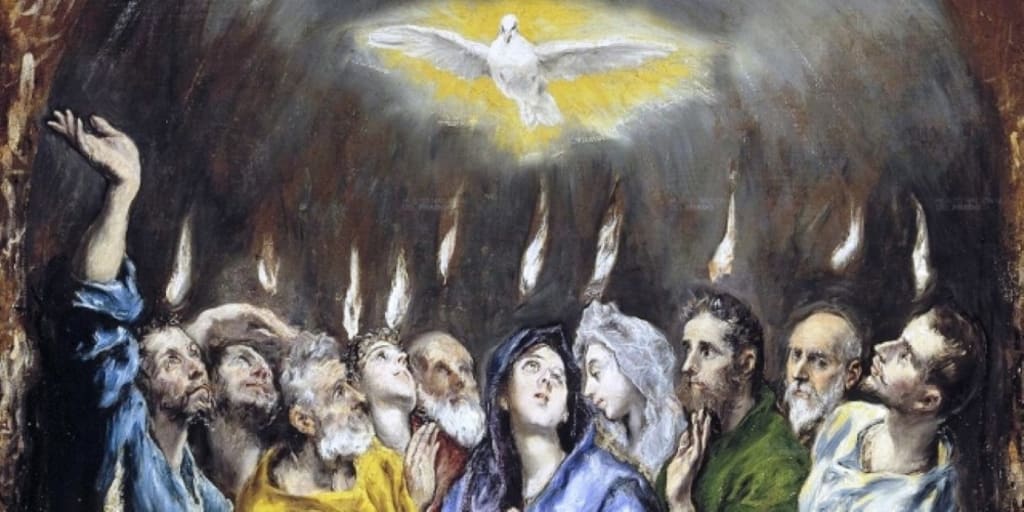
Title: Who is Holy Spirit - Spirit of the living God ( Personality of God)
The concept of the Holy Spirit has been a significant aspect of various religious beliefs and faiths throughout history. In Christianity, the Holy Spirit is considered as the third person of the Trinity, alongside God the Father and Jesus Christ the Son. The Holy Spirit is often described as the Paraclete, the Comforter, or the Advocate. In this blog, we will explore the nature, role, and significance of the Holy Spirit in Christian theology.
The Holy Spirit is generally understood as the presence of God in the world today. According to Christian belief, the Holy Spirit is not merely a force or power, but a divine person with a distinct personality and attributes. The Holy Spirit is believed as spirit of the living God theFather. The Holy Spirit is considered to be the love and power of God at work in the world, guiding, empowering, and transforming the lives of believers.
The nature of the Holy Spirit is described in various ways in the Bible, the sacred text of Christianity. In the Old Testament, the Holy Spirit is portrayed as the breath or wind of God, bringing life and renewal to all creation. The Holy Spirit is also depicted as the source of wisdom, strength, and prophecy, empowering individuals for service to God's purposes. In the New Testament, the Holy Spirit is revealed as the fulfillment of God's promise to send a helper or advocate to Jesus' followers after his ascension to heaven.
The role of the Holy Spirit in Christian theology is multi-faceted and profound. The Holy Spirit is believed to be active in the creation, redemption, and sanctification of the world. Let's explore some of the key roles attributed to the Holy Spirit:
Conviction and Conversion: The Holy Spirit is believed to convict people of their need for salvation and lead them to faith in Jesus Christ. The Holy Spirit convicts individuals of their sinfulness, guides them to repentance, and draws them to God's grace. The Holy Spirit is considered the one who regenerates and transforms believers, enabling them to experience new birth and become new creations in Christ.
Guidance and Illumination: The Holy Spirit is believed to guide believers in their spiritual journey and illuminate their minds with divine truth. The Holy Spirit is seen as the one who helps believers discern God's will, understand Scripture, and make wise decisions. The Holy Spirit is considered the source of wisdom, revelation, and insight, helping believers grow in their relationship with God and navigate life's challenges.
Empowerment and Gifts: The Holy Spirit is believed to empower believers with spiritual gifts and enable them to serve God and others. The Holy Spirit is considered the source of diverse gifts such as prophecy, healing, speaking in tongues, teaching, and administration, among others. These gifts are seen as manifestations of the Holy Spirit's presence and work in the lives of believers, equipping them for ministry and building up the body of Christ.
Community and Unity: The Holy Spirit is believed to create and sustain Christian community, fostering love, unity, and fellowship among believers. The Holy Spirit is considered the one who unites believers with God and with one another, transcending differences of nationality, culture, and background. The Holy Spirit is seen as the bond of peace, promoting harmony, cooperation, and mutual care among God's people.
Sanctification and Holiness: The Holy Spirit is believed to sanctify believers, setting them apart for God's service and conforming them to the image of Christ. The Holy Spirit is considered the one who purifies believers' hearts, empowers them to resist sin, and produces the fruit of the Spirit in their lives, such as love, joy,
The Holy Spirit is a central figure in Christian theology and belief. the Holy Spirit is seen as a divine entity who plays a unique role in the Christian faith. In this blog, we will explore the concept of the Holy Spirit, its significance in Christianity, and its various roles and attributes.
The Holy Spirit is generally understood to be one of the three persons of the Christian Trinity, along with God the Father and God the Son (Jesus Christ). The doctrine of the Trinity holds that these three persons are distinct but inseparable, and together they form the one Godhead. The Holy Spirit is often described as the "breath" or the "wind" of God, and is believed to proceed from both the Father and the Son.
The origins of the belief in the Holy Spirit can be traced back to the Bible, which is considered the holy scripture of Christianity. In the Old Testament, the Holy Spirit is described as the presence of God that empowers and inspires prophets, leaders, and individuals to carry out God's will. In the New Testament, the Holy Spirit is closely associated with the ministry of Jesus Christ and is believed to have been promised by Jesus to his disciples as a helper and guide after his departure.
One of the key roles of the Holy Spirit in Christianity is that of empowerment and transformation. The Holy Spirit is believed to indwell in believers, empowering them with spiritual gifts such as wisdom, knowledge, faith, healing, prophecy, and speaking in tongues. These gifts are seen as manifestations of the Holy Spirit's work in the lives of individuals and the Christian community. The Holy Spirit is also believed to transform the lives of believers, helping them grow in character, holiness, and maturity, and producing the fruits of the Spirit, such as love, joy, peace, patience, kindness, goodness, faithfulness, gentleness, and self-control.
Another important aspect of the Holy Spirit's role in Christianity is that of guidance and illumination. The Holy Spirit is believed to guide believers in discerning God's will, providing wisdom, insight, and understanding. The Holy Spirit is also believed to illuminate the Scriptures, helping believers interpret and apply the teachings of the Bible to their lives. This aspect of the Holy Spirit's work is often seen as essential for the spiritual growth and maturity of believers, as it helps them deepen their relationship with God and develop a godly lifestyle.
In addition to these roles, the Holy Spirit is also believed to be actively at work in the world, convicting the world of sin, righteousness, and judgment, and drawing people to God's salvation. The Holy Spirit is seen as the one who brings about transformation and renewal in society.
Functions of Holy spirit:
In John 16:13, a verse from the Christian Bible, Jesus is speaking to his disciples about the role and function of the Holy Spirit. The verse is part of Jesus' farewell discourse to his disciples, where he is preparing them for his departure and promising them the coming of the Holy Spirit. The verse reads as follows in the New International Version (NIV):
"But when he, the Spirit of truth, comes, he will guide you into all the truth. He will not speak on his own; he will speak only what he hears, and he will tell you what is yet to come."
In this verse, Jesus is explaining to his disciples that the Holy Spirit, whom he refers to as the "Spirit of truth," will have a specific function in their lives after Jesus' departure. Let's explore the different aspects of the Holy Spirit's function as mentioned in this verse:
Guidance: Jesus states that the Holy Spirit will "guide you into all the truth." The Holy Spirit is believed to be the one who leads believers into a deeper understanding of God's truth, including the teachings of Jesus and the mysteries of God's will. The Holy Spirit is considered the source of divine wisdom and insight, helping believers discern right from wrong, guiding them in their decisions, and illuminating their minds with God's revelation.
Source of Revelation: Jesus further explains that the Holy Spirit "will not speak on his own; he will speak only what he hears." This indicates that the Holy Spirit will relay messages and insights directly from God. The Holy Spirit is believed to be the source of divine revelation, conveying God's truth and will to believers. The Holy Spirit is considered the one who makes God's voice and presence known to believers, guiding them in their spiritual journey.
Prophetic Insight: Jesus also mentions that the Holy Spirit will "tell you what is yet to come." This suggests that the Holy Spirit will provide prophetic insight and reveal future events to believers. The Holy Spirit is believed to have the ability to foretell events and give believers a glimpse of what is to come, helping them prepare for the future and navigate through life's uncertainties.
It's important to note that different Christian denominations may interpret and emphasize the function of the Holy Spirit in slightly different ways, based on their theological perspectives and traditions. However, in general, John 16:13 highlights the Holy Spirit's role as a guide, a source of revelation, and a provider of prophetic insight for believers. The Holy Spirit is seen as the one who empowers and equips believers with divine wisdom and guidance, helping them grow in their relationship with God and live out their faith in accordance with God's will.
Here are some common symbols of the Holy Spirit:
Dove: The dove is one of the most common symbols of the Holy Spirit in Christian art and iconography. It is often depicted as a white dove with outstretched wings, representing purity, peace, and gentleness. The dove is also associated with the story of Jesus' baptism, where the Holy Spirit descended upon Jesus in the form of a dove, as described in the Bible (Matthew 3:16, Mark 1:10, Luke 3:22, John 1:32).
Fire: Fire is another powerful symbol of the Holy Spirit, representing the purifying and refining work of the Spirit. In the Bible, the Holy Spirit is often associated with fire, such as the story of Pentecost in the New Testament, where the Holy Spirit descended upon the disciples in the form of tongues of fire (Acts 2:1-4). Fire also symbolizes the passion, zeal, and transformative power of the Holy Spirit in the lives of believers.
Wind or Breath: Wind or breath is often used as a symbol of the Holy Spirit, representing its invisible yet powerful presence and movement. In the Bible, the Holy Spirit is likened to a mighty rushing wind (Acts 2:2), and Jesus used the metaphor of wind to describe the mysterious and unpredictable nature of the Holy Spirit (John 3:8). Wind and breath also symbolize the life-giving and life-sustaining work of the Holy Spirit, as it breathes new life into believers and empowers them for service.
Water: Water is another symbol of the Holy Spirit, representing its purifying, cleansing, and life-giving properties. In the Bible, Jesus likened the work of the Holy Spirit to living water that quenches the thirst of the soul and brings new life (John 4:10-14, John 7:37-39). Water also symbolizes the regeneration and renewal that the Holy Spirit brings to believers, washing away sins and bringing about spiritual rebirth.
Oil: Oil is a symbol of the Holy Spirit's anointing and empowerment. In the Bible, anointing with oil was a common practice to consecrate and set apart individuals for special service to God. The Holy Spirit is often referred to as the "oil of gladness" (Hebrews 1:9), symbolizing its role in equipping and empowering believers for God's service.
Cloud: Cloud is another symbol of the Holy Spirit, representing its mysterious, unseen, and transcendent nature. In the Bible, the Holy Spirit is often associated with clouds, such as the cloud that led the Israelites in the wilderness (Exodus 13:21) and the cloud that enveloped Jesus during the Transfiguration (Matthew 17:5). Cloud also symbolizes the glory, majesty, and divine presence of the Holy Spirit.
About the Creator
Keep reading
More stories from Ehsan Masih and writers in Education and other communities.
The Last Supper & Passover
The Last Supper of Christ and the Passover are two interconnected events in Christian theology that hold significant religious and historical significance. The Last Supper, as described in the New Testament of the Christian Bible, was the final meal that Jesus shared with his disciples before his crucifixion, and the Passover was a Jewish festival that commemorated the liberation of the Israelites from slavery in ancient Egypt. The Last Supper took place during the celebration of the Passover, and Jesus' actions and words during this meal are understood to have profound theological and symbolic meaning.
By Ehsan Masih3 years ago in Education
Think Before You Build: How to Test a Business Idea the Smart Way
Launching a business without validation is like setting sail without checking the weather. You may feel confident at the start, but unseen risks can quickly turn excitement into regret. Many entrepreneurs lose time and money not because they lack skill or effort, but because they skipped the crucial step of validating their idea before committing fully.
By Rushi Manche6 days ago in Education
Guide to Canada's Six Essential Learning Skills for Students
Written by Kiki Devano In Canada, there are the six essential skills that are encouraged for students to develop. These learning skills have a formidable impact on student learning and will help them achieve further success. This is a guide to aid students in successfully developing the essential skills.
By Kiki Devano3 days ago in Education


Comments
There are no comments for this story
Be the first to respond and start the conversation.