
Wheels of Freedom: The Timeless Journey of the Bicycle
From humble beginnings to a global symbol of movement, health, and independence — the bicycle continues to shape lives across generations.

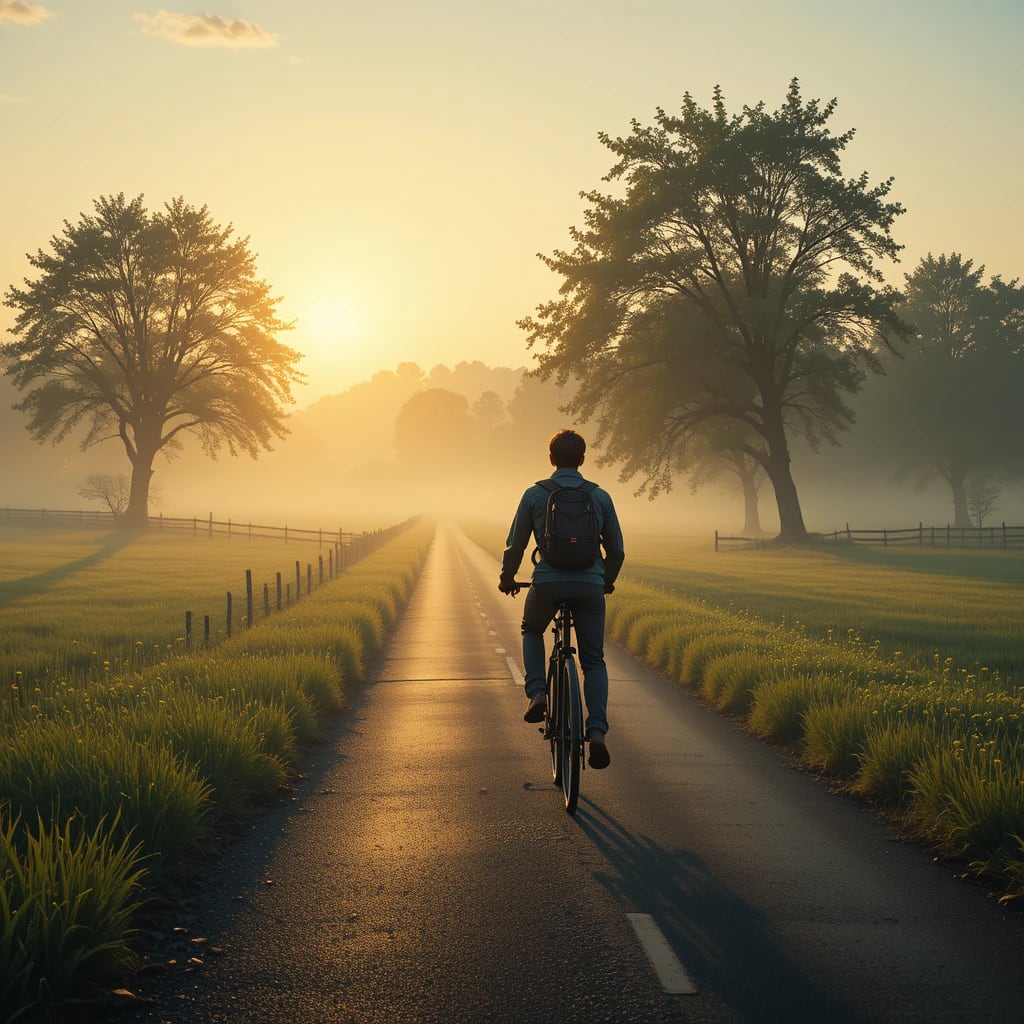
There are few inventions in history as simple, elegant, and enduring as the bicycle. With just two wheels, a frame, pedals, and a handlebar, this humble machine has rolled its way into almost every corner of the world — and every corner of the human experience.
The bicycle is not just a vehicle. It is a tool of freedom, a symbol of independence, a gateway to childhood, and, for many, a lifeline to school, work, or adventure.
The Birth of the Bicycle
The idea of the bicycle can be traced back to 1817, when a German baron, Karl von Drais, invented the “Laufmaschine” or “running machine.” It had no pedals and was pushed along with the feet — a sort of walking aid on wheels.
Then came innovations:
Pedals in the 1860s.
Chain drives in the 1880s.
Rubber tires, gears, and brakes that gradually transformed it into the modern bicycle we recognize today.
By the late 19th century, bicycles had exploded in popularity, especially in Europe and America. They were affordable, easy to maintain, and gave individuals — especially women — a new sense of freedom and mobility.
A Ride Through History
The bicycle has played surprising roles in history:
During wars, bicycles were used by messengers and soldiers for quiet, fast travel.
In the early 20th century, they became a means of protest and equality, especially in women’s rights movements.
In developing countries, bicycles became the bridge to opportunity — taking children to school, farmers to markets, and healthcare workers to villages.
A Machine of Simplicity and Power
What makes the bicycle so powerful is its simplicity.
Unlike cars or trains, it doesn’t need fuel, doesn’t create noise, and doesn't pollute. It is powered by the rider alone, converting human energy into motion with almost magical efficiency.
Bicycles come in many types:
Road bikes for speed and racing.
Mountain bikes for off-road adventure.
Hybrid bikes for city commuting.
Electric bikes (e-bikes) for longer, assisted journeys.
Cargo bikes for carrying goods or children.
No matter the type, every bicycle is a declaration: "I move myself."
More Than Just Transport
Ask anyone who’s ridden a bike, and they’ll tell you — it’s not just about going from one place to another.
It’s about the feeling of the wind on your face, the freedom of an open road, the childhood memory of your first solo ride, wobbly and proud.
Cycling builds fitness, strengthens mental health, and reduces carbon footprints. It’s a personal act that benefits the whole planet.
Bicycles in Modern Life
In crowded cities, where traffic chokes and pollution soars, bicycles are becoming the smartest solution.
Cities like Amsterdam, Copenhagen, and Tokyo have built entire infrastructures around bicycles — with dedicated lanes, parking zones, and even traffic lights for cyclists.
Post-pandemic, people across the world turned to bicycles again — for safe transport, exercise, and peace of mind.
The Bicycle as Culture and Art
Over time, bicycles have become more than machines — they are icons of culture.
In movies like E.T. and The Bicycle Thieves, they carry meaning beyond motion.
In sports, cycling is a global spectacle — from the Tour de France to Olympic races.
In art, music, and even fashion, bicycles continue to inspire.
They're painted on walls, sung about in folk songs, and remembered as the first taste of independence for millions.
Faces Behind the Handlebars
Every cyclist has a story.
A student racing the clock to make it to school. A delivery worker weaving through city traffic. A traveler exploring mountain trails. A mother taking her child on a scenic ride. A boy learning balance and bravery all at once.
The bicycle is democratic — it belongs to no class, no race, no age group. It is one of the few machines that levels the road for everyone.
The Future Rolls Forward
With climate change concerns and urban congestion, the future of transport must be clean, compact, and efficient — exactly what bicycles offer.
Innovations in cycling technology include:
E-bikes with smart sensors and GPS.
Foldable bikes for small apartments.
Solar-powered bike lanes and charging stations.
Bike-sharing programs in major cities.
The bicycle may be old, but it’s more relevant today than ever.
---
Conclusion
The bicycle, in all its quiet glory, reminds us that sometimes, the best way forward is not faster or fancier — it’s simpler. It connects us with our environment, with our health, and with our younger selves.
In a world spinning ever faster, the bicycle lets us pause, pedal, and truly experience the ride.
About the Creator
Noman Afridi
I’m Noman Afridi — welcome, all friends! I write horror & thought-provoking stories: mysteries of the unseen, real reflections, and emotional truths. With sincerity in every word. InshaAllah.
Keep reading
More stories from Noman Afridi and writers in Education and other communities.
Steel on Tracks: The Everlasting Journey of Trains
When the world was slower, quieter, and smaller, a deep whistle broke the silence — and everything changed. That whistle belonged to a train, and it signaled the beginning of a journey not just for passengers, but for humanity itself.
By Noman Afridi8 months ago in Education
Competitive Distance Running Excellence Built on Repeated High Race Placements
Competitive distance running rewards athletes who can perform well again and again. One strong finish is impressive, but multiple high placements in recent races show true consistency. These results point to smart training, clear focus, and the ability to manage pressure over time. This article explores how competitive distance running athletes achieve repeated success, why high placements matter, and what helps runners stay near the front of the field.
By Daniel Podor4 days ago in Education


Comments
There are no comments for this story
Be the first to respond and start the conversation.