
WHAT YOU EAT AND IT'S EFFECT ON YOUR BRAIN
The Brain's Activities
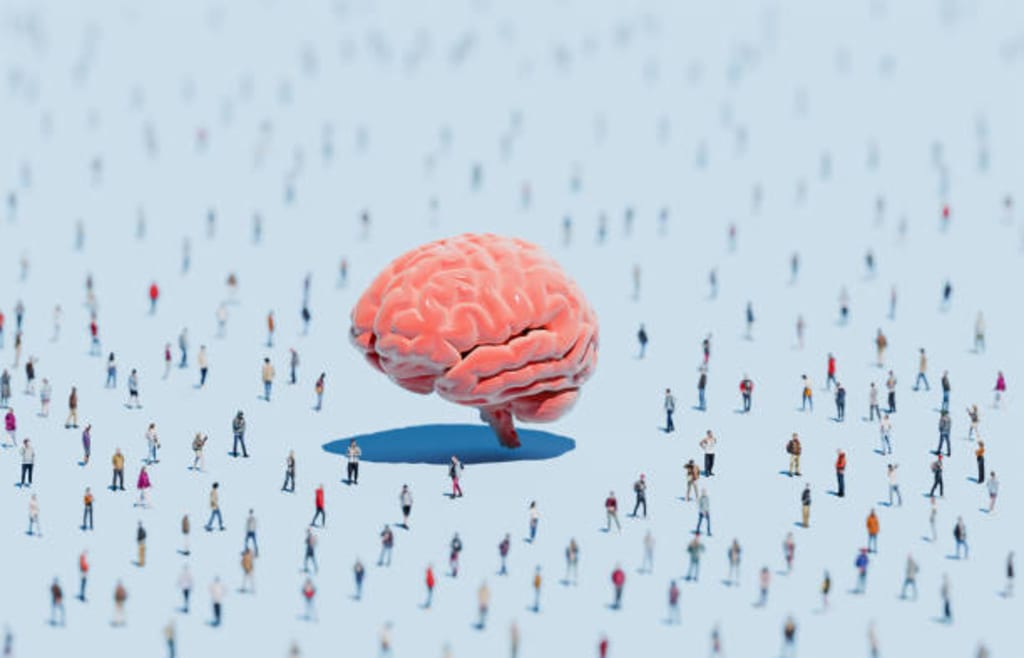
If you could break your brain down into its nutritional components, it would be interesting! Most of the weight would come from fats, called lipids. You would also find proteins and amino acids, along with some micronutrients and glucose. Each part contributes to how your brain functions and our mood. That sleepy feeling after lunch or alertness at night? It could just be the food affecting your brain!
The best fats for your brain are omega-3 and omega-6 fatty acids. These essential fats can help prevent brain issues, and we must get them from our diets. Eating foods rich in omega, like nuts, seeds, and fatty fish, is super important for healthy cell membranes. However, watch out for trans and saturated fats, as they can harm brain health over time.
Proteins and amino acids are vital for growth and development too! They influence how we feel and act. Amino acids help create neurotransmitters, which are like little messengers in our brains. They send signals between neurons and can affect our mood, sleep, focus, and even weight. So, it’s no surprise we might feel relaxed after a big plate of pasta or energized after a protein-packed meal!
Food plays a key role in our brain health. It stimulates brain cells to release happy chemicals like norepinephrine, dopamine, and serotonin. However, amino acids need to compete for access to brain cells. Eating a variety of foods can help maintain a healthy mix of brain messengers. This keeps your mood balanced and bright!
Our brains, like other organs, thrive on micronutrients. Antioxidants found in fruits and vegetables are fantastic! They help protect our brains from free radicals. This support keeps our brains functioning well for longer. Vitamins B6, B12, and folic acid are also essential. Without these, our brains might struggle against disease and decline.
Minerals like iron, copper, zinc, and sodium are important too! They promote brain health and enhance cognitive development. The brain needs fuel to work efficiently, and it needs plenty of it. Although the human brain is about 2% of our body weight, it requires up to 20% of our energy! Most of this energy comes from carbohydrates, which our bodies turn into glucose.
The frontal lobes are sensitive to drops in glucose. When mental function changes, it can signal a nutrient deficiency. Assuming we consume glucose regularly, how do the types of carbohydrates we choose affect our brains?
Carbs come in three forms: starch, sugar, and fiber.
Pure starch is a fun, white powder! It has no taste or smell and doesn’t dissolve in cold water or alcohol. Starch has two types of molecules: amylose and amylopectin. Depending on the plant, it usually has 20 to 25% amylose and 75 to 80% amylopectin.
Sugar? It’s all about the calories! It doesn’t provide significant vitamins, minerals, fiber, or protein. A teaspoon of sugar contains about 16 calories and 4 grams of carbohydrates. But it has no fat, protein, or fiber, so we call it "empty calories."
Fiber is a fantastic carbohydrate found in plants! It doesn’t have any calories or macronutrients, but it helps with digestion. Fiber's indigestible nature is super beneficial. It helps keep things moving in your digestive system, manages blood sugar levels, and makes you feel full. What a great addition to a balanced diet!
They are often grouped together on nutrition labels. However, the sugar and fiber ratios can impact how our bodies and brains respond. High glycemic foods, like white bread, can cause a rapid spike in glucose. Then comes the dip, which can affect our mood and attention span.
On the flip side, oats, grains, and legumes offer a slow, steady glucose release. This helps keep our focus sharp and attentive! For sustained brain power, a varied diet of nutrient-rich foods is key.
Your food choices have a delightful and lasting impact on your amazing brain. So, let’s celebrate eating well!
About the Creator
Keep reading
More stories from King Nathan and writers in Education and other communities.
SLEEPING WELL: WHY IT IS SO IMPORTANT!
In 1965, Randy Gardner, a 17-year-old high school student, embarked on an intriguing experiment. He stayed awake for 264 hours, which is 11 days! He wanted to see how he would cope without sleep. On the second day, his eyes started to lose focus. Soon after, he struggled to identify objects by touch. By day three, he became a bit moody and uncoordinated.
By King Nathan12 months ago in Education
Is the Universe Deterministic or Free? Exploring Fate, Free Will, and the Laws of Physics
What Is Determinism? Determinism is the idea that every event is the inevitable result of preceding causes. If you knew the exact state of the universe at one moment — including the position and momentum of every particle — you could, in principle, predict the entire future.
By shahkar jalal4 days ago in Education
Why Pharmaceuticals Are Central to Germany’s Healthcare Leadership?
Germany Pharmaceutical and Its Strategic Importance Germany is known for its modern healthcare system, its scientific research, and its advanced manufacturing. The pharmaceutical industry is one of Germany's most important economic sectors and is one of the foundations of improving patient outcomes and making medicine more efficient and accessible to the general population.
By deepanshu Thakur4 days ago in Education




Comments
There are no comments for this story
Be the first to respond and start the conversation.