
Why Pharmaceuticals Are Central to Germany’s Healthcare Leadership?
The Continuous Advancement of Research, Innovation, and Patient Care

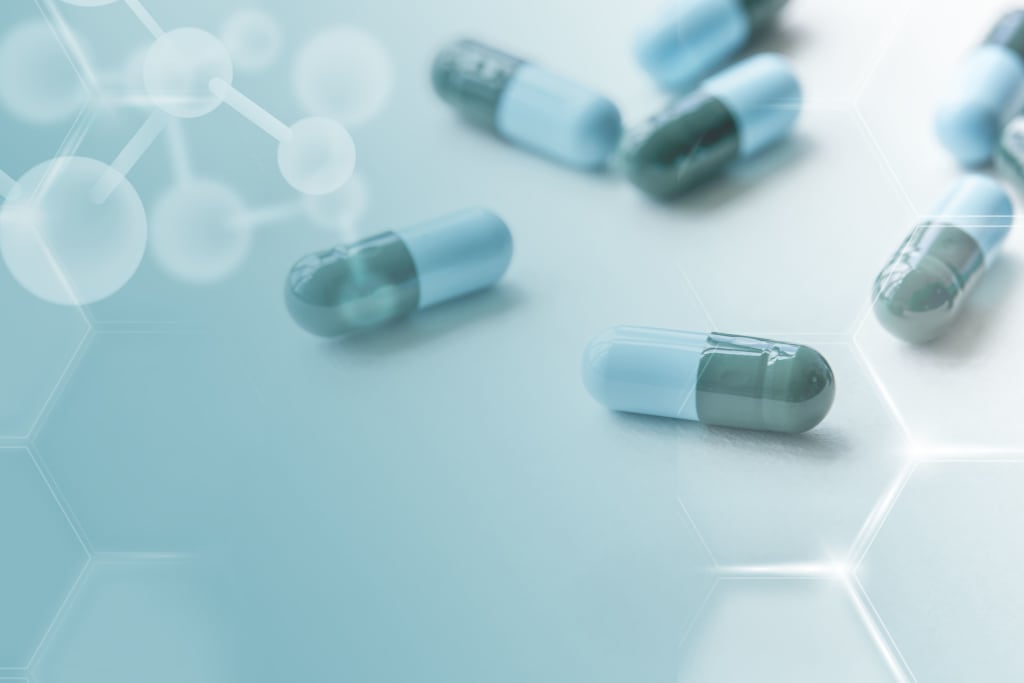
Germany Pharmaceutical and Its Strategic Importance
Germany is known for its modern healthcare system, its scientific research, and its advanced manufacturing. The pharmaceutical industry is one of Germany's most important economic sectors and is one of the foundations of improving patient outcomes and making medicine more efficient and accessible to the general population.
Pharmaceutical research and development, as well as the manufacture and supply of medicines are important sectors of the German Pharmaceutical Industry. With an increasingly aging population and rise of chronic diseases, the importance of these sectors is rising. Pharmacotherapy now focuses on prevention, precision medicine, and improving quality of life instead of just treating the disease.
Understanding What Pharmaceutical Operations Really Involve
Drug discovery and approval is a multistage process involving research, clinical development, regulatory review, pharmaceutical manufacturing and distribution. Research scientists discover active ingredients that can be developed into a safe and effective medicine, and assure quality throughout the manufacturing process.
Germany's highly developed system of scientific research and the close integration between research institutions and private enterprise, turn Germany into a present for medical engineering, biotechnology and the production of high-tech chemicals.
Key Factors Driving Pharmaceutical Development in Germany
One of the key drivers is the constant investment in R&D by Germany in science not just for the discovery of new drugs but improving existing drugs.
The population's demand for healthcare, combined with an aging population and the increase in chronic disease, guarantee a continuing requirement for medical and social care.
Exports benefit the sector: German pharmaceuticals are internationally acknowledged as quality and reliable products and thus provide an important basis for cooperation and international trade.
The Role of Innovation and Technology
Innovation remains the backbone of the pharmaceutical industry in Germany, with ideas such as biotechnology, genomics and digital health fostering more personalized and precise solutions.
Automation in manufacturing and smart manufacturing systems can increase efficiency and safety. Data analytics and artificial intelligence are increasingly used to improve research times and clinical outcomes.
Digital platforms also ease communication between healthcare providers, researchers, and patients, who work within the treatment ecosystem.
Changing Healthcare and Patient Expectations
The growing expectations of patients for effective, convenient and personalized therapeutic and diagnostic options have led to increased interest in personalized medicine, and a greater focus on early diagnosis and prevention.
There is a trend in medicine toward combining pharmacological treatment with digital monitoring and support. Public knowledge of health issues has led to greater self-management and proactivity in medical solutions.
These changing expectations shift how the pharmaceutical industry designs and delivers value for offerings.
Benefits and Economic Contributions
The pharmaceutical sector provides numerous advantages for Germany:
• Improved Patient Outcomes: Access to advanced therapies enhances quality of life.
• Scientific Leadership: Research excellence drives global recognition.
• Employment Creation: Supports highly skilled jobs in science and manufacturing.
• Export Strength: Reinforces international competitiveness.
• Innovation Ecosystem: Encourages collaboration between academia and industry.
These benefits position pharmaceuticals as a cornerstone of national development.
Regional Expansion and Collaboration
The pharmaceutical industry is distributed in several innovation clusters in Germany, where universities, startups, and established manufacturers work together to transfer knowledge and develop breakthrough discoveries.
International partnerships are also important as platforms for global health advancement and to ensure a reliable supply chain through strong logistics and regulatory systems.
Challenges Facing the Pharmaceutical Sector
In addition, manufacturing and testing products to such standards presents considerable challenges, including important regulatory demands for compliance, wide-ranging documentation requirements, expensive, time-consuming research, and no guarantee of results.
A need for lower pricing and healthcare spending constraints requires a focus on affordability and innovation, a resilient supply chain, and raw materials availability.
Addressing these issues requires careful planning and investment.
Future Outlook of Pharmaceuticals in Germany
The future of medicine in Germany will be determined by precision medicine, digitalization, and faster research cycles. New therapies such as cell and gene therapies are expected to redefine disease treatment in the future.
Sustainability will make a greater impact on how products are created and packaged. The strengths of science and cooperation will be important in securing Germany's position as an innovator in global healthcare.
Conclusion
Germany is a strong and competitive health care and pharma market and an important asset for the German economy. World class research, manufacturing and regulators continue to deliver innovation for patients.
The German pharmaceutical industry, with its strong technological base and experience in targeted treatments, is thus well positioned for the future and will continue to play a leading global role.
About the Creator
deepanshu Thakur
A dedicated Market Research Professional specializing in in-depth analysis, industry forecasting, and strategic insights. Known for precision, reliability, and delivering research that adds real business value.
Keep reading
More stories from deepanshu Thakur and writers in Education and other communities.
Why Organic Food Is Reshaping Europe’s Eating Habits
Europe Organic Food and Its Growing Importance Food preferences across Europe are changing as consumers become more aware of health, environmental responsibility, and ethical sourcing. Among the most important developments in recent years is the increasing demand for organic food. What was once considered a niche lifestyle choice is now a mainstream priority for families, retailers, and food service providers throughout the region.
By deepanshu Thakurabout an hour ago in Education
The Open Road 2.0: Inside Spain USD 1.76 Billion Car Rental Revolution (2026-2034)
Spain is often synonymous with sun, sand, and historic architecture. But in 2026, the real story of Spanish tourism is being written on its highways. The car rental landscape, once a traditional industry defined by paper contracts and long airport queues, is undergoing a high-octane transformation. Fueled by a record-breaking influx of international travelers and a national mandate for green mobility, the sector is moving toward a future that is digital, electric, and highly personalized.
By Neeraj kumar3 days ago in Education
Budget Constraints and Developmental Harm
Timotheus Homas Abstract This article examines the tension between budgetary limitations and developmental protection in education law. Drawing on Timotheus Homas’ critique of fiscal justifications for exclusion, the paper argues that financial constraints cannot excuse predictable developmental harm. Integrating mental health and early childhood research, the article reframes budget decisions as legally consequential acts with long-term developmental implications.
By Emma Wegenast5 days ago in Education




Comments
There are no comments for this story
Be the first to respond and start the conversation.