
What the Hell Happened to NFTs?
Exploring the Rise, Fall, and Future of Non-Fungible Tokens


In the realm of technology and cryptocurrency, few phenomena have captured attention and sparked both excitement and skepticism, like Non-Fungible Tokens (NFTs). These unique digital assets exploded onto the scene, promising to revolutionize ownership, provenance, and the value of digital content. However, the journey of NFTs has been a roller coaster ride, marked by a meteoric rise and subsequent decline. This article will delve into the sudden ascent, the subsequent challenges, and what the future holds for NFTs.
The Rise of NFTs:
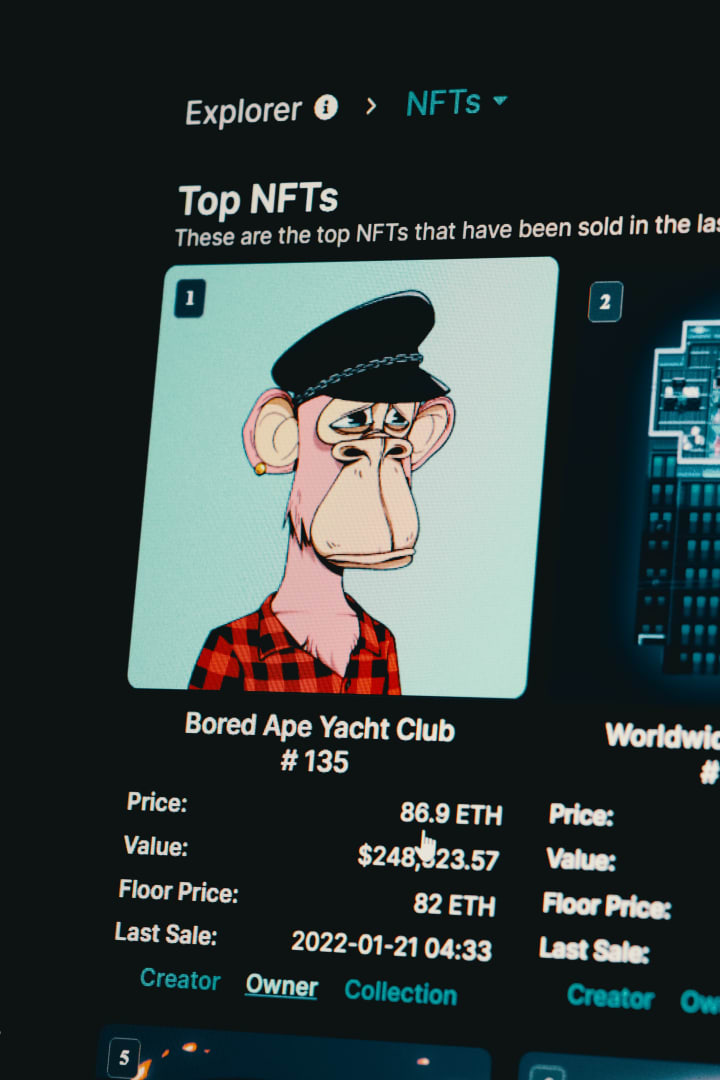
NFTs burst into popular consciousness in early 2021, captivating the world with their ability to authenticate and establish ownership of digital assets using blockchain technology. Suddenly, artists, musicians, and content creators saw an opportunity to monetize their work in new and innovative ways. People began snatching up digital art, virtual real estate, and even tweets as unique digital assets, often selling for exorbitant prices. The allure of exclusivity and scarcity drove the market, with headlines boasting jaw-dropping sales and fervent interest from collectors and investors alike.
The Challenges and Decline:

However, as with any new frontier, challenges emerged, casting a shadow on the NFT ecosystem. One of the primary concerns was the environmental impact of blockchain networks, particularly Ethereum, which hosts a significant portion of NFT transactions. Critics argued that the energy consumption associated with minting and trading NFTs was unsustainable, leading to a clash between digital innovation and ecological responsibility.
Another challenge was the saturation of the market with low-quality and copycat NFTs. The hype around NFTs attracted opportunists looking to capitalize on the trend, flooding the market with hastily created and derivative digital assets. This influx diluted the value of genuine creations and raised questions about the long-term viability of the NFT space.
The Future of NFTs:
While the initial fervor around NFTs has waned, these digital assets' underlying technology and potential remain intriguing. Looking ahead, several factors could shape the future of NFTs:
- Evolution of Sustainability: Innovations are already underway to address the environmental concerns associated with NFTs. Ethereum, for example, has plans to transition from a proof-of-work to a proof-of-stake consensus mechanism, significantly reducing energy consumption.
- Enhanced Accessibility and Usability: Efforts are being made to make NFTs more accessible to creators and consumers, with platforms simplifying the minting and trading processes. User-friendly marketplaces and tools will likely emerge, broadening participation and stimulating adoption.
- Integration with Real-World Assets: NFTs have the potential to extend beyond digital art and virtual assets. Real-world assets such as real estate, collectibles, and intellectual property could be tokenized, enabling fractional ownership and simplifying the transfer of ownership.
- Utility and Interoperability: NFTs can be combined with smart contracts to unlock a new level of functionality. Imagine a concert ticket NFT that grants access to exclusive backstage content or a gaming NFT that unlocks special in-game rewards. Integrating NFTs with other blockchain applications will drive their utility and appeal.
The sudden rise and subsequent decline of NFTs serve as a reminder of the volatile nature of emerging technologies. Despite the challenges faced, the underlying potential of NFTs remains significant. As the industry matures, the focus on sustainability, quality, and utility will be crucial for the long-term success of NFTs. Whether NFTs become a mainstream part of the digital economy or evolve into a niche market, their impact on technology, ownership, and the creative landscape cannot be denied. As technology and crypto enthusiasts, we must stay informed, critically evaluate the developments, and participate responsibly in the NFT ecosystem.
The future of NFTs lies in striking a balance between innovation, sustainability, and authenticity. As the industry evolves, we may witness a more mature and regulated marketplace that fosters trust and protects the rights of creators and collectors. Collaboration between artists, platforms, and the wider crypto community will be vital in shaping a sustainable and inclusive future for NFTs.
So, what the hell happened to NFTs? They experienced a whirlwind journey, capturing attention, challenging norms, and sparking debates. While the initial hype may have subsided, the story of NFTs is far from over. With continued advancements, increased accessibility, and a focus on environmental responsibility, NFTs have the potential to reshape the digital landscape and revolutionize the way we perceive and value digital assets.
Whether you're a skeptic or an enthusiast, the rise and fall of NFTs serve as a testament to the ever-changing nature of technology and the need to adapt and navigate this ever-evolving digital frontier. As we look ahead, let us embrace the lessons learned and explore the potential of NFTs with an open mind, keeping an eye on the possibilities that lie beyond the present and embracing the transformative power of this groundbreaking technology.
About the Creator
Keep reading
More stories from writers in Education and other communities.
Community Engagement as the Engine of Worldwide Sustainability
Sustainable global transformation is often seen as the result of high-level policies, international agreements, and technological breakthroughs. While these elements are essential, true and lasting transformation begins at the community level. Engaged communities play a pivotal role in shaping environmental, economic, and social progress by taking ownership of local challenges and contributing practical solutions. Their actions create momentum that spreads outward, influencing regional policies, national strategies, and global goals. Understanding how engaged communities drive sustainable global transformation reveals that long-term progress is built from the ground up, powered by people who are committed, informed, and united.
By Convoy of Hope3 days ago in Education
Charting Your Own Path: Building a Self-Directed Trading Career Without External Interference
Creating a self-directed trading career offers traders the freedom to make independent decisions, implement personalized strategies, and manage risk in line with their goals. Unlike traders tied to institutional mandates or client obligations, self-directed professionals can focus entirely on performance, analysis, and strategy development. This autonomy enables faster decision-making, adaptation to evolving market conditions, and the cultivation of a trading style aligned with personal strengths. Building a career free from external interference is not only empowering but also increases the likelihood of long-term success.
By Agast Mishra3 days ago in Education


Comments
There are no comments for this story
Be the first to respond and start the conversation.