
What role does self-care play in mental health, and how can individuals build sustainable self-care routines?
self-care play in mental health
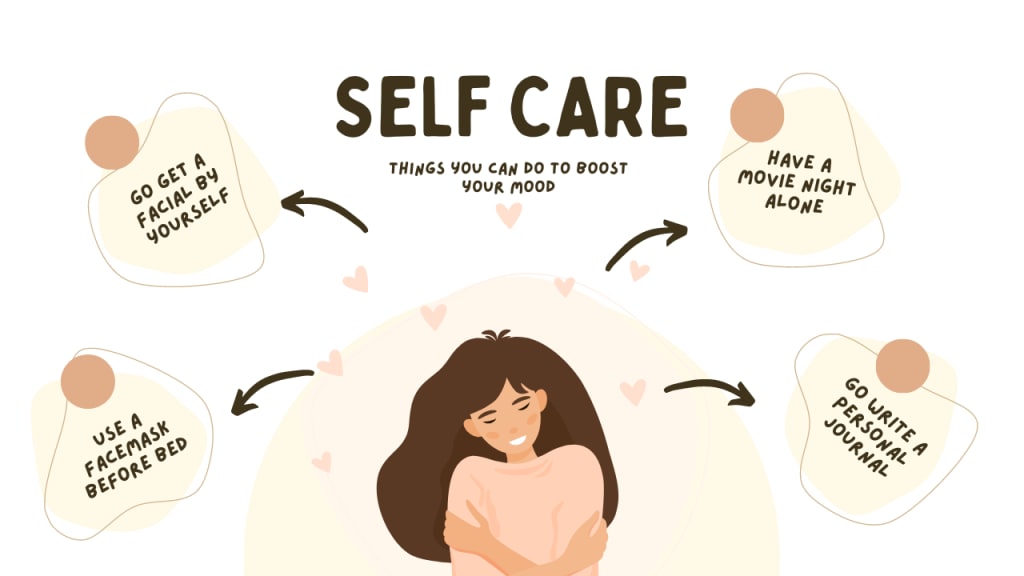
In a fast-paced, high-pressure contemporary world, self-care is not a nicety, but a necessity. While it's too commonly confused as excess or superficiality of wellness culture, self-care is integral to the maintenance and preservation of mental health. It's the active measures we take in order to maintain our mental, emotional, and physical well-being.
For an individual experiencing stress, anxiety, depression, burnout, or other mental illness, self-care is not just a good idea, but a necessity. However, building a sustainable self-care habit requires knowledge, intention, and customization. This answer considers what self-care really entails, why it works for mental health, and how to integrate it into daily routines as a habitual and purposeful practice.
Understanding Self-Care: More Than a Buzzword
Self-care involves any activity that nurtures your mental, physical, and emotional health. It’s about recognizing your needs and taking proactive steps to meet them. Contrary to popular media portrayals, it isn’t limited to bubble baths, spa days, or retail therapy—though those can be helpful, too.
True self-care may involve:
Setting healthy boundaries
Practicing mindfulness or meditation
Getting adequate sleep
Seeking therapy
Spending time in nature
Engaging in creative expression
Taking breaks from toxic environments or social media
Self-care is extremely individual. What recharges one person will drain another. The biggest thing is paying attention to yourself and choosing practices that create a sense of grounding, energy, and safety for you.
Why Self-Care Matters to Mental Health
Self-care strengthens the mind-body connection and watered-down the effects of chronic stress. The following are some reasons that self-care works directly on mental health:
1. Reduces Stress and Anxiety
Chronic stress is a major risk factor for mental illness. Regular self-care activates the parasympathetic nervous system, calming the body and lowering cortisol levels. Techniques like deep breathing, yoga, journaling, and mindful walking have an instant effect to calm the body into relaxation.
2. Prevents Burnout
Burnout is not just an occupational issue—its a mental disorder. Due to work, care-giving, parenting, or cultural expectations, burnout results in emotional exhaustion and cynicism. Self-care habits build up resilience so that individuals recharge before reaching the breaking point.
3. Increases Self-Esteem and Self-Worth
When you put your well-being first, you are declaring that you deserve kindness and care. This is especially healing to those who have depression, trauma histories, or low self-worth. These little moments of self-love naturally change the negative ideas about themselves.
4. Encourages Emotional Management
Everyday self-care improves emotional regulation and awareness. Journaling, therapy, or art allow you to process overwhelming feelings, rather than suppressing or avoiding them. Over time, you are more easily able to ride out triggers and emotional storms.
5. Strengthens Relationships
By putting your own needs first, you are more present, patient, and supportive as a partner, friend, or parent. You avoid codependency and burnout, and instead achieve emotional balance in your relationships with others.
Challenges to Practicing Self-Care
Despite its benefits, some individuals have trouble maintaining self-care habits. Some of the common challenges include:
Guilt: Feeling selfish for taking time away for oneself, especially for parents or caregivers.
Lack of Time: Active lives can shove personal time aside, especially without boundaries.
Perfectionism: Believing that self-care must be done "properly" or that resources must be expensive.
Mental Health Symptoms: Depression, anxiety, or trauma can zap energy and motivation.
Cultural and Social Expectations: Some cultures discourage prioritizing individual needs or equating rest with laziness.
Recognizing and breaking down these obstacles is essential. Self-care is not selfish—it's about preserving your capacity to live, work, love, and contribute to others.
Creating a Sustainable Self-Care Practice
Creating a self-care routine that will actually be effective requires intention, testing, and flexibility. This is a step-by-step blueprint:
1. Decide on Your Needs
Start by asking yourself:
What zaps my energy on a daily basis?
What relaxes me, makes me feel happy, or rejuvenated?
What am I not doing even though I know it would be good for me?
There are special needs that need to be fulfilled through self-care. For instance, if your work causes sensory overload, quiet time and avoidance of electronics may be needed. If you feel cut off from other people, socializing or volunteering might be useful.
2. Choose Activities from Significant Self-Care Domains
True well-being encompasses everything. Try to have at least one activity in each of these domains:
Emotional Self-Care
Journaling
Asking for guidance from a therapist
Naming and verifying your emotions
Physical Self-Care
Exercise (even very light stretching)
Healthy eating
Getting adequate sleep
Social Self-Care
Calling a friend
Talking to a support group
Quality time with supportive loved ones
Mental Self-Care
Reading
Learning something new
Limiting screen time
Spiritual Self-Care
Meditation or prayer
Exploring purpose and values
Time spent in nature
You don't need to do something from every category daily—but balance over time.
3. Start Small and Stay Consistent
Most people abandon self-care because they attempt to change their entire lives at once. Rather:
Begin with 5–10 minutes per day
Book self-care into current habits (e.g., meditate after brushing teeth)
Leave reminders or utilize habit-tracking apps
Celebrate progress, not perfection
Consistency trumps intensity. Small rituals compound over time and become incredibly strong.
4. Prepare for Obstacles
There will be days when self-care seems implausible. Prepare ahead of time by:
Making a list of "non-negotiable" micro-habits (e.g., deep breathing, glass of water, 5-minute walk)
Booking self-care in your calendar
Asking someone to check in with you or hold you accountable
Having a "rescue list" of things that calm you when there is a crisis
5. Set Healthy Boundaries
Self-care sometimes means saying "no"—to overwork, toxic relationships, or unrealistic expectations. Setting boundaries:
Protects your time and energy
Sends a message of self-respect
Makes space for healing
Examples would include limiting after-work activities, reducing social engagements, or setting daily alone time.
6. Reflect and Adjust
Self-care is not a one-time only task. Life changes, and so will your requirements. Ask yourself on a regular basis:
Is this habit improving me?
What do I need more or less of?
Am I doing this by choice or obligation?
Don't be afraid to evolve. What worked for you in a stressful work season might not be appropriate in a restful season.
Self-Care vs. Avoidance
Watch out not to mix up self-care with escapism. Binge-watching television shows, for example, might provide momentary relief, but if being used as a means of avoidance of tasks or feelings, it can be a counter-productive approach. Intentional rest energizes you. Avoidance anaesthetizes you.
The Deeper Message of Self-Care
At its most basic level, self-care is a declaration to yourself: I count. My health counts.
It's an act of rebellion in a world that all too often demands productivity at the cost of tranquility.
In committing yourself to your own care, you not only improve your mental health—you create a model for others that self-worth is not something you must gain but rather something you get to protect and honor.
When Self-Care Isn't Enough
Every so often, with clinical depression, anxiety, trauma, or other mental illness, everyday self-care activities may not be enough. If you're doing all that you're meant to be doing and yet you're still stuck, numb, and overwhelmed, then it's time to call in the professional.
Trainers, therapists, psychiatrists, and mental health counselors can help you spot patterns of underlying issues and guide you toward appropriate treatment.
Final Thoughts: An Everyday Practice of Kindness
Self-care isn't some fix that works in an instant, or a weekend luxury. It's a daily act of kindness to yourself, rooted in believing that your mental and emotional health is something deserving of your maintenance.
Start small. Stick with it. And remember: you get to feel good—not just get by, but thrive.
For professional mental health care advice and counseling services, visit:
https://www.delhimindclinic.com/
https://www.craftcmsdeveloper.in
Feel free to reach out to me if you'd like to make changes to your Craft website or simply talk about your Craft project. I'm providing a complimentary consultation!
About the Creator
Keep reading
More stories from Naveen Garg and writers in Education and other communities.
What is the connection between trauma and mental health, and how can individuals begin the healing process?
Trauma is a very disturbing or distressing event that entombs an individual under an intolerable burden. Either the product of a single episode or a history of prolonged exposure to harsh realities, trauma deeply and enduringly affects mental well-being. Traumatic wounds may or may not manifest on the exterior, but they may affect how an individual feels, thinks, relates with others, and responds to the world.
By Naveen Garg6 months ago in Education
What Real Residents Reveal About Co-Living in New York City
Finding housing in New York City can be overwhelming, especially for students, interns, and professionals moving from different parts of the world. While listings and pricing matter, real-life experiences often give the clearest picture of what living in a shared space is actually like. Looking at resident reviews can help uncover what truly makes a co-living experience successful—or challenging.
By Ausfab Groupa day ago in Education
Top 10 Essential Skills for Success in 2026
By 2026, the job market is no longer driven only by degrees or titles. Technology, especially Artificial Intelligence (AI), automation, and remote work, has changed how companies operate and how people work. Many routine tasks are now handled by machines, while humans are expected to do work that requires thinking, judgment, creativity, and emotional understanding. This shift means that skills — not just education — determine success. The following 10 skills are considered essential for 2026 because they combine technology awareness with human intelligence. Let’s understand them one by one, step by step.
By Talha khan7 days ago in Education
The Devil's Cut
“Comrade, finally you’re awake.” The voice was smooth, sensual. A flickering incandescent bar was all that lit the white, sterile room. All Vladimir remembered was everything going black. He tried to move his arms and found them strapped to the gurney.
By Matthew J. Fromm6 days ago in Fiction



Comments
There are no comments for this story
Be the first to respond and start the conversation.