
What is the role of the family in assisting a loved one with mental illness?
mental illness
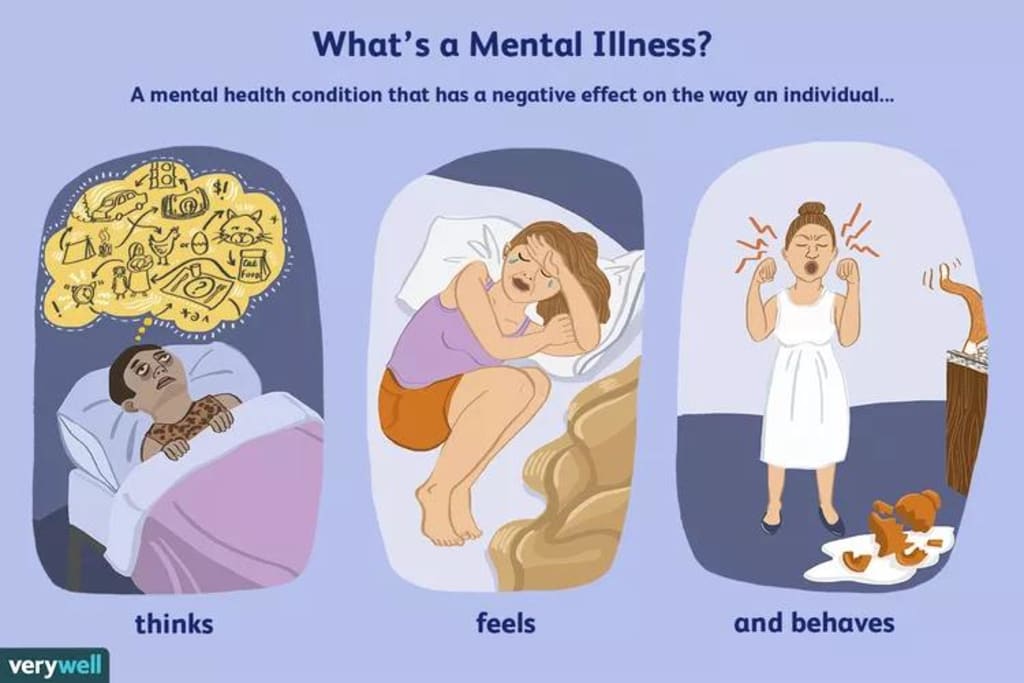
When someone is ill with a mental illness, they don't get well in isolation—they recover in a social context, and most directly, they are influenced by family. As crucial as medical treatment and professional therapy are, an educated and compassionate family can provide an incredible influence. Families can act as advocates, caregivers, emotional anchors, and bridges to stability. The role is not, however, without emotional, physical, and mental demands that must be understood, tolerated, and requiring resilience.
Understanding the Family's Role
Mental illness not only affects the person who has been diagnosed but usually has a significant effect on the family system. Family members may feel helpless, concerned, or unsure of how to assist in the most beneficial way. They may be distressed by feelings of guilt, burnout, or anxiety about doing or saying the wrong thing. Knowledge and communication are fundamental to resolving these dynamics.
Families can, with sensitivity and information:
Provide emotional support and understanding
Promote adherence to treatment
Ensure a safe and stable environment
Assist in recognizing early warning signs of relapse
Reduce isolation and stigma
Assist with practical tasks such as appointments, medication, and finance
How Family Can Assist Mental Health Recovery
1. Educate Yourself About the Illness
Knowledge dispels fear. Educate yourself as much as possible about the particular mental illness your loved one is dealing with—whether it's depression, bipolar disorder, schizophrenia, anxiety, or PTSD. Knowing symptoms, triggers, and treatments enables families to react with sympathy instead of frustration.
Books, support groups, mental health practitioners, and reputable websites can provide useful information. The more educated you become, the more confident you'll be to give helpful support.
2. Foster Open and Judgment-Free Communication
Ask your loved one to share what they're going through without fear of being judged or rejected. Employ active listening: give undivided attention, don't interrupt, and reflect back what's understood. Avoid comments like:
"Just snap out of it."
"You're being dramatic."
"Why are you still upset?"
Instead, try:
"I'm here for you."
"That sounds really tough—do you want to talk some more about it?"
"What can I do to help right now?"
Your body language and tone are just as important as what you say.
3. Suggest Professional Treatment
Mental illness is not a sign of weakness, nor will it simply disappear on its own. Encourage your loved one to seek help from a psychiatrist, psychologist, or counselor. Walk with them through the process of finding the appropriate provider, attending appointments, and adhering to treatment regimens.
At times, your loved one may not wish to seek help. Share your concern tactfully without being confrontational. Frame treatment as strength, not weakness. You may say, "I've noticed you're not yourself lately, and I'm worried about you. It would be a good idea to talk to someone."
4. Respect Autonomy While Being Supportive
There is a need to balance between assisting someone and providing them with independence. Avoid making decisions on their behalf and treating them as if they are incompetent. Involve them in treatment, lifestyle, and goal-oriented decisions. This control is essential in recovery.
If the person is in crisis—that is, suicidal behavior, psychosis, or risky withdrawal—do not hesitate to seek immediate help from mental health professionals or emergency services.
5. Create a Low-Stress Home Life
Stress is a powerful trigger for mental illness episodes. Work towards keeping the home life relaxed, predictable, and accepting. Some strategies include:
Developing daily routines
Reducing loud arguments or emotional outbursts
Reducing exposure to alcohol or drug use in the home
Encouraging healthy sleep, nutrition, and exercise habits
Small changes in the home can have a big impact on emotional stability.
6. Recognize Signs of Relapse Early
Family members typically are the first to notice subtle changes that may signal relapse. These can include:
Withdrawal from activities or relationships
Sleep or appetite changes
Irritability or mood swings
Disorganized thoughts or speech
Poor personal hygiene
Talk of hopelessness or worthlessness
Do not ignore these signs. Speak tactfully about them and encourage recontact with professional care.
Supporting Without Enabling
There is a delicate balance between supporting a loved one and enabling destructive behavior. It's important not to:
Make excuses or justify destructive behavior
Do everything for them if they are able
Ignore boundaries for fear of upsetting them
Fail to hold them accountable
Healthy support allows the person to be responsible for their own recovery. It's okay to establish boundaries and say no when necessary, especially if your own life is threatened.
The Emotional Toll on Families
Supporting a loved one with mental illness can be deeply rewarding—but also emotionally draining. Caregivers may experience:
Burnout or compassion fatigue
Anxiety or depression
Guilt over not doing "enough"
Grief for the person’s former self or missed life milestones
Frustration or resentment
You can’t pour from an empty cup. Taking care of your own mental health is not selfish—it’s essential. Seek counseling if needed, join a caregiver support group, and practice regular self-care.
Family Therapy and Support Groups
Sometimes the entire family benefits from visiting a mental health professional. Family therapy can:
Improve communication patterns
Conflict resolution
Strengthen bonds
Reduce guilt or blame
Learn coping skills together
Support groups, like those offered by NAMI (National Alliance on Mental Illness), can also be a godsend to families, offering shared experiences, education, and understanding.
Combating Stigma Within the Family
Even in close and loving families, stigma can exist. It can be in the form of silence, shame, or minimizing the illness. Open dialogue, education, and exposure to mental health services can reduce stigma and encourage acceptance.
Words matter. Say "a person with bipolar disorder," rather than "a bipolar person." Emphasize that mental illness isn't a character flaw—it's a medical illness, just like diabetes or asthma.
Legal and Financial Issues
Families may also need to contend with:
Health insurance and medical costs
Guardianship or power of attorney for incapacitated individuals
Disability benefits or social services
Vocational services
These areas can be complex and location-specific. A social worker or mental health attorney can provide clarification and guidance.
Final Thoughts
Families have a powerful, too frequently dormant part to play in the recovery of a mentally ill loved one. Your presence, patience, and support can be a healing balm and a steadying influence in the most chaotic moments. You needn't do it alone, though—professional intervention, community services, and self-care are just as vital for the caregiver as for the person being cared about.
The path will not always be easy, but it is navigable—and love, compassion, and resilience can light the way forward.
For professional mental health services and family counseling support, visit:
https://www.delhimindclinic.com/
https://www.craftcmsdeveloper.in/
Contact me if you're interested in discussing a revamp of your Craft site or simply want to chat about your Craft project. I'm available for a complimentary consultation!
About the Creator
Keep reading
More stories from Naveen Garg and writers in Education and other communities.
What are the early warning signs of schizophrenia, and how can it be effectively managed?
Schizophrenia is a complex and often misunderstood mental health disorder that affects how a person thinks, feels, and behaves. Contrary to popular belief, schizophrenia is not about having a "split personality." Instead, it is a chronic psychiatric condition marked by distortions in thinking, perception, emotions, language, and sense of self. Early identification and intervention are crucial in improving outcomes and quality of life for those affected. Recognizing the early warning signs can be the first step toward timely diagnosis and effective management.
By Naveen Garg6 months ago in Education
Top 7 Life Changing Books to Read in 2026
In 2026, readers are not just looking for entertainment—they want books that change the way they think, feel, and see the world. With endless content available online, only a few books continue to stand out, remain widely read, and influence conversations across generations. These are the books people keep recommending, searching for, and returning to year after year.
By Waqar Khan5 days ago in Education



Comments
There are no comments for this story
Be the first to respond and start the conversation.