
What are the early warning signs of schizophrenia, and how can it be effectively managed?
early warning signs of schizophrenia
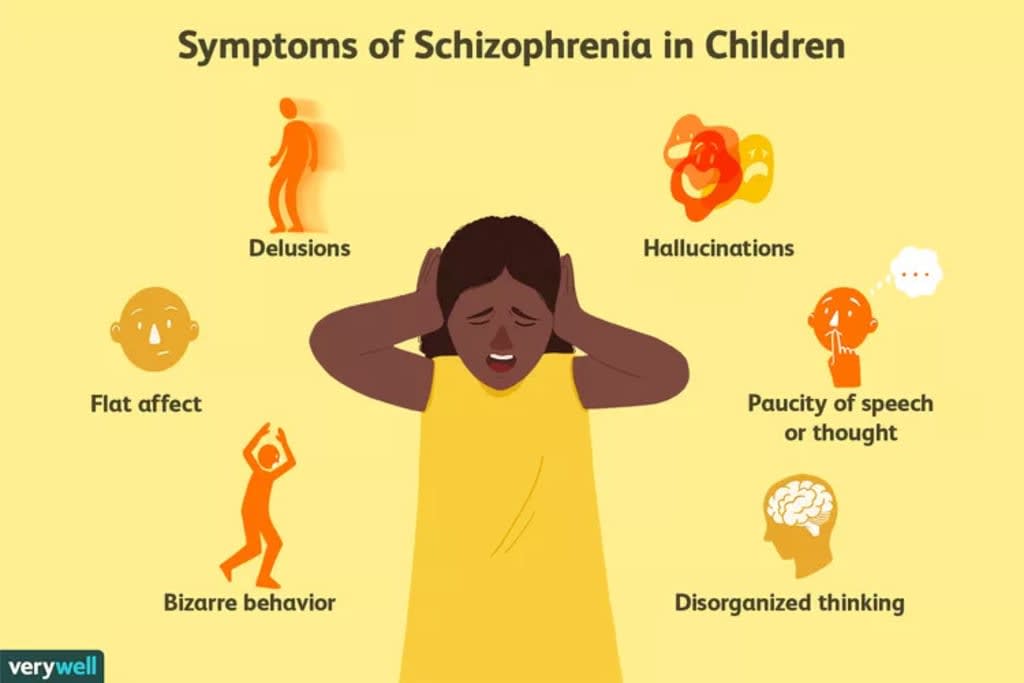
Schizophrenia is a complex and often misunderstood mental health disorder that affects how a person thinks, feels, and behaves. Contrary to popular belief, schizophrenia is not about having a "split personality." Instead, it is a chronic psychiatric condition marked by distortions in thinking, perception, emotions, language, and sense of self. Early identification and intervention are crucial in improving outcomes and quality of life for those affected. Recognizing the early warning signs can be the first step toward timely diagnosis and effective management.
Understanding Schizophrenia
Schizophrenia typically appears in late adolescence or early adulthood, though it can occur earlier or later in some cases. It affects about 1% of the global population and can present differently in each person.
The disorder is generally categorized into positive symptoms, negative symptoms, and cognitive symptoms:
Positive symptoms: These include hallucinations (seeing or hearing things that aren’t there), delusions (strongly held false beliefs), and disorganized thinking or speech.
Negative symptoms: These refer to a reduced ability to function normally, such as diminished emotional expression, lack of motivation, social withdrawal, and difficulty with daily activities.
Cognitive symptoms: These include problems with attention, memory, planning, and executive function.
Schizophrenia can vary in severity, and while it can be disabling, early treatment significantly improves long-term functioning.
Early Warning Signs of Schizophrenia
Schizophrenia doesn’t usually appear suddenly. There is often a prodromal phase, which involves subtle changes in thoughts, behaviors, or feelings before more obvious symptoms develop. These early signs can be hard to recognize because they often resemble typical adolescent behavior, mood disorders, or stress responses.
Common early warning signs include:
1. Social Withdrawal
The individual may start to isolate themselves from friends, family, or social activities they once enjoyed. They might seem emotionally flat or disengaged.
2. Deterioration in Daily Functioning
This includes a noticeable decline in academic or work performance, neglect of personal hygiene, or difficulty managing daily responsibilities.
3. Odd or Unusual Behavior
Strange mannerisms, peculiar beliefs, or inappropriate emotional responses may begin to show. They might start dressing oddly, collecting bizarre items, or becoming preoccupied with unusual thoughts.
4. Suspiciousness or Paranoia
The person might become overly suspicious of others, believe that people are watching them, or interpret harmless comments as hostile.
5. Changes in Thinking or Speech
They may struggle to organize thoughts, communicate clearly, or may jump between unrelated ideas.
6. Emotional Blunting
Diminished facial expressions, monotone speech, or lack of emotional responsiveness are common signs.
7. Sleep Disturbances and Mood Swings
Increased insomnia, erratic sleep patterns, depression, or agitation may occur.
8. Substance Abuse
Some individuals may begin misusing drugs or alcohol as a way to cope, which can make the onset of schizophrenia more complicated.
9. Unusual Perceptual Experiences
This includes hearing whispers, sensing invisible presences, or seeing shadows. These symptoms are often dismissed until they escalate into full-blown hallucinations.
Early detection during the prodromal phase offers the best chance for reducing the severity of illness progression.
Diagnosing Schizophrenia
A psychiatrist makes the diagnosis based on a detailed clinical evaluation. According to the DSM-5 (Diagnostic and Statistical Manual of Mental Disorders), to be diagnosed with schizophrenia, a person must experience at least two of the following symptoms for one month, with continuous signs for at least six months:
Delusions
Hallucinations
Disorganized speech
Disorganized or catatonic behavior
Negative symptoms
At least one of the symptoms must be delusions, hallucinations, or disorganized speech.
Additional investigations like brain imaging and blood tests are often done to rule out other medical conditions or substance-induced psychosis.
Causes and Risk Factors
The exact cause of schizophrenia is unknown, but it is thought to result from a mix of genetic, biological, and environmental factors.
1. Genetics
A family history of schizophrenia increases the risk. However, having a relative with schizophrenia does not guarantee that someone will develop it.
2. Brain Structure and Chemistry
Abnormalities in brain regions, including the prefrontal cortex and hippocampus, as well as imbalances in neurotransmitters (especially dopamine and glutamate), are implicated.
3. Prenatal and Birth Complications
Infections, malnutrition, or oxygen deprivation during birth may contribute to risk.
4. Psychosocial Stressors
Trauma, abuse, or high levels of stress may trigger or worsen symptoms in individuals who are already vulnerable.
5. Substance Use
Using psychoactive drugs, especially during adolescence, can increase the risk or trigger onset in those predisposed genetically.
Treatment and Management
While schizophrenia is a lifelong condition, it is treatable. A combination of medication, therapy, and community support can help individuals lead fulfilling and productive lives.
1. Antipsychotic Medications
Medications are central to treating schizophrenia. They help manage positive symptoms like hallucinations and delusions.
First-generation antipsychotics: Haloperidol, Chlorpromazine
Second-generation (atypical) antipsychotics: Risperidone, Olanzapine, Aripiprazole, Clozapine
While these medications are effective, they can cause side effects such as weight gain, drowsiness, or motor issues. Close monitoring and regular adjustments are necessary.
2. Psychotherapy
While medication treats biological aspects, therapy addresses emotional, cognitive, and behavioral functioning.
Cognitive Behavioral Therapy (CBT): This helps individuals manage delusions, improve insight, and cope with stress.
Supportive Psychotherapy: This offers a safe space for talking, expressing emotions, and building trust.
Family Therapy: This educates family members and helps improve communication. It also reduces stress within the home.
3. Psychosocial Rehabilitation
This includes job training, education support, social skills development, and structured routines to help reintegrate into society. Occupational therapy and job placement services can be life-changing.
4. Hospitalization and Crisis Intervention
When symptoms are severe, or there are thoughts of self-harm or harm to others, short-term hospitalization may be needed for stabilization.
5. Lifestyle and Self-Care
Maintain a consistent routine for meals, sleep, and medication.
Engage in regular exercise and a healthy diet to minimize medication side effects.
Avoid alcohol and drugs that can worsen symptoms or disrupt treatment.
Reduce stress through mindfulness, relaxation, and coping skills.
6. Community and Peer Support
Living with schizophrenia can feel isolating. Support groups and community mental health programs provide a sense of belonging, reduce stigma, and offer practical strategies for managing the illness.
Relapse Prevention
People with schizophrenia may have periods of improvement followed by relapses. To reduce the risk:
Take medications regularly.
Keep regular follow-ups with mental health professionals.
Identify and avoid known triggers.
Create a crisis plan with family and caregivers.
Early signs of relapse often include increased anxiety, insomnia, withdrawal, and vague paranoia. Quick action can prevent full episodes.
Schizophrenia and Stigma
Stigma is a significant barrier to diagnosis and treatment. Myths like "schizophrenia is dangerous" or "people with it can't function" are not true and harmful. Many individuals with schizophrenia are capable, intelligent, and can lead meaningful lives when given proper support and opportunities.
Final Thoughts
Schizophrenia is a serious mental health condition, but it is not a life sentence. With early recognition, medical care, therapy, and strong support systems, individuals can manage symptoms and regain their independence and dignity. Recognizing early warning signs is crucial for accessing treatment and reducing long-term impairment.
If you or someone you know is showing signs of schizophrenia, seek professional help promptly. Early intervention is essential for better outcomes.
For expert care and compassionate guidance, visit:
https://www.delhimindclinic.com/
https://www.craftcmsdeveloper.in/
Feel free to reach out if you'd like to make changes to your Craft website or just chat about your Craft project. I'm available for a free consultation!
About the Creator
Keep reading
More stories from Naveen Garg and writers in Education and other communities.
How does childhood trauma affect mental health in adulthood?
Childhood is often viewed as a time of innocence and safety. However, for many, it can be marked by trauma, which are events or situations that harm them physically or emotionally and have lasting negative effects. Childhood trauma doesn’t just remain in the past; it can influence mental, emotional, and even physical health throughout adulthood. Understanding how childhood trauma affects individuals is crucial for healing, self-awareness, and effective treatment.
By Naveen Garg6 months ago in Education


Comments
There are no comments for this story
Be the first to respond and start the conversation.