
What Is The Difference B/W Sweety vs Sweetie
Which One Is Corrrect

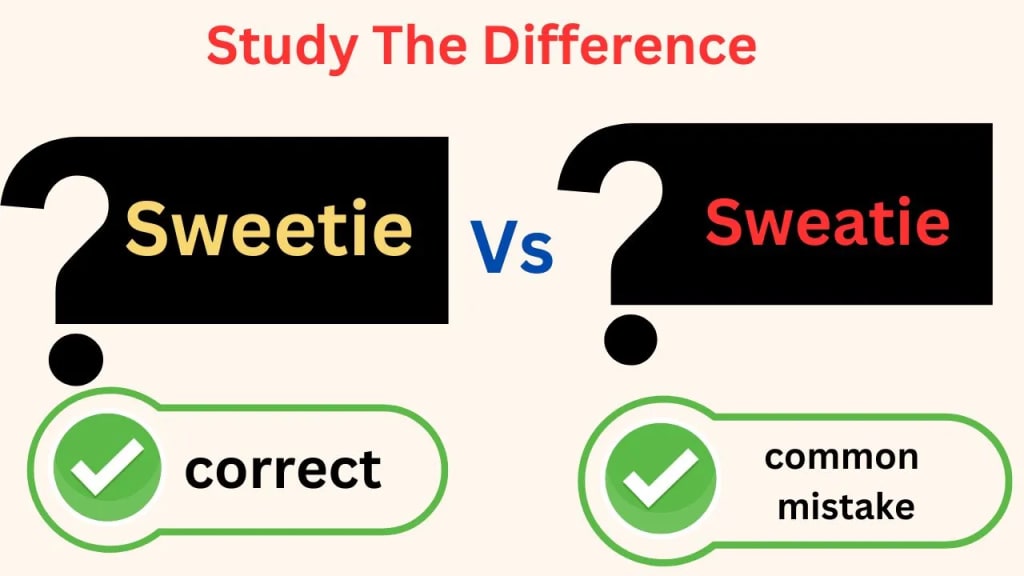
Sweety vs. Sweetie: What's the Difference and Which One Should You Use?
When it comes to terms of endearment, words like "Sweety" and "Sweetie" often pop up in conversations. But have you ever stopped to wonder: Is there a difference between the two? While they might seem interchangeable at first glance, these two words carry subtle distinctions in usage, tone, and even cultural perception. Let’s dive into the world of affectionate nicknames and unravel the mystery behind "Sweety" and "Sweetie."
The Basics: What Do "Sweety" and "Sweetie" Mean?
Both "Sweety" and "Sweetie" originate from the root word "sweet," which conveys kindness, affection, or something delightful. They're commonly used as pet names for loved ones, such as a partner, friend, or even a child. However, there are nuances to each term:
Sweety
This spelling is less common and is often perceived as more casual or playful.
"Sweety" is sometimes seen as a stylistic variation and can reflect a personal or cultural preference.
Example: "Hey Sweety, did you eat lunch yet?"
Sweetie
The standard and more widely accepted spelling.
"Sweetie" exudes warmth and affection and is often used in romantic or familial contexts.
Example: "Good morning, Sweetie! Have a great day."
The Difference Between "Sweety" and "Sweetie"
Aspect Sweety Sweetie
Usage Informal, sometimes playful More formal and affectionate
Popularity Less common Widely recognized and used
Tone Casual, friendly Romantic, endearing
Cultural Context Used in informal texting or slang Standard English in most contexts
When to Use "Sweety" or "Sweetie"
Understanding the appropriate context can make all the difference in using these terms effectively:
For Friends:
"Sweety" is often used among close friends or peers in a casual, light-hearted manner.
Example: "You’re such a sweety for helping me out!"
For Romantic Partners:
"Sweetie" is the go-to term for expressing affection in romantic relationships.
Example: "Sweetie, I missed you so much today!"
For Family Members:
Both terms can be used for children or family members, but "Sweetie" feels warmer and more traditional.
Example: "Come here, Sweetie, and give Grandma a hug."
Regional and Cultural Influences
The preference for "Sweety" or "Sweetie" can also vary based on cultural and regional norms. For instance:
In British English, "Sweetie" is more common and is often used affectionately.
In some non-native English-speaking regions, "Sweety" might appear more frequently as a result of transliteration or phonetic spelling.
Common Mistakes and Misunderstandings
Assuming They're Always Interchangeable:
While both terms are affectionate, using "Sweety" in a professional or formal setting might come across as too casual or even grammatically incorrect.
Overusing the Terms:
While sweet nicknames can strengthen bonds, overusing them in inappropriate contexts might dilute their impact.
Alternatives to "Sweety" and "Sweetie"
If you want to mix things up, here are some other affectionate terms you can use:
Honey
Babe
Love
Darling
Cutie
Angel
Final Thoughts
Whether you prefer "Sweety" or "Sweetie," the key lies in how the term resonates with you and the person you’re addressing. Both words carry a sense of affection and warmth, but "Sweetie" is the safer, more universal choice for most situations. Meanwhile, "Sweety" offers a quirky, playful twist for casual conversations.
The next time you’re about to send a message or call someone by an affectionate name, consider the tone and context. After all, it’s the thought and connection behind the word that truly matters!
What’s your go-to term of endearment? Share your thoughts in the comments below! 😊
About the Creator
Talks Speaker
My expertise lies in English grammar, and I am highly skilled in this field. With a deep understanding of grammatical rules and structures.
Learn Grammer On my Website https://talkspeaker.com/
Keep reading
More stories from Talks Speaker and writers in Education and other communities.
Can I Say ‘Well Received’ in Professional Emails? 🤔📩
When crafting professional emails, every word matters. Phrases like “well received” often find their way into business correspondence, but is this phrase truly effective or appropriate in all situations? Let’s dive deeper to explore the nuances of using “well received” and its alternatives to ensure your emails leave the right impression.
By Talks Speakerabout a year ago in Education
Natural Ways to Clear Blackheads and Whiteheads
Blackheads and whiteheads are very common skin problems that affect people of all ages. They usually appear on the nose, chin, forehead, and sometimes on the cheeks. These small bumps form when the pores of the skin become clogged with oil, dead skin cells, and dirt. Blackheads appear dark because the clogged material inside the pore reacts with air and becomes oxidized, while whiteheads remain covered by skin, giving them a white or flesh-colored appearance.
By DigitalAddi4 days ago in Education



Comments
There are no comments for this story
Be the first to respond and start the conversation.