
What is the correlation between self-esteem and mental health, and how do individuals achieve healthy self-esteem?
Correlation between self-esteem and mental health
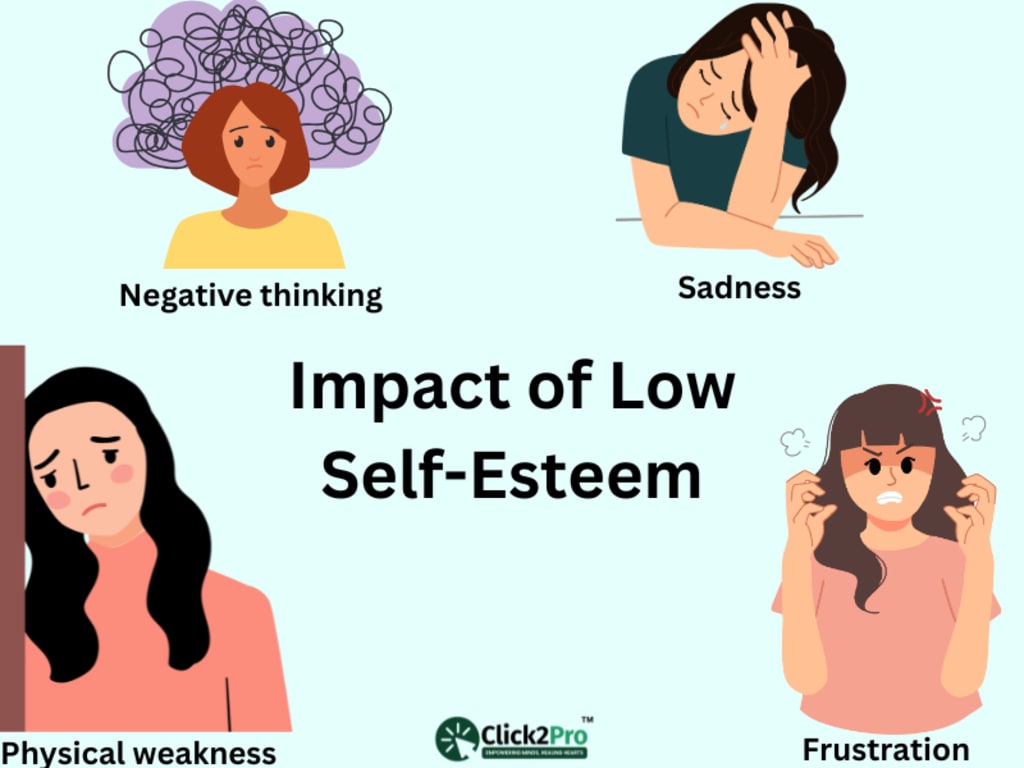
Self-esteem is the way individuals perceive and value themselves. It reflects the degree to which we accept, appreciate, and respect ourselves. Positive self-esteem is the foundation of good mental health as it dictates our confidence, relationships, motivation, and resilience. Low self-esteem, however, has a tendency to lead to self-doubt, negative thoughts, social withdrawal, and vulnerability to mental illnesses like depression and anxiety.
It is essential to know how self-esteem relates to mental health to ensure emotional well-being. This discussion looks at how self-esteem impacts mental health, the implications of low self-esteem, and the correct modes of developing and maintaining a positive sense of self-worth.
Self-Esteem and Mental Health: The Relationship
Self-esteem is not arrogance or superiority. It is a reasonable, realistic, and positive perception of oneself.
Positive Self-Esteem Leads To:
Resilience: People with healthy self-esteem handle setbacks but don't give up hope.
Healthier Relationships: They set boundaries, communicate effectively, and respect themselves and others.
Motivation and Growth: They believe in themselves and approach challenges with confidence.
Good Mental Health: High self-esteem correlates with lower levels of depression, anxiety, and self-destructive behaviors.
Low Self-Esteem Gives Rise To:
Self-Criticism: Chronic negative self-talk, e.g., "I am not good enough."
Social Anxiety: Fear of judgment and failure to form intimate relationships.
Mental Health Disorders: Higher risk of depression, eating disorders, and addiction to drugs.
Helplessness: Individuals avoid challenges for fear of failure.
Self-esteem is thus accountable for mental and emotional well-being.
Causes of Low Self-Esteem
Understanding the causes of low self-esteem enables its correction. Some of the frequent causes include:
Negative Early Experiences
Harsh criticism, neglect, bullying, or emotional neglect in childhood can damage self-esteem.
Comparison Culture
Frequent comparisons with others, especially on social media, evoke feelings of inferiority.
Perfectionism
Expecting very high standards easily results in self-criticism when expectations fall short.
Trauma
Emotional, physical, or sexual abuse has the potential to severely impair one's self-esteem.
Failure or Rejection
Failure in academics, career, or relationships, if not dealt with constructively, erodes self-confidence.
Mental Health Issues
Depression and anxiety can also skew self-image, creating a cycle of low self-esteem.
Symptoms of Low Self-Esteem
Unable to accept compliments.
Excessive apologizing, even if not responsible.
Shying away from challenges or social withdrawal.
Self-criticism and self-blame.
Feeling unworthy of success or happiness.
Becoming aware of these tendencies is the initial step to improvement.
How to Develop and Sustain Healthy Self-Esteem
1. Be Self-Compassionate
Be kind to yourself, especially when faced with failure. Instead of criticism, practice encouraging self-talk, e.g., "I did my best, and I can learn from it."
2. Challenge Negative Thoughts
Identify damaging beliefs such as "I am worthless." Replace them with realistic ones such as "I am competent and learning every day." Cognitive-behavioral therapy (CBT) is particularly effective in this regard.
3. Avoid Comparisons
Every individual possesses his or her own weaknesses and strengths. Focus on personal growth rather than comparison with others.
4. Set Realistic Goals
Achievement in small, realistic goals fosters confidence and a sense of accomplishment.
5. Surround Yourself with Positivity
Being around positive friends, mentors, or support groups boosts self-esteem. Avoid toxic relationships that drain energy and create doubts.
6. Take Care of Your Body
Proper exercise, nutrition, and rest improve physical and mental health, resulting in self-esteem.
7. Learn New Skills
Engaging in a hobby or acquiring new skills improves confidence and provides a sense of achievement.
8. Practice Gratitude
Keeping a gratitude journal shifts focus from weaknesses to strengths and achievements.
9. Seek Professional Help
Therapists help discover root causes of low self-esteem and provide individuals with tools to regain confidence.
Self-Esteem and Relationships
Low self-esteem typically affects relationships. People may tolerate poor treatment, have trust issues, or become overly clingy. Healthy self-esteem, conversely, generates respect for self and others and more equal relationships. Learning to set boundaries and communicate needs assertively is both self-respect and healthier relationships' single most crucial learning.
Case Example
Meera, a creative 28-year-old graphic designer, never believed in herself. Social media comparisons and childhood criticism left her with low self-confidence. She never asked for a promotion and would get anxious in social interactions.
With therapy, Meera could challenge negative thoughts, practice gratitude, and become self-compassionate. She gradually built confidence, began to apply for leadership roles, and established healthier relationships. This shows how self-esteem can be rebuilt with time and support.
Long-Term Advantages of Healthy Self-Esteem
Greater resilience in the face of life challenges.
Less risk of mental health issues.
Increased happiness and life satisfaction.
Healthier and stronger relationships.
Freedom to pursue dreams without fear of failure.
Self-esteem doesn't stand still; it grows. With consistent practice of self-care and affirming thoughts, people can build long-term confidence and psychological resilience.
Final Thoughts
Mental health and self-esteem are intimately connected. Just as low self-esteem feeds anxiety, depression, and toxic relationships, building healthy self-esteem empowers resilience, confidence, and overall well-being.
The path to healthier self-esteem starts with small steps: being kind to oneself, making realistic expectations, and asking for help when necessary. These habits, over time, reshape self-image, unlocking more emotional wellness and happiness.
Keep in mind: self-esteem isn't perfection — it's acceptance, improvement, and respect for oneself.
For professional mental health assistance, go to:
https://www.delhimindclinic.com/
To improve or maintain your Craft CMS website, go to:
https://www.craftcmsdeveloper.in/
Feel free to reach out if you need to make revisions to your Craft site or simply wish to talk about your Craft project. I provide a complimentary consultation!
About the Creator
Keep reading
More stories from Naveen Garg and writers in Education and other communities.
How Can a Family Support a Depressed Loved One?
Introduction Depression is the most common mental illness in the world but not well explained. For families, it is very distressing and perplexing to watch a loved one suffering from depression. Depression is unlike a physical disease in the sense that it is not constantly visible and therefore can be tricky to spot and deal with. The depressed person may seem depressed, irritable, or lethargic — and families may misinterpret these as laziness, lack of energy, or personal inadequacy.
By Naveen Garg5 months ago in Education
Competitive Distance Running Excellence Built on Repeated High Race Placements
Competitive distance running rewards athletes who can perform well again and again. One strong finish is impressive, but multiple high placements in recent races show true consistency. These results point to smart training, clear focus, and the ability to manage pressure over time. This article explores how competitive distance running athletes achieve repeated success, why high placements matter, and what helps runners stay near the front of the field.
By Daniel Podor4 days ago in Education


Comments
There are no comments for this story
Be the first to respond and start the conversation.