
What is the Best Option for Most Biodegradable Materials?
Learn About What is the Best Option for Most Biodegradable Materials.


As the world becomes more aware of environmental problems, people are paying more attention to the things they use and throw away. One of the biggest concerns today is waste and how it affects our planet. Many products we use every day end up in landfills or pollute nature. Thankfully, biodegradable materials offer a better option. These are items that can break down naturally without harming the environment. But simply using biodegradable products is not enough. We also need to dispose of them the right way.
In this blog, we will explore the important question: What is the Best Option for Most Biodegradable Materials? Let’s understand how we can make better choices for a cleaner and greener world.
Composting: The Best Solution
The best option for most biodegradable materials is composting. Composting is a natural process that turns food scraps, paper, and plant waste into nutrient-rich soil. When biodegradable materials are composted properly, they break down quickly and safely. This method reduces waste in landfills and helps the environment. Composting can be done at home or in large facilities. It is one of the easiest and most effective ways to recycle organic materials.
Why Landfills Are Not Ideal
Many people think that throwing biodegradable items into the trash is okay because they will break down anyway. But this is not true. In landfills, biodegradable materials do not break down properly because there is not enough air and sunlight. Instead, they rot slowly and release harmful gases like methane, which contribute to global warming. That’s why composting is a much better choice than sending these materials to landfills.
Home Composting
One great way to manage biodegradable waste is by composting at home. You can use a small compost bin in your kitchen or set up a compost pile in your backyard. Add food scraps, fruit peels, coffee grounds, eggshells, and even paper towels. Avoid adding meat, dairy, or oily foods, as these take longer to break down. Stir the pile often and keep it moist. In a few weeks or months, you’ll have dark, rich soil that you can use in your garden or flower pots.
Community Composting Programs
If you don't have space at home, many towns and cities offer community composting programs. You can collect your biodegradable waste in a special bin and drop it off at a composting center. Some areas also offer curbside pickup for organic waste. These programs help reduce landfill waste and create compost for public gardens, farms, and parks.
Industrial Composting
Industrial composting is another great option for biodegradable materials. This process happens in large facilities that can handle more waste and break it down faster using heat, oxygen, and special machines. Industrial composting is especially useful for items like compostable plates, utensils, and packaging, which may not break down easily in home compost systems. This method ensures that even tougher biodegradable materials are handled properly.
Using Biodegradable Products Wisely
Using biodegradable products is a smart move, but they should always be disposed of in the right way. For example, some items marked "biodegradable" may only break down in industrial composting facilities. So, it’s important to read labels carefully and know where to send each item. Throwing them into regular trash will not help the environment and can even cause more harm.
Avoiding Confusion Between Biodegradable and Compostable
It’s also important to know the difference between biodegradable and compostable materials. All compostable materials are biodegradable, but not all biodegradable items are compostable. Compostable products break down fully and leave no toxic waste behind. Some biodegradable items may take years to break down and might leave behind small plastic particles. Knowing this can help us make better choices and manage waste correctly.
Educating Others
One way to support better use of biodegradable materials is by sharing knowledge. Teach your family, friends, and neighbors about composting. Show them how to sort waste properly and explain why it matters. When more people understand how to handle biodegradable materials, it helps the whole community and protects the planet.
Government and Business Support
Governments and businesses can also play a big role. By offering composting services, placing more compost bins in public areas, and encouraging eco-friendly packaging, they make it easier for people to do the right thing. Supporting laws that reduce single-use plastics and promote biodegradable alternatives also makes a big difference.
Conclusion
So, what is the best option for most biodegradable materials? The answer is composting. Whether done at home, in a community, or at an industrial level, composting is the most effective way to manage biodegradable waste. It keeps materials out of landfills, reduces pollution, and creates healthy soil.
But composting only works when people understand its value and use it correctly. By making smart choices and spreading awareness, we can all take part in building a cleaner, greener future. Let’s treat biodegradable materials with care and help protect our environment.
About the Creator
Hina
Here I will provide simple and easy-to-understand information on general topics and creative project ideas. I believe learning should be fun, clear, and never confusing or stressful.
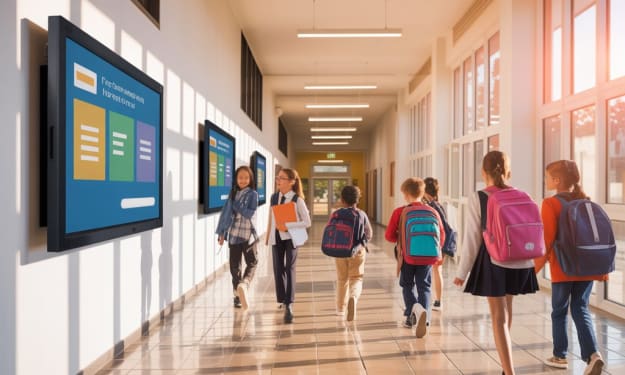
Digital Signage Solutions Supporting Communication in Schools
I still remember the chaos of my first week as a communications coordinator at a mid-sized university. Between emergency alerts that never reached students, event posters peeling off bulletin boards, and faculty members who couldn't find the right room for meetings, I realized our campus communication system was stuck in the 1990s. That experience changed how I think about information flow in educational settings.
By Jerry Kane 7 days ago in Education
Invisible Radiation in Everyday Life
We live in a world powered by invisible signals. From the moment you wake up and check your phone, to working on a laptop, connecting to WiFi, using Bluetooth earbuds, or scrolling before bed—your body is constantly surrounded by electromagnetic fields (EMFs). They’re an unavoidable part of modern life, yet most people rarely stop to think about how continuous exposure may affect their energy, sleep, focus, and overall well-being.
By Inamullah Momand 7 days ago in Education



Comments
There are no comments for this story
Be the first to respond and start the conversation.