
What is Screenplay?
Basic understanding of writing a screenplay.

Screenplay is a written document that serves as a blueprint for a film or TV show. It's a narrative in which the story is conveyed through dialogue, actions, and descriptions of settings, characters, and events. The screenplay is usually written by a screenwriter, who works closely with the director, producers, and actors to bring the story to life on the screen.
Screenplays are a vital component of the film and TV industry, as they form the foundation upon which movies and TV shows are made. Screenplays are typically written in a specific format, which includes elements such as scene headings, action descriptions, dialogue, and character names. This format helps to ensure that everyone involved in the production of the film or TV show is on the same page and understands the vision of the writer.
In the following sections, we'll explore the various elements that make up a screenplay and discuss some best practices for writing an effective one.
Elements of a Screenplay
Screenplays typically have several key elements that are essential to their structure and format. These elements include:
Scene Headings: Scene headings are used to indicate where the scene takes place. They typically include information about the location, time of day, and whether the scene takes place inside or outside.
Action Descriptions: Action descriptions provide information about the physical actions and movements of the characters in the scene. They also describe the setting and any other relevant details.
Dialogue: Dialogue is the spoken words of the characters in the scene. It's an essential part of the screenplay, as it helps to convey the emotions, motivations, and personalities of the characters.
Characters: Characters are the people who populate the story. They have their own distinct personalities, motivations, and desires, and they drive the action of the story.
Transitions: Transitions are used to move between scenes and indicate changes in time, location, or point of view.
Best Practices for Writing a Screenplay
Writing a screenplay can be a challenging task, but there are some best practices that can help you create an effective one. Here are some tips to keep in mind:
Start with a strong concept: The concept of your screenplay should be compelling and engaging. It should grab the reader's attention and make them want to know more about the story.
Outline your story: Before you start writing, create an outline of your story. This will help you organize your thoughts and ensure that your story has a clear structure.
Develop your characters: Your characters should be fully fleshed out and have their own distinct personalities, motivations, and desires. This will make them more engaging and relatable to the audience.
Use active voice: Screenplays should be written in the active voice, which means using strong, descriptive verbs to convey action and movement.
Keep it concise: Screenplays should be concise and to the point. Avoid long descriptions or unnecessary dialogue that slows down the pace of the story.
Get feedback: Once you've completed your screenplay, get feedback from others. This can help you identify areas where the story may be weak and make improvements.
Conclusion
Screenplays are an essential part of the film and TV industry, serving as the blueprint for the production of movies and TV shows. They are typically written in a specific format, which includes elements such as scene headings, action descriptions, dialogue, and character names. Writing a screenplay can be challenging, but following best practices such as starting with a strong concept, outlining your story, developing your characters, using active voice, keeping it concise, and getting feedback can help you create an effective one.
About the Creator
Keep reading
More stories from Mohamed Asaruddin and writers in Education and other communities.
WOW-The Mystery
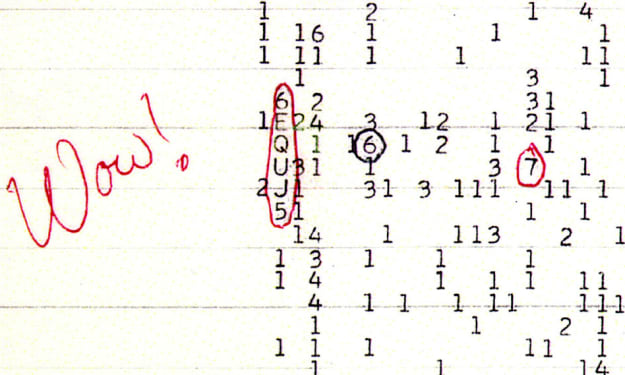
In the summer of 1977, a group of astronomers at the Big Ear radio observatory in Ohio detected a signal that was so strong and unusual that one of them circled it on a printout and wrote "WOW!" in the margin. This signal, known as the "WOW signal," remains one of the greatest unsolved mysteries in the history of astronomy.
By Mohamed Asaruddin3 years ago in FYI
Creating a Calm and Confident Path Toward Retirement
Retirement planning often feels intimidating, especially when people imagine complex calculations and uncertain outcomes. However, when you approach the process with clarity and patience, it becomes far more manageable. Instead of focusing on stress, thoughtful planning helps you feel confident about the future you are building.
By Michael Petruska7 days ago in Education
The Night of Mi‘rāj: A Journey Beyond Time, Space, and Human Imagination
Mi‘rāj — A Night That Reshaped Human Understanding Among all the extraordinary events recorded in Islamic tradition, Mi‘rāj stands as one of the most profound. It is not merely a journey; it is a moment when the boundaries of time, space, and perception were transcended by the Prophet Muhammad ﷺ through the will of God.
By Muhammad Islam khan swati7 days ago in Education
Smart phones, Humans and Aliens.
WARNING. I will be tapping into one of your favorite creative tensions: The absurdity of humans worshipping their glowing rectangles as if they were tiny oracles. There’s something deliciously poetic about that contradiction, and it lends itself beautifully to an instructive proviso.
By Novel Allen4 days ago in Poets


Comments
There are no comments for this story
Be the first to respond and start the conversation.