
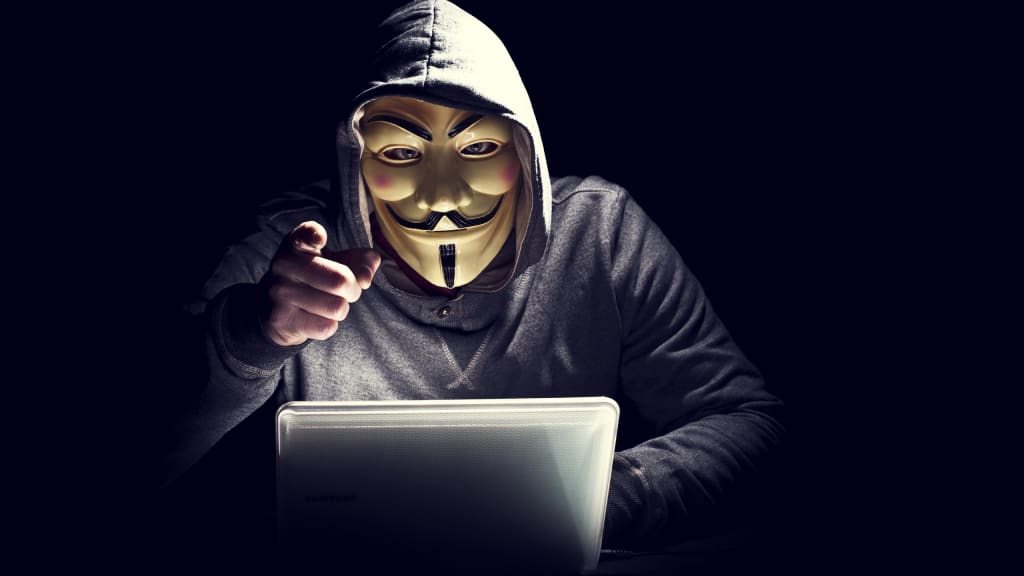
What is phishing attack?
A phishing attack is a type of cyberattack in which the attacker attempts to trick the victim into providing sensitive information such as login credentials, credit card numbers, or other personal information by masquerading as a trustworthy entity in an electronic communication. These communications often take the form of emails or text messages that appear to be from a legitimate source, such as a bank or online retailer. Once the victim provides the information, the attacker can use it for fraudulent activities or to gain unauthorized access to the victim's accounts.
How Phishing attack work?
Phishing attacks typically work by sending a message to the victim that appears to be from a legitimate source, such as a bank, government agency, or well-known company. The message may ask the victim to click on a link or open an attachment, which then takes them to a website or opens a document that is designed to look like a legitimate site or document. Once the victim is on the site or has opened the document, they may be prompted to enter personal information, such as login credentials, credit card numbers, or other sensitive information. The attacker can then use this information for fraudulent activities or to gain unauthorized access to the victim's accounts. Another way the phishing attack works is the attacker may send an email that appears to be from a known contact, often with a link or attachment. If the victim clicks on the link or attachment, they may be taken to a website or open a document that contains malware, which can give the attacker access to the victim's computer and sensitive information stored on it. Phishing can also happen through instant messaging and social media platforms. It's important to be aware of these tactics and to be cautious of any unsolicited messages or links that ask for personal information.
In 2020, the World Health Organization (WHO) warned of a significant increase in phishing attacks related to the COVID-19 pandemic, with attackers posing as WHO officials and sending emails with malicious links or attachments.
In 2020, there was also a phishing campaign that used the brand name of Zoom, one of the most popular video conferencing software, to trick users into providing login credentials to attackers.
In 2020, several companies reported being targeted by phishing attacks that attempted to steal login credentials for remote access tools like VPNs, which have become increasingly important as more people work from home due to the pandemic.
It's important to note that, these are just a few examples, many companies and organizations fall victim to phishing attacks, and it's an ongoing problem for the cybersecurity industry.
How to prevent yourself from phishing attack?
The cautious of unsolicited messages or emails that ask for personal information, even if they appear to be from a legitimate source. Always hover over the link to see the actual URL before clicking on it.
Do not click on links or open attachments in emails or text messages unless you are certain they are legitimate.
Use antivirus and anti-phishing software, and keep them updated.
Use multifactor authentication for online accounts, if available.
Be cautious of any unsolicited phone calls or text messages that ask for personal information.
Be aware of the latest phishing techniques and educate yourself on how to identify them.
Do not use the same password for multiple accounts.
Use a password manager to generate and store strong, unique passwords for each account.
Be wary of phone callers or emailers who claim to be from a bank or other financial institution, asking for your personal information. Banks and financial institutions will not ask you for sensitive information through these channels.
Use a pop-up blocker and disable JavaScript on your browser if you're visiting a suspicious website.
It's also important to keep in mind that even with all the preventive measures, you may still fall victim to a phishing attack, so it's important to regularly monitor your accounts and report any suspicious activity to the relevant authorities.
About the Creator
Umangjot
I love to write on the articles, which are usually for spreading the awareness about the ongoing pandemic, frauds and other topics.
Keep reading
More stories from writers in Education and other communities.
How Clear Communication Improves Patient Healing
Clear communication is one of the most powerful tools in healthcare. It shapes how patients understand their condition, follow treatment plans, and feel about their care. When communication is simple, honest, and consistent, it supports patient healing in real and measurable ways. Clear patient communication builds trust, reduces fear, and helps patients take an active role in their recovery.
By Yousuf A. Gaffar, M.D5 days ago in Education
Leading with Insight: Always Informed by Professional Development and Market Trends
The workplace is changing faster than ever. Technology, customer needs, and job roles are constantly shifting. To keep up, workers and leaders must continually stay informed through professional development and market trends. It’s not just about learning — it’s about staying ready.
By Stacey Yimabout 5 hours ago in Education


Comments
There are no comments for this story
Be the first to respond and start the conversation.