
What is Gold? Benefits and Upcoming Rate Changes
Gold is GOLD

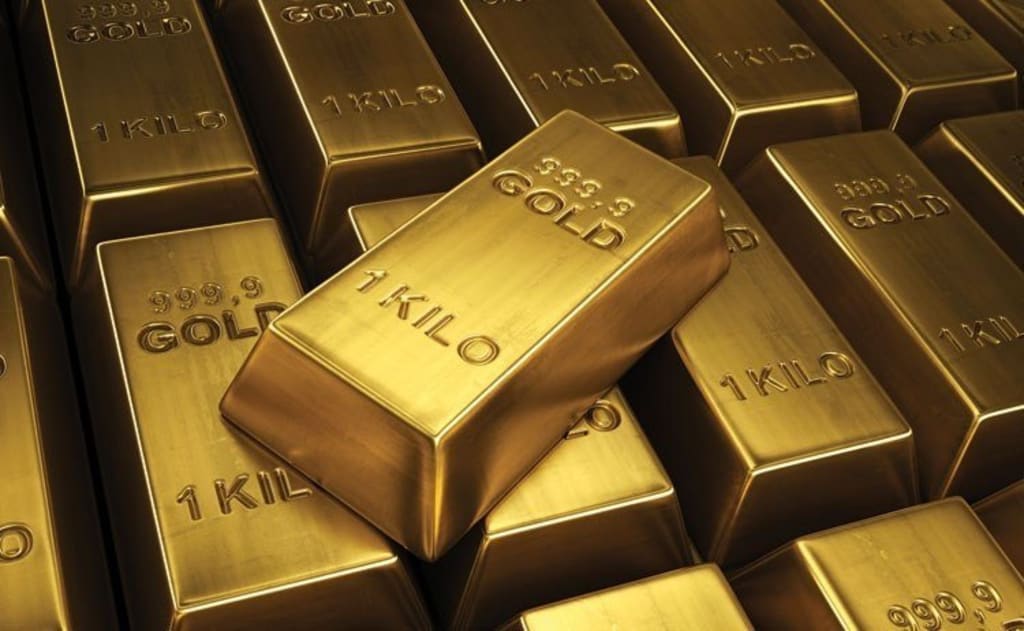
Gold has been a symbol of wealth, power, and beauty for thousands of years. From ancient civilizations to modern economies, gold has played a pivotal role in shaping human history. Its unique properties, rarity, and enduring value have made it one of the most sought-after commodities in the world. In this article, we will explore what gold is, its benefits, and the factors influencing its upcoming rate changes.
________________________________________
What is Gold?
Gold is a chemical element with the symbol Au (from the Latin word aurum, meaning "shining dawn") and atomic number 79. It is a dense, soft, malleable, and ductile metal with a bright yellow color and luster that has made it highly desirable for jewelry, coinage, and art. Gold is one of the least reactive chemical elements, making it resistant to corrosion and tarnish, which contributes to its longevity and value.
Properties of Gold
• Malleability and Ductility: Gold can be hammered into thin sheets (gold leaf) or drawn into fine wires without breaking.
• Conductivity: It is an excellent conductor of electricity and heat, making it valuable in electronics and industrial applications.
• Rarity: Gold is relatively rare in the Earth's crust, which adds to its value.
• Non-reactivity: Gold does not oxidize or corrode, ensuring it retains its appearance over time.
Forms of Gold
Gold exists in various forms, including:
• Bullion: Bars or ingots of pure gold used for investment.
• Coins: Minted gold coins like the American Eagle or South African Krugerrand.
• Jewelry: Gold is often alloyed with other metals like silver or copper to increase its strength for use in jewelry.
• Electronics: Gold is used in connectors, switches, and other components due to its conductivity and resistance to corrosion.
________________________________________
Benefits of Gold
Gold offers a wide range of benefits, making it a versatile asset for individuals, investors, and industries. Below are some of the key advantages of gold:
1. Store of Value
Gold has been a reliable store of value for centuries. Unlike fiat currencies, which can lose value due to inflation or economic instability, gold retains its purchasing power over time. This makes it a popular choice for preserving wealth.
2. Hedge Against Inflation
Gold is often seen as a hedge against inflation. When the value of currency decreases, the price of gold tends to rise, protecting investors from the eroding effects of inflation.
3. Portfolio Diversification
Including gold in an investment portfolio can reduce risk. Gold often moves inversely to stocks and bonds, providing a buffer during market downturns.
4. Liquidity
Gold is a highly liquid asset, meaning it can be easily bought or sold in global markets. This makes it an attractive option for investors who need quick access to cash.
5. Industrial and Technological Uses
Gold's unique properties make it indispensable in various industries. It is used in electronics, dentistry, aerospace, and even medicine (e.g., in treatments for rheumatoid arthritis).
6. Cultural and Emotional Value
Gold holds significant cultural and emotional value in many societies. It is often associated with wealth, success, and celebration, making it a popular choice for gifts and heirlooms.
7. Safe Haven Asset
During times of geopolitical uncertainty or economic crisis, gold is considered a safe haven asset. Investors flock to gold as a way to protect their wealth from market volatility.
________________________________________
Factors Influencing Gold Prices
The price of gold is influenced by a complex interplay of factors, including supply and demand, economic conditions, and geopolitical events. Below are some of the key drivers of gold prices:
1. Supply and Demand
The basic economic principle of supply and demand plays a significant role in determining gold prices. Limited supply and high demand typically drive prices up, while oversupply or reduced demand can lead to price declines.
2. Inflation and Currency Fluctuations
Gold is often seen as a hedge against inflation. When the value of fiat currencies decreases, investors turn to gold, driving up its price. Similarly, fluctuations in major currencies like the US dollar can impact gold prices.
3. Interest Rates
Gold does not yield interest, so its attractiveness often diminishes when interest rates rise. Conversely, low interest rates make gold more appealing as an investment.
4. Geopolitical Events
Wars, political instability, and global crises can increase demand for gold as a safe haven asset, pushing prices higher.
5. Central Bank Policies
Central banks hold significant gold reserves and their buying or selling activities can influence market prices. For example, if a central bank decides to increase its gold reserves, it can drive up demand and prices.
6. Mining Production
The cost and output of gold mining also affect prices. If mining production decreases due to higher costs or environmental regulations, it can lead to a reduction in supply and higher prices.
________________________________________
Upcoming Rate Changes in Gold
Predicting gold prices is challenging due to the numerous variables involved. However, several trends and factors suggest potential rate changes in the near future:
1. Economic Recovery Post-Pandemic
As the global economy continues to recover from the COVID-19 pandemic, central banks may begin to raise interest rates to combat inflation. Higher interest rates could put downward pressure on gold prices, as investors may prefer interest-bearing assets.
2. Inflation Concerns
Persistent inflation in many countries could drive demand for gold as a hedge. If inflation remains high, gold prices may rise in response.
3. Geopolitical Tensions
Ongoing geopolitical tensions, such as conflicts in Eastern Europe or trade disputes between major economies, could increase demand for gold as a safe haven asset.
4. Central Bank Buying
Many central banks, particularly in emerging markets, have been increasing their gold reserves. This trend is likely to continue, supporting gold prices.
5. Technological Advancements
The growing use of gold in technology, particularly in the electronics and renewable energy sectors, could drive demand and push prices higher.
6. Market Speculation
Speculative trading in gold futures and ETFs can lead to short-term price fluctuations. Investors should be cautious of market volatility driven by speculation.
________________________________________
Conclusion
Gold is a timeless asset that offers numerous benefits, from wealth preservation to industrial applications. Its value is influenced by a wide range of factors, including supply and demand, economic conditions, and geopolitical events. While predicting gold prices is inherently uncertain, understanding these factors can help investors make informed decisions.
As we look to the future, gold is likely to remain a key component of investment portfolios and industrial applications. Whether you are an investor seeking stability, a jeweler crafting beautiful pieces, or a technologist developing cutting-edge innovations, gold's enduring appeal ensures it will continue to shine brightly in the years to come.
________________________________________
Note: The information provided in this article is for educational and informational purposes only and should not be considered financial or investment advice. Always consult with a professional before making investment decisions.
About the Creator
SearchEngineWays
SearchEngineWays - Your Trusted Partner in SEO Link Building + Content Marketing :) :)
High Authority Guest Postings,
and Web Development Services.
Keep reading
More stories from SearchEngineWays and writers in Education and other communities.
SEO Keyword Research: Unlocking the Power of Search Intent
In the ever evolving world of digital marketing, Search Engine Optimization (SEO) remains a cornerstone of online success. At the heart of any effective SEO strategy lies keyword research a process that helps you understand what your target audience is searching for and how to align your content with their needs. Whether you're a seasoned marketer or a beginner, mastering keyword research is essential for driving organic traffic, improving search engine rankings, and ultimately growing your business.
By SearchEngineWaysabout a year ago in Education
Leveraging Prediction Markets to Enhance Strategic Planning
In today’s competitive business environment, making informed strategic decisions is crucial for long-term success. Prediction markets have emerged as a valuable tool for improving strategic planning by aggregating insights from diverse participants. These markets enable organizations to forecast outcomes through collective intelligence, providing a more accurate understanding of potential scenarios. By integrating prediction market data into planning processes, companies can anticipate risks, identify opportunities, and make better-informed decisions that support sustainable growth.
By Anthony Qiabout 21 hours ago in Education
How Small Organizations Can Use Data Analytics to Boost Their Business
Big or small, businesses of all sizes today rely on insightful information to make decisions. Especially in this data-driven economy, those who fail to adopt a data-driven culture may risk falling behind their competitors who embrace and are updated with data analytics trends. Though large corporations already have sufficient analytics systems, they are no longer limited to huge enterprises. Data analytics for small businesses is gaining quite traction, powering them with unprecedented insights to take their business forward.
By Pradip Mohapatra4 days ago in Education




Comments
There are no comments for this story
Be the first to respond and start the conversation.