
what isDigital marketing and types of digital marketing
"Empowering Businesses to Thrive in the Digital Age"


Digital marketing is a powerful tool for businesses of all sizes to reach and engage with their target audience. With the rise of the internet and social media, more and more businesses are turning to digital marketing to promote their products and services, increase brand awareness, and drive sales. In this blog post, we will explore the different aspects of digital marketing and how businesses can leverage them to grow their business.
Search Engine Optimization (SEO)
SEO is the practice of optimizing your website and its content to rank higher in search engine results pages (SERPs). By ranking higher in SERPs, you increase the visibility of your website to potential customers, leading to more traffic, leads, and sales. There are many factors that go into SEO, including keyword research, on-page optimization, link building, and more. A well-executed SEO strategy can help you achieve long-term success and increase the ROI of your digital marketing efforts.
Search Engine Marketing (SEM)
SEM is a form of digital marketing that involves paid advertising on search engines like Google and Bing. SEM ads appear at the top of SERPs, and you only pay when someone clicks on your ad (pay-per-click or PPC). SEM can be a powerful tool for businesses looking to quickly drive traffic and leads to their website. With the right strategy and budget, you can see immediate results from SEM.
Social Media Marketing (SMM)
Social media marketing involves promoting your brand and products on social media platforms like Facebook, Instagram, Twitter, and LinkedIn. SMM allows you to engage with your target audience, build brand awareness, and drive traffic to your website. Social media platforms also offer a wide range of advertising options, including paid ads, sponsored posts, and influencer partnerships. A well-executed SMM strategy can help you build a loyal following and increase customer engagement.
Content Marketing
Content marketing involves creating and sharing valuable, relevant, and consistent content to attract and retain a clearly defined audience. Content can take many forms, including blog posts, videos, podcasts, infographics, and more. By providing your audience with helpful and informative content, you can establish your brand as an authority in your industry, build trust with your audience, and increase engagement with your brand.
Email Marketing
Email marketing involves using email to communicate with your audience and promote your products and services. Email marketing is a highly effective tool for building relationships with your audience, nurturing leads, and driving sales. With the right email marketing strategy, you can create personalized and targeted campaigns that speak directly to your audience's interests and needs.
Affiliate marketing
Affiliate marketing is a type of digital marketing where businesses partner with other individuals or companies (affiliates) to promote their products or services. Affiliates earn a commission for every sale or lead they generate for the business.
The process of affiliate marketing involves the business providing the affiliate with unique tracking links or codes to promote their products or services. The affiliate then promotes these links on their website, social media accounts, or other marketing channels. When someone clicks on the affiliate's link and makes a purchase or completes a desired action (such as filling out a form or signing up for a newsletter), the affiliate earns a commission.
Affiliate marketing can be a win-win situation for both businesses and affiliates. Businesses can expand their reach and increase sales without having to spend money on traditional advertising, while affiliates can earn money by promoting products they believe in. However, it's important for businesses to carefully vet potential affiliates and monitor their marketing efforts to ensure they are promoting the brand and products in a way that aligns with the business's values and goals.
Influencer marketing
Influencer marketing is a type of digital marketing where businesses partner with social media influencers to promote their products or services to their followers. Influencers are typically individuals who have built a large following on social media platforms like Instagram, YouTube, or TikTok by creating and sharing content that resonates with their audience.
The process of influencer marketing involves the business providing the influencer with their product or service to use and promote on their social media channels. The influencer then creates content (such as photos, videos, or stories) featuring the product or service and shares it with their followers. The idea is that the influencer's followers will see the content, be inspired by the influencer's endorsement, and potentially make a purchase.
Influencer marketing can be a highly effective way for businesses to reach a new audience, build brand awareness, and drive sales. However, it's important for businesses to carefully select influencers who align with their brand values and target audience. It's also important for businesses to be transparent about their partnerships with influencers and ensure that all sponsored content is labeled as such to comply with advertising regulations.
Mobile marketing
Mobile marketing is a type of digital marketing that targets users on mobile devices, such as smartphones and tablets. With the increasing use of mobile devices for internet access and commerce, mobile marketing has become an essential strategy for businesses looking to reach and engage with their target audience.
Mobile marketing can take many forms, including mobile-responsive websites, mobile apps, mobile advertising, and SMS (text message) marketing. Mobile-responsive websites are designed to adapt to the smaller screen size of mobile devices, ensuring that users have a seamless browsing experience on their smartphones or tablets. Mobile apps provide a more immersive and personalized experience, allowing businesses to engage with their users through push notifications, in-app messaging, and other features.
Mobile advertising can be targeted to users based on their location, behavior, interests, and other demographic data, making it a highly effective way to reach a specific audience. SMS marketing involves sending text messages to subscribers with promotional messages, special offers, or other marketing content.
The key to successful mobile marketing is understanding your target audience and delivering relevant, personalized content that meets their needs and interests. Businesses must also ensure that their mobile marketing efforts are consistent with their overall brand messaging and values. By embracing mobile marketing, businesses can reach and engage with their target audience, drive traffic and sales, and stay ahead of the competition.
conclusion
In conclusion, digital marketing has revolutionized the way businesses promote their products and services, allowing them to reach a wider audience, build brand awareness, and drive sales. With the increasing use of digital channels, such as social media, email, and mobile devices, businesses must adapt and develop effective digital marketing strategies to stay competitive.
There are many types of digital marketing, each with its unique advantages and challenges. From search engine optimization and social media marketing to email marketing and influencer marketing, businesses must choose the strategies that best align with their goals and target audience.
Successful digital marketing requires a deep understanding of your target audience, a clear brand message, and the ability to adapt and innovate as digital channels and technologies evolve. By embracing digital marketing, businesses can establish a strong online presence, engage with their customers in meaningful ways, and drive growth and success for years to come.
About the Creator
Keep reading
More stories from affu afraz and writers in Education and other communities.
Collectible Playing Cards Making People Millions
Once relegated to dusty closets and nostalgic childhood memories, collectible cards — from vintage sports legends to rare Pokémon and Magic: The Gathering treasures — are now making headlines and creating real wealth for collectors and investors alike. No longer just tokens of fandom, these tiny pieces of cardboard have become *serious financial assets*, capable of returning life-changing sums to the people who own them.
By Anthony Bahamonde2 days ago in Education
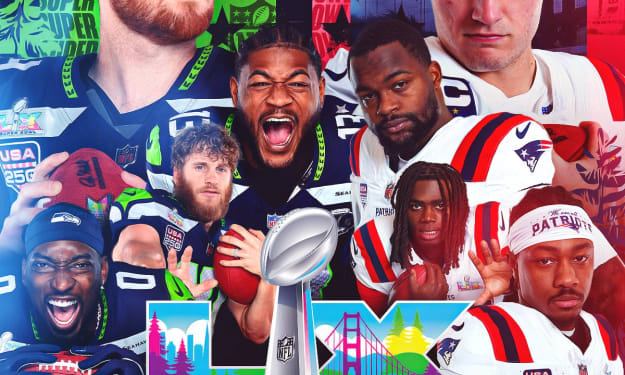
Super Bowl LX Recap: A Team Called Hawks
Sixty. The Super Bowl turned 60! Still amazes me that this was the sixtieth Super Bowl played in NFL history. It seems like yesterday that I watched Super Bowl XXVII, the first SB I ever watched. The QB who won Super Bowl XXVII has since called a few SBs, and will call next year's game, but that's another story. Super Bowl LX took place at Levi's Stadium in Santa Clara, California, the home stadium of the San Francisco 49ers. However, it was one of their division foes who represented the NFC, as the Seattle Seahawks faced off against the New England Patriots.
By Clyde E. Dawkins3 days ago in Unbalanced



Comments
There are no comments for this story
Be the first to respond and start the conversation.