
WHAT IS DEPRESION?
"Exploring the Emotional and Psychological impact of Depression"

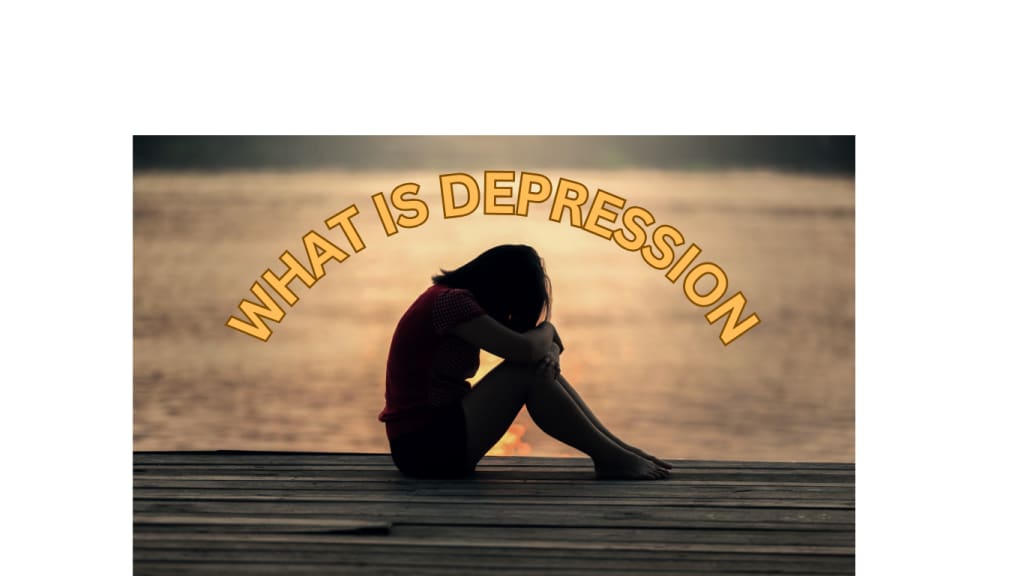
Depression stands as the foremost cause of disability worldwide. In the United States, nearly 10% of adults are grappling with this condition. However, understanding depression can be more complex than grasping something like high cholesterol, primarily because it’s classified as a mental illness.
A key area of confusion often arises between experiencing depression and merely feeling sad from time to time. Most people encounter moments of sadness, triggered by events like receiving a poor grade, losing a job, having a disagreement, or even a gloomy day. Sometimes, those feelings emerge unexpectedly without any clear cause. Fortunately, for many, as situations shift, those feelings of sadness fade away.
In contrast, clinical depression is a different matter altogether. It is a recognized medical disorder that persists far beyond temporary feelings of sadness. This condition can last for two weeks or more and deeply disrupts day-to-day functioning—impacting one’s ability to work, enjoy leisure activities, or maintain relationships.
Depression manifests in various ways, including:
- a persistent low mood,
- losing interest in activities you once found enjoyable,
- changes in appetite,
- feelings of worthlessness or excessive guilt,
- disrupted sleep patterns, whether that means sleeping too much or too little,
- difficulty concentrating,
- restlessness or a noticeable slowing down,
- a general loss of energy,
- or even recurring thoughts of suicide.
According to psychiatric guidelines, experiencing at least five of these symptoms may indicate a diagnosis of depression. It's important to note that depression isn't just reflected in behaviors; it has tangible effects within the brain itself.
For instance, observable changes can include reduced size in areas like the frontal lobes and hippocampus. On a more microscopic level, depression is linked to several factors: irregular transmission or deficiency of key neurotransmitters, particularly serotonin, norepinephrine, and dopamine, along with disrupted circadian rhythms.
Changes in the REM and slow-wave phases of the sleep cycle, alongside hormone imbalances like elevated cortisol levels and thyroid dysfunction, can play a role in depression. However, researchers are still piecing together the full puzzle of what causes this condition. It appears to stem from a complex interplay between genetic and environmental factors, yet we lack a reliable diagnostic tool to pinpoint when and where depression might arise.
Since the symptoms of depression can be so subtle, it’s often challenging to identify those who seem alright on the surface but might be battling their own struggles. The National Institute of Mental Health reports that, on average, individuals dealing with mental health issues wait over a decade before seeking help. Fortunately, there are numerous effective treatments available. A combination of medication and therapy can significantly improve brain chemistry. In more severe cases, electroconvulsive therapy—which induces a controlled seizure—can be extremely beneficial. Additionally, emerging treatments like transcranial magnetic stimulation are being researched for their potential.
If someone you care about is facing depression, it’s important to encourage them, gently, to explore these treatment options. You might offer support with practical tasks, such as researching local therapists or helping them compile a list of questions for their doctor. For many dealing with depression, even these small steps can feel overwhelming. If feelings of guilt or shame arise, remind them that depression is a medical condition like asthma or diabetes—it's not a weakness or personal failing, and one shouldn’t expect to simply “get over” it as they would a common cold.
If you haven’t experienced depression personally, it’s best to avoid making comparisons to your own moments of sadness. Doing so can inadvertently amplify feelings of guilt in those who are suffering. Initiating open conversations about depression can also be beneficial. Research suggests that openly discussing suicidal thoughts may actually decrease the risk of suicide. Creating a dialogue about mental health helps reduce stigma and makes it easier for individuals to seek help. As more people reach out for support, the understanding of depression will deepen, paving the way for improved treatments in the future.
About the Creator
Businesses Where AI Does Most of the Work
The idea of a side business used to mean late nights, endless hustle, and doing everything yourself. Today, artificial intelligence has changed the rules. With the right setup, you can start a side business where AI handles most of the heavy lifting—content creation, analysis, customer interaction, and even basic decision-making—while you focus on strategy and growth.
By Anthony Bahamonde3 days ago in Education
Growth Mindset Strategies for Personal Development
A growth mindset is a way of thinking that helps people learn, adapt, and improve. It is the belief that skills and abilities can grow with effort, practice, and patience. This belief shapes how people face challenges, handle feedback, and respond to setbacks. Growth mindset strategies for personal development focus on daily actions and attitudes that support steady progress. These strategies help people feel more confident and capable over time.
By Jeb Kratzig4 days ago in Education


Comments (1)
Educative😻