
What is bipolar disorder and how can it be managed effectively?
bipolar disorder
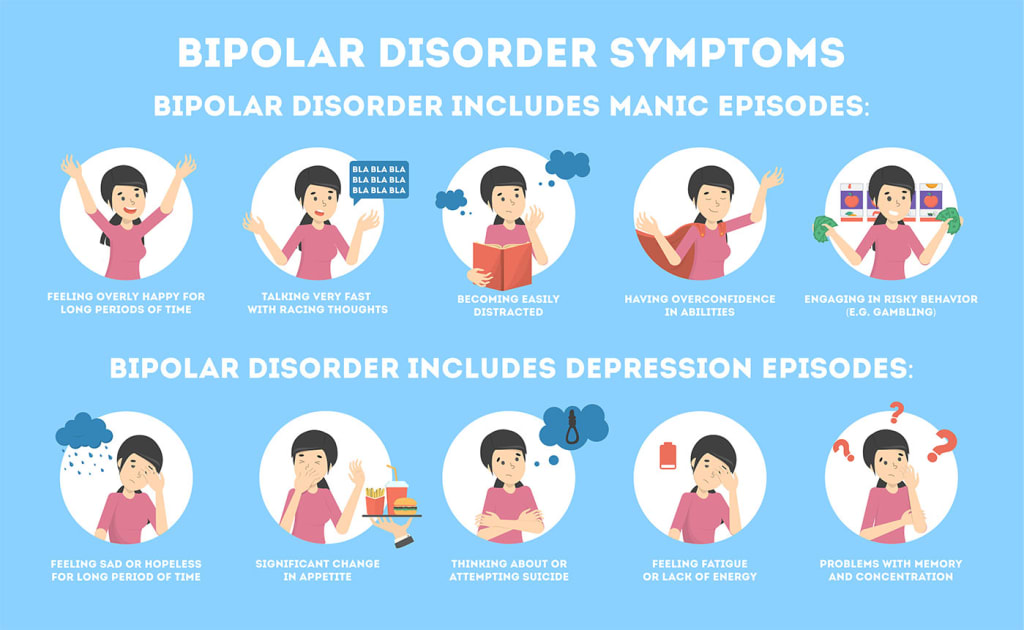
Bipolar disorder, once called manic-depressive illness, is a long-term mental health condition marked by extreme changes in mood, energy, thinking, and behavior. People with bipolar disorder go through episodes of mania or hypomania (high mood, high energy, impulsiveness) and depression (low mood, tiredness, hopelessness), often switching between these states unpredictably.
Bipolar disorder affects about 1 to 2% of the global population and can greatly disrupt relationships, education, work, and overall quality of life. However, with proper diagnosis, treatment, and support, individuals can lead healthy, stable, and fulfilling lives.
Understanding Bipolar Disorder
Bipolar disorder mainly involves an imbalance in mood and energy. These shifts are more than just the usual highs and lows of everyday emotions; they are intense, prolonged episodes that affect daily life.
There are different types of bipolar disorder, including:
1. **Bipolar I Disorder:**
This includes at least one manic episode lasting seven days or more, often severe enough to require hospitalization. Depressive episodes usually follow and last at least two weeks.
2. **Bipolar II Disorder:**
This features one or more major depressive episodes and at least one hypomanic episode (a milder form of mania). Hypomania doesn’t cause psychosis or hospitalization but is noticeable to others.
3. **Cyclothymic Disorder (Cyclothymia):**
This is a milder type of bipolar disorder with ongoing mood swings that don’t fully meet the criteria for mania or major depression but last for at least two years.
4. **Other Specified and Unspecified Bipolar Disorders:**
These include symptoms of bipolar disorder that don’t fit neatly into the categories above but still cause significant distress or problems.
Symptoms of Bipolar Disorder
**Manic or Hypomanic Episodes May Include:**
- Elevated, euphoric, or irritable mood
- Increased energy and activity levels
- Inflated self-esteem or grandiosity
- Decreased need for sleep (for instance, feeling rested after 2 to 3 hours)
- Talkativeness or rapid speech
- Racing thoughts
- Distractibility
- Impulsive behavior (such as spending sprees or risky sexual behavior)
- Poor judgment and decision-making
During manic episodes, these behaviors can become so extreme that they can lead to job loss, damaged relationships, or hospitalization.
**Depressive Episodes May Include:**
- Persistent sadness, hopelessness, or emptiness
- Loss of interest in activities once enjoyed
- Tiredness or low energy
- Difficulty concentrating
- Sleep issues (insomnia or sleeping too much)
- Appetite and weight changes
- Feelings of guilt or worthlessness
- Thoughts of death or suicide
Some people may have mixed episodes, showing signs of both depression and mania at the same time. This can be especially distressing and dangerous.
Causes and Risk Factors
While we don’t fully understand what causes bipolar disorder, it likely arises from a combination of:
- **Genetics:** Family history is one of the strongest risk factors. Close relatives of those with bipolar disorder have a higher risk.
- **Biological differences:** Changes in brain structure and imbalances in neurotransmitters (especially dopamine and serotonin) play a role.
- **Environmental factors:** Stress, trauma, substance abuse, and major life changes may trigger episodes.
- **Sleep disruptions:** Irregular sleep patterns can both signal a problem and potentially cause episodes.
Diagnosis
Finding out if someone has bipolar disorder involves a thorough mental health evaluation. Because bipolar symptoms can mimic other conditions (like major depression, ADHD, or anxiety disorders), it’s important for individuals to share the full range of their mood experiences, including any elevated or irritable phases.
Sometimes, a diagnosis can take a while, especially if a person first seeks help during a depressive episode, as manic symptoms may not be evident or shared.
Treatment and Management
Bipolar disorder is a lifelong illness that needs ongoing treatment. The most effective plan includes a mix of medications, therapy, lifestyle changes, and social support.
1. **Medication**
Medications are key in managing bipolar disorder and preventing relapse. These include:
- **Mood stabilizers:** Lithium is the standard treatment for bipolar disorder, known to lessen the frequency and intensity of mood swings.
- **Anticonvulsants:** Medications like valproate, carbamazepine, and lamotrigine are often used as mood stabilizers.
- **Antipsychotics:** These help during manic or mixed episodes or when psychotic symptoms appear. Examples are olanzapine, risperidone, and quetiapine.
- **Antidepressants:** These need to be used cautiously and usually alongside a mood stabilizer, as they can trigger mania in some people.
It’s important to stick to the prescribed medication plan and see a psychiatrist regularly since finding the right medication and dosage may take time.
2. **Psychotherapy**
Therapy works alongside medication by helping individuals understand their illness, manage stress, and develop coping skills.
- **Cognitive Behavioral Therapy (CBT):** This helps individuals challenge harmful thoughts and change behaviors that may lead to episodes.
- **Psychoeducation:** Involves learning about the disorder, identifying early signs of mood changes, and creating a crisis plan.
- **Interpersonal and Social Rhythm Therapy (IPSRT):** Focuses on stabilizing daily routines and improving personal relationships.
- **Family-Focused Therapy:** Helps families comprehend the disorder and learn ways to support their loved one through healthy communication and conflict resolution.
3. **Lifestyle and Self-Management**
Daily habits play a vital role in long-term stability. Those with bipolar disorder can benefit from:
- **Regular sleep schedule:** Sleep issues can trigger mood shifts.
- **Consistent daily routine:** This helps stabilize biological rhythms.
- **Stress management techniques:** These include mindfulness, yoga, journaling, or deep breathing exercises.
- **Avoiding alcohol and drugs:** These can interfere with medications and cause episodes.
- **Monitoring mood changes:** Keeping a mood journal or using apps to track symptoms can help recognize patterns.
- **Healthy diet and regular exercise:** Both contribute to mental and physical health.
Long-Term Outlook
With proper treatment, many individuals with bipolar disorder achieve significant recovery and live fulfilling lives. However, it’s common to face relapses, especially if treatment stops. Keys to managing bipolar disorder long-term include:
- Sticking to medication
- Regular psychiatric and therapy check-ins
- Being aware of early warning signs
- Having a strong support network
- Managing lifestyle proactively
It’s also important to address other conditions like anxiety, substance use, or ADHD, which can complicate treatment.
Challenges and Stigma
Even though bipolar disorder can be treated, it often comes with considerable stigma. Misunderstandings, such as calling people with bipolar “crazy” or “dangerous,” can lead to shame and social isolation. Education and open discussions are crucial to reducing stigma and encouraging individuals to seek help without fear.
Supporting a Loved One
If someone you care about has bipolar disorder:
- Be patient and supportive without enabling unhealthy behaviors.
- Learn about the disorder.
- Encourage them to stick to medication and therapy.
- Recognize signs of a relapse.
- Respect their independence while being ready to help in a crisis.
- Set boundaries for your own well-being.
Myth vs. Fact
**Myth:** “People with bipolar disorder are always unpredictable and dangerous.”
**Fact:** Most people with bipolar disorder are not violent. With treatment, many lead stable lives.
**Myth:** “Bipolar disorder is just mood swings.”
**Fact:** Bipolar disorder includes intense, prolonged mood episodes, not normal emotional changes.
**Myth:** “You can stop taking medication once you feel better.”
**Fact:** Stopping medication can lead to relapse and severe episodes.
Finding Hope
Receiving a diagnosis of bipolar disorder can be daunting, but it doesn’t mean life is over. Many people with bipolar disorder become successful in their careers, art, parenting, and leadership. The key is acceptance, consistent treatment, support, and the belief that stability is attainable.
You are not defined by your diagnosis; you are a person with challenges, strengths, and the ability to thrive.
If you or someone you care about is living with bipolar disorder, don’t hesitate to seek professional help and take steps toward wellness.
Visit: https://www.delhimindclinic.com/
https://www.craftcmsdeveloper.in/ - Feel free to reach out if you'd like to make changes to your Craft website or simply talk about your Craft project. I'm available for a free consultation!
Let me know when you'd like to move on to Question 4 of 10, or if you'd rather have a document with all questions together.
About the Creator
Keep reading
More stories from Naveen Garg and writers in Education and other communities.
What is depression and how can it be treated effectively?
Depression is a common but serious mental health condition that changes how a person thinks, feels, and behaves. It is more than just temporary sadness or feeling "blue." Depression can have a deep impact on all areas of life, including work, relationships, physical health, and overall well-being. It’s important to know that depression isn’t a sign of weakness or a flaw in character. Instead, it is a medical condition that can affect anyone, regardless of age, background, or lifestyle.
By Naveen Garg6 months ago in Education
Why Do We Dream?
In the third millenium BCE, Mesopotamian kings recorded and interpreted their dreams on wax tablets. A thousand years later, Ancient Egyptians wrote a dream book listing over a hundred common dreams and their meanings. And in the years since, we haven't paused in our quest to understand why we dream. So, after a great deal of scientific research, technological advancement, and persistence, we still don't have any definite answers, but we have some interesting theories. We dream to fulfill our wishes.
By Munesh Yadava day ago in Education
The $73,000 Text Message That Changed Everything
"Just realized I missed the quarterly payment deadline by one day. How bad is this?" I stared at the message, knowing I was about to deliver devastating news. My client—a successful entrepreneur who built his tech consulting firm from zero to $3.2 million in annual revenue—had just cost himself $73,000.
By Nth Degree Tax4 days ago in Education



Comments
There are no comments for this story
Be the first to respond and start the conversation.