
What is a Two Column Resume? Benefits, Tips, and Best Practices
What is a Two Column Resume? Benefits, Tips, and Best Practices

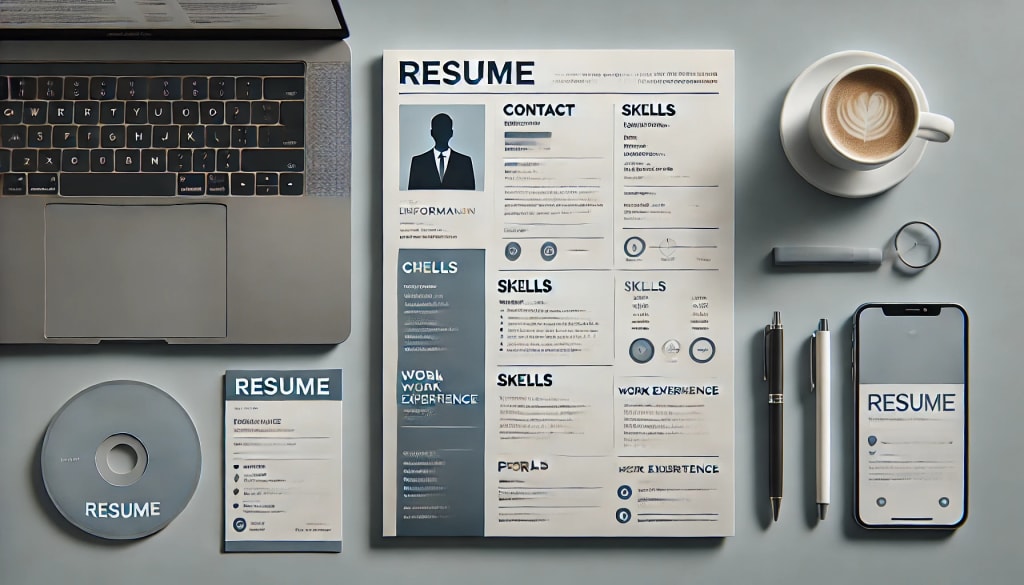
A Two Column Resume splits your info into two sections side by side. This design uses space better and looks more modern than old-style resumes. It helps hiring managers find your key skills faster. The format stands out from other resumes in a stack. When done right, a Two Column Resume works with most job application systems.
The Modern Approach to Resume Design
Finding a job today is tough. You need to stand out from other job seekers. Hiring managers spend only seconds looking at each resume. Your resume layout can help you get noticed.
The two column resume offers a fresh approach. It lets you show your skills in a clean, modern way. This format is gaining fans across many job fields.
Gone are the days when plain, text-heavy resumes were the only option. Today's job market calls for better ways to present yourself. The easy resume format of two columns is perfect for this need. But what exactly is a Two Column Resume? Is it right for your job search? This guide will answer all your questions.
What Is a Two Column Resume?
The Two Column Resume is a modern take on the classic resume format. It gives you more room to show your skills without adding extra pages. This style helps you organize your info in a way that catches the eye right away.
Definition and Basic Structure
A Two Column Resume divides your info into two vertical sections. This differs from old-style resumes that list everything in one column from top to bottom.
Most often, the left (narrower) column holds your contact info, skills, and education. The right (wider) column shows your work history and key achievements. This layout makes it easier for employers to scan your qualifications.
How It Differs from Traditional Resume Formats
The single-column resume follows a simple top-to-bottom flow. This style is basic but can become too long and boring to read.
A Two Column Resume offers many benefits. It fits more info on one page. It creates clear sections for different types of info. It allows for more modern design touches. It lets you highlight certain sections better. It gives your resume a fresh, current look.
Benefits of Using a Two Column Resume
The two-column format offers several key advantages for today's job seekers. It creates a visual impact that traditional resumes simply can't match. Many hiring managers prefer this format because it makes their job easier.
Improved Visual Appeal and Readability
Two Column Resumes simply look better. The balanced layout is pleasing to the eye. It creates more white space, so your resume doesn't look cramped.
Better looks aren't just about being pretty. They serve a purpose. Hiring managers can spot key info without reading walls of text. The clear sections guide them to your best qualifications.
Efficient Use of Space
Many job seekers struggle to fit their career info on one page. A two-column format solves this problem. You can include more details without adding extra pages.
This helps you follow the one-page rule that many recruiters prefer. It's perfect for early and mid-career pros who need to show their value without being too wordy.
Highlighting Key Information Strategically
The two-column layout creates natural focus points on your resume. You can place your best skills and achievements where they'll be seen first.
For example, a tech worker might put coding skills at the top of the left column. Someone focused on career growth might highlight work history in the right column. You can adjust the layout based on your strengths and the job you want.
Standing Out from the Competition
A good Two Column Resume catches the eye in a stack of plain resumes. This edge matters when jobs get hundreds of applicants.
But standing out doesn't mean being flashy. The two-column format shows you're modern and detail-oriented without going overboard. It's a subtle way to make a good first impression.
Potential Challenges and How to Overcome Them
Every resume format comes with its own set of challenges to navigate. The good news is that these issues are easy to solve with a few simple tricks. Most concerns about Two Column Resumes are based on outdated information.
ATS Compatibility Concerns
Many companies use Applicant Tracking Systems (ATS) to scan resumes. Some people worry that two-column formats might not work with these systems.
The good news is most modern ATS can handle two-column layouts. Creating an ATS-friendly resume with two columns is possible with a few simple steps. To stay safe with ATS systems, keep a few tips in mind. Use standard section titles like "Experience," "Education," and "Skills." Avoid text boxes and complex design elements. Use common fonts like Arial or Calibri. Save as PDF but keep a plain text version handy. Test your resume with an ATS checker before applying.
Balancing Design with Professionalism
The two-column format offers creative options. But some fields still prefer more formal resume styles.
To keep your resume professional, follow these tips:
- Use colors sparingly
- Keep formatting consistent
- Choose clean, easy-to-read fonts
- Maintain good margins and spacing
- Let your content shine more than fancy design
When to Use a Two Column Resume
Timing is everything when deciding on the right resume format for your needs. Different job fields have different expectations about resume styles. Your career stage also plays a role in which format works best.
Industry Appropriateness
Two column resume formats work great in creative fields, tech, marketing, and design. These industries value fresh ideas and visual skills. The easy resume format with two columns shows you're current with modern trends.
Even in more traditional fields, a simple two-column design can work well. Research companies in your field. If they seem modern and forward-thinking, a Two Column Resume will likely fit their style.
Career Level Considerations
Early to mid-career pros benefit most from Two Column Resumes. They need to show skills and experience without using too many pages.
Entry-level job seekers can use this format to fill space nicely. They can highlight education, internships, and skills. Senior execs with long careers can use it to condense their many achievements.
How to Create an Effective Two Column Resume
Creating a great Two Column Resume is easier than you might think. The key is knowing what goes where for maximum impact. A few basic design rules will keep your resume looking clean and professional.
Choosing the Right Content for Each Column
What you put in each column matters. The two column resume lets you organize information in a smart way. The narrower column usually works best for certain elements. These include your contact info and skills list. You can also add languages, education, and certifications here. Awards and references fit well in this column too.
The wider column typically holds different information. Your career summary goes here. Your work history with achievements belongs in this section. You can also include major projects and volunteer work in the wider column.
This setup helps recruiters quickly find your skills while learning about your work history in the main column.
Design and Formatting Best Practices
Keep your formatting the same throughout your resume. Use the same font family everywhere. Style all section headers the same way. Use the same bullet point style when needed. Keep spacing even between sections. Apply colors in a consistent way.
Appropriate Font Selection
Choose fonts that are easy to read. Sans-serif fonts like Arial or Calibri look modern. Serif fonts like Georgia or Garamond look more traditional. Use 10-12pt for main text and 14-16pt for headings.
Effective Use of White Space
White space is the empty area between elements. It's key for readability. Don't cram too much into either column. Keep margins at least 0.5" on all sides. Space out your sections evenly. Use 1.0-1.15 line spacing so text isn't too tight.
Column Width Ratio
The best ratio for columns is about 30:70 or 40:60 (narrow to wide). This gives enough room for both your skills and your work history.
Tools for Creating Two Column Resumes
Several tools can help you make a Two Column Resume. Many offer easy resume format options that are ready to use. Microsoft Word and Google Docs have column features. Canva offers easy design tools. Resume builders like Resume.io or Zety have two-column templates. You can buy pro templates on Etsy or Creative Market.
Always customize templates to make them your own. Generic resumes don't stand out.
Examples of Effective Two Column Resumes
Sometimes seeing real examples helps more than general advice. Different fields call for different approaches to the two-column format. These case studies show how to adapt the format to your specific career path.
Case Study: Technical Professional Resume
A software developer might use the left column to list coding languages and tech skills. The right column would show project work with real results.
The left column might include several key elements. First would be coding skills like Python, Java, and JavaScript. Next would be technical abilities such as Cloud services, DevOps, and Databases. The developer would also list certifications like AWS and Google Cloud. Finally, they would include education details.
The right column would focus on different aspects. It would show work projects with specific details. It would include numbers showing impact, like 20% faster websites or $500K in savings. Team leadership roles would be highlighted here. Open source work would round out this section.
Case Study: Creative Professional Resume
A graphic designer might use the left column for software skills and training. The right column would highlight design projects and client work.
The left column could contain several important items. Design software skills like Adobe Suite and Figma would come first. Special skills such as typography and UI/UX design would follow. Education and training details would be included. Professional memberships would complete this column.
The right column would feature the designer's best work. Brand design projects for major clients would be prominent. Design campaigns with measurable results would show impact. Design awards would demonstrate excellence. Published work would add credibility.
Tips for Tailoring Your Two Column Resume
The most successful job seekers customize their resume for each position. Small tweaks can make a big difference in how your resume performs. Your resume needs to work well in both print and digital formats.
Customizing for Specific Job Applications
Always adjust your resume for each job. Here are some tips:
- Look for key skills in the job posting
- Move the most relevant info to prime spots
- Update your summary to match the role
- Highlight work that relates to the job
With a two-column layout, you can place the most relevant skills where they'll be seen first.
Mobile and Digital Readability
Many recruiters view resumes on phones or screens. Make sure your resume looks good on all devices:
- Test how it appears on phones and tablets
- Keep text big enough to read on small screens
- Avoid elements that might shift on digital devices
- Check how it looks when printed in black and white
Send yourself test copies to view on different devices before applying.
Common Mistakes to Avoid
Even small errors can hurt your chances of landing an interview. Many job seekers make the same mistakes with their Two Column Resumes. Learning what not to do is just as important as knowing what to do.
Overcrowding the Columns
Don't try to cram too much info into your columns. This defeats the purpose of a clean, scannable resume. Be picky about what you include and use clear, short phrases.
Inconsistent Formatting
Mismatched fonts, uneven spacing, or crooked elements look sloppy. Take time to align everything properly. Consistency shows attention to detail.
Poor Content Distribution
Avoid having one column very full and one nearly empty. Aim for balanced content that guides the eye through your resume in a natural way.
Focusing Too Much on Design
A pretty resume with weak content won't get you hired. Always put your job qualifications first. The design is just the frame for your professional story.
Conclusion: Making the Two-Column Format Work for You
The Two Column Resume offers a modern way to show your skills in today's job market. By organizing your info smartly and keeping the design clean, you can create a resume that stands out for the right reasons.
Your resume reflects both your work history and your attention to detail. A well-made Two Column Resume shows you can organize info clearly. This skill matters in almost every job.
Whether you work in a creative field or a corporate setting, the two-column format can help your resume get noticed. Use the tips in this guide to create a resume that gets results.
About the Creator
Keep reading
More stories from David Jone and writers in Education and other communities.
How to Make a CV That Passes Recruiter Scans
How to Make a CV That Passes Recruiter Scans: The Ultimate Guide to Getting Noticed Why Your CV Needs to Beat the System Your CV gets only six seconds to impress a recruiter. After that, they move to the next person. Most job applications never reach human eyes today. They get filtered out by computer systems or rejected during quick scans.
By David Jone8 months ago in Education
Was Alexander the great really that great?
Order, order! Who do we have on the stand today? Alexander... the Great, eh? Well, what’s so great about him? Your honor, the better question is, what's not great about him? He was the King of Macedon and considered a living demigod by Egyptians and Greeks alike. He conquered Persia when it was one of Earth's largest empires. And he was a thoughtful student of Aristotle, creative enough to untie the impossibly tight Gordian knot by cutting it in half. The Gordian knot is a myth— just like the countless other stories invented to enhance Alexander’s legend!
By Munesh Yadava day ago in Education
Taher Saifuddin: Transforming Toronto’s Classrooms with Inclusive and Future-Focused Education
In the heart of Canada’s most diverse city, Toronto educator Taher Saifuddin is quietly leading a transformation in the way learning is delivered, measured, and experienced. With over two decades of experience, Taher is recognized for his dynamic role in teaching, academic leadership, and digital innovation across Toronto’s private and independent schools.
By Dena Falken Esq7 days ago in Education
Smart phones, Humans and Aliens.
WARNING. I will be tapping into one of your favorite creative tensions: The absurdity of humans worshipping their glowing rectangles as if they were tiny oracles. There’s something deliciously poetic about that contradiction, and it lends itself beautifully to an instructive proviso.
By Novel Allen4 days ago in Poets


Comments (1)
are your write for your personal website or you give give only service to anyone