
What do psychologists do to help individuals cope with grief and loss?
Psychologists
Loss and grief are perhaps the most potent and universal human experiences. Whether one is precipitated by the death of a loved one, the loss of a relationship, a major life transition, or even loss of identity or health, grief can be experienced as overwhelming and stigmatizing. Grief is a highly individualized experience that affects individuals emotionally, cognitively, physically, and spiritually. While normal, some cannot handle how intense or long-lasting grief is, and it becomes complicated grief that intrudes on daily life. Psychologists play a key role in aiding those going through this agonizing experience, offering therapeutic intervention, coping mechanisms, and empathetic support.
Understanding Grief
Grief is not just one feeling but rather a complex set of several responses. It is often accompanied by sadness, anger, guilt, denial, and even relief or acceptance. The experience is not sequential—people will cycle through stages over and over again or feel many different feelings at once.
Emotional symptoms: sadness, anxiety, irritability, loneliness.
Cognitive symptoms: trouble concentrating, intrusive thinking, disbelief.
Physical symptoms: fatigue, sleep disturbance, appetite changes.
Behavioral symptoms: withdrawal, loss of interest in activities, crying spells.
Spiritual symptoms: challenges to beliefs, search for meaning.
Grief is personal to each person, dictated by their connection to the loss, culture, support network, and coping mechanism. Understanding and respecting that individuality is essential for effective psychological care.
The Role of Psychologists in Grief Support
Psychologists are not attempting to "wipe out" grief, but to help individuals process it in healthy ways, integrating the loss into life while moving toward healing. Functions include:
1. Establishing a Safe Environment
Psychologists offer a non-judgmental, understanding environment where individuals can feel raw emotion without fear of condemnation. Individuals frequently feel they must "get over it" within a brief period; therapy reassures them that grief is an inevitable, normal process.
2. Psychoeducation
Knowledge that there is no established time limit for grief can be liberating. Psychologists de-stigmatize emotional fluctuations and educate individuals regarding common patterns of grief, demoralizing abnormality or self-blame.
3. Emotional Processing
With talk therapy, psychologists encourage patients to feel and say things—anger, guilt, or despair—that otherwise might be suppressed. This prevents them from appearing as depression or anxiety.
4. Cognitive-Behavioral Techniques
Psychologists often use Cognitive Behavioral Therapy (CBT) to identify unhelpful thoughts such as "I should have done more" or "I will never be happy again." Challenging these attitudes leads to healthier thoughts, reducing distress.
5. Acceptance and Commitment Therapy (ACT)
This approach helps in the acceptance of painful emotions but with faithfulness to behaviors that meet their standards, i.e., resuming contact with loved ones or pursuing meaningful activities despite ongoing grieving.
6. Narrative Therapy
There is the option of therapists leading clients through a telling of their loss and reframing it into one that honors the past but provides space for the future. This transformation can turn suffering into resilience.
7. Support for Complicated Grief
Sometimes, grief turns chronic, suffocating, and debilitating and fails to improve over months or years. Psychologists identify complicated grief and act specifically, sometimes in collaboration with psychiatrists when medication is necessary.
8. Coping Skills Training
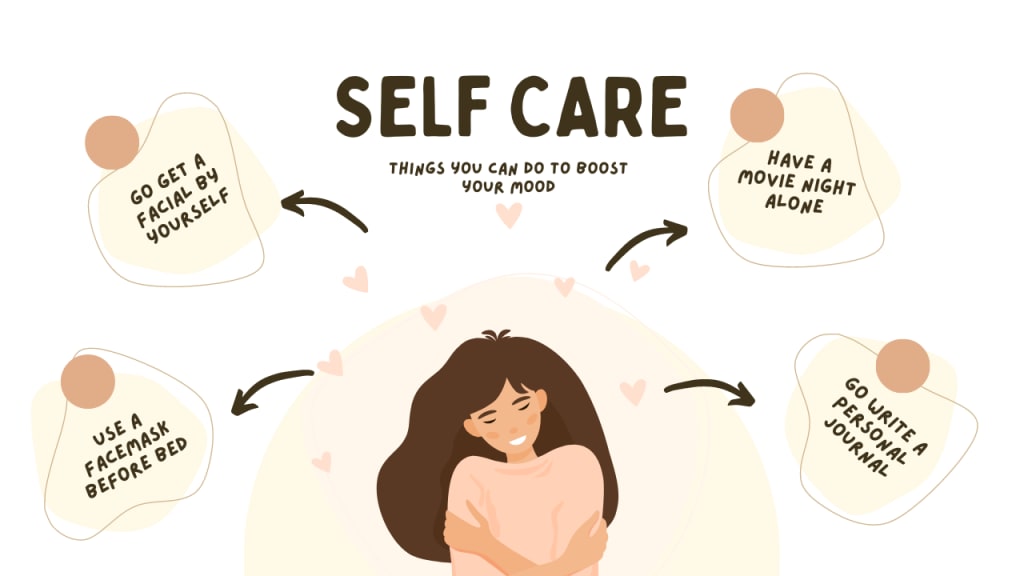
Utilitarian coping skills—e.g., journaling, mindfulness, relaxation skills, or exercise—are replicated to manage emotional overload and bodily distress.
9. Coping with Guilt and Regret
Unresolved feelings of guilt ("I should have been there") often complicate the process of grieving. Psychologists help people work through these emotions, with the hope of facilitating forgiveness and self-compassion.
10. Rebuilding Identity
Loss typically interrupts the sense of self—e.g., when one loses a spouse and partner role. Psychologists help individuals rebuild identity and purpose outside of the loss.
Everyone is likely to be aware of Elisabeth Kübler-Ross's five stages of mourning: denial, anger, bargaining, depression, and acceptance. While these stages are a helpful principle, psychologists observe that mourning is not sequential. Individuals skip stages, recycle through them, or accomplish two or more simultaneously. Therapy renders this non-linear process more palatable, removing self-blame.
Special Types of Grief
Anticipatory Grief: Seen before an expected loss, such as terminal illness. Psychologists support getting ready emotionally while meaning-making within remaining time.
Disenfranchised Grief: When society minimizes or ignores a loss (e.g., miscarriage, death of pet), psychologists validate the experience and offer recognition.
Traumatic Grief: When loss is violent or sudden, grief is stuck in trauma. Psychologists deliver trauma-informed care, supporting working through both shock and bereavement.
Collective Grief: Shared grief within populations (e.g., following natural disasters or pandemics). Group therapists may use group therapy to foster attachment and support.
Techniques of Psychologists
Mindfulness activities: Grounding individuals in the moment, ending rumination.
Guided imagery: Helping clients imagine secure or comforting environments when flooded.
Writing letters: Helping individuals write to the deceased so that they can voice unspoken emotions.
Memory work: Sustaining memories through scrapbooks, rituals, or oral history.
Group therapy: Providing comfort and support by identifying with others who have experienced loss.
Benefits of Psychological Support
Feelings acknowledged: Clients realize they are not "weak" for grieving.
Less depression/anxiety risk: Grieving working through avoid complications later on.
Better coping strategies: People learn healthier mechanisms to deal with emotional hurt.
Healthier relationships: Therapy facilitates better communication with friends and family members while grieving.
Renewed purpose: People find renewed meaning so that they can live full lives while respecting their loss.
When Is It Time to Get Professional Assistance for Grief?
Severe depression lasts over a few months without abatement.
Inability to get work, school, or everyday life done.
Continual thoughts of suicide or hopelessness.
Withdrawal from friends and family.
Substance use to deal with grief.
Early intervention may help avoid grief becoming unmanageable or devastating.
Psychologists as Companions in Healing
Grief is not "fixed." Psychologists, however, walk alongside individuals, offering care and support. They provide short-term relief and long-term living with loss competencies. The agony of grief never truly goes away, but therapy makes it more bearable, allowing life to once again be lived meaningfully.
Centers like https://www.delhimindclinic.com/
offer specialized bereavement counseling, providing professional and empathetic care for those dealing with loss.
Conclusion
Loss and mourning touch every human being, but each way is unique. Time and personal courage work for some, whereas others require professional help. Psychologists do a priceless job in making individuals honor their loss, come to terms with the sorrowful emotions, and eventually find hope after loss.
With the assistance of therapeutic strategies, coping techniques, and compassionate hearing, psychologists enable people to transform mourning into growth. Loss can create impressions in memory, but not the future. With adequate care, recovery is certain.
For compassionate grief therapy and psychological support, visit: https://www.delhimindclinic.com/
About the Creator
Keep reading
More stories from Naveen Garg and writers in Education and other communities.
How do child psychologists help anxious and emotional children?
Childhood is generally thought of as an anxiety-free stage of life, but every child has emotional and psychological issues that can leave a permanent influence on the quality of their life. Anxiety, stress, behavioral issues, and emotional problems are being increasingly embraced as core issues among youth and children. If left untreated, these conditions can disrupt learning, peer relationships, home life, and healthy development.
By Naveen Garg4 months ago in Education
Creativity vs Productivity: Finding the Right Balance for Better Results
In today's fast-paced world, the pressure to produce more and achieve faster results is constant. On the other hand, creativity, often seen as the fuel for innovation and growth, requires space, reflection, and sometimes a slower pace. These two forces, creativity and productivity, are at odds with one another. But instead of choosing one over the other, the key to better results lies in finding a balance between them. When properly managed, creativity and productivity can support each other, leading to more fulfilling work and sustainable success.
By Norman Badger7 days ago in Education




Comments
There are no comments for this story
Be the first to respond and start the conversation.