
How do child psychologists help anxious and emotional children?
Child psychologists
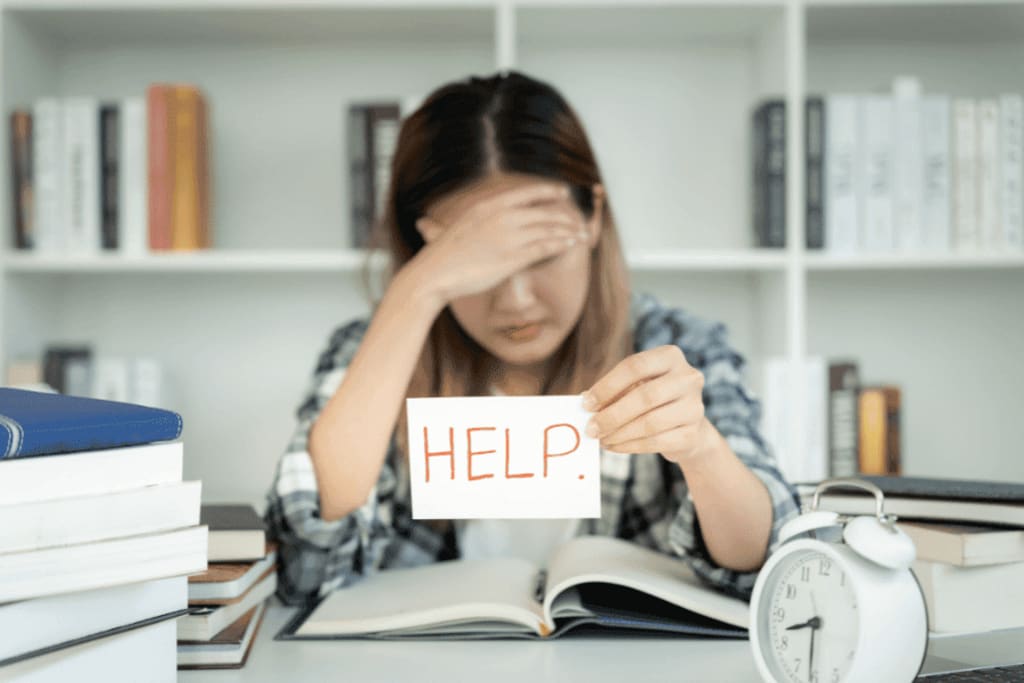
Childhood is generally thought of as an anxiety-free stage of life, but every child has emotional and psychological issues that can leave a permanent influence on the quality of their life. Anxiety, stress, behavioral issues, and emotional problems are being increasingly embraced as core issues among youth and children. If left untreated, these conditions can disrupt learning, peer relationships, home life, and healthy development.
Psychologists are a crucial support for children in coping with anxiety and emotional challenges. With tailored assessment instruments, developmentally appropriate treatment approaches, and collaboration with families and schools, they offer a secure environment in which children feel safe to talk about their feelings, acquire coping skills, and develop resilience. Their treatments not only alleviate current distress but also set the stage for future healthier emotional development.
Understanding Childhood Anxiety and Emotional Difficulties
It is to be expected that children at times feel fear, worry, or sadness. When these feelings are excessive, long-lasting, or interfere with normal daily routines, there may be a hidden problem. Some of the common emotional problems include:
Anxiety disorders: Generalized anxiety, social anxiety, separation anxiety, or phobias.
Depression: Persistent sadness, loss of interest in play, or withdrawal from family and peers.
Behavioral problems: Aggression, disobedience, or not following rules.
Stress-related difficulties: Family conflict, bullying, or school pressure.
Trauma reactions: Upset following abuse, accidents, or witness to violence.
The disorders may manifest as bodily complaints (headaches, stomachaches), sleeping or eating disturbances, school avoidance, or tantrums. Early detection is crucial for early intervention.
The Role of Psychologists in Helping Children
1. Specialized Assessment
Psychologists use child-friendly assessments such as drawings, play testing, and structured interviews to determine the emotional condition of a child. They also interview carers, teachers, and parents to obtain a clear idea about the problems faced by the child.
2. Creating a Safe Environment
Children may struggle to articulate their feelings, especially if they fear judgment or punishment. Psychologists provide a safe, supportive space where children feel comfortable expressing worries through play, storytelling, or creative activities.
3. Play Therapy and Creative Techniques
Play is the native language of children. Play therapy, artwork, music, or role-playing are used by psychologists to allow children to convey complex emotions indirectly. Through these methods, children reveal concealed fears or frustrations and acquire suitable coping skills gradually.
4. Cognitive Behavioral Therapy (CBT) for Children
CBT works well in children with anxiety. Unhelpful thinking patterns ("I will fail the test," "Nobody likes me") are identified and replaced with realistic, helpful ones by psychologists. Children learn relaxation skills and problem-solving skills to cope with anxiety.
5. Teaching Coping Skills
Children are taught skills such as deep breathing, progressive muscle relaxation, journaling, and mindfulness training. Such skills help them manage anxiety within ordinary situations, for instance, exams or social situations.
6. Parent Involvement
Parents are the treatment allies as well. Psychologists provide recommendations regarding good parenting skills, communication, and emotional care. They help parents respond with empathy rather than punishment to a child's challenge.
7. School Collaboration
Various emotional issues emerge or escalate in school environments. Psychologists often collaborate with teachers to develop classroom intervention, accommodations, or behavior plans that enable a child to learn and cope with his or her emotional requirements.
8. Trauma-Informed Care
For children exposed to trauma, psychologists offer trauma-informed therapies that help the child incorporate painful memories in a secure and gradual manner. Narrative therapy or EMDR (child-sensitive) can be helpful.
9. Building Resilience and Self-Esteem
Along with reducing symptoms, therapy includes strengthening. Children are taught by psychologists to recognize strengths, celebrate small successes, and gain confidence, which acts as a buffer against subsequent stress.
Common Obstacles in Assisting Children
Stigma and Misunderstanding: Parents may view anxiety as "attention-seeking" or "bad behavior." Psychologists work to educate families about child mental health reality.
Communication Barriers: Children may lack vocabulary for feelings. Play and creative therapies cross the communication gap.
Parental Resistance: Parents may be defensive or guilty. Psychologists enter with empathy, with an emphasis on shared goals for the child's well-being.
Co-occurring Conditions: Anxiety may occur alongside ADHD, autism spectrum disorder, or learning disabilities, where integrated approaches are required.
Methods Psychologists Employ
Relaxation Training: Teaching children to work with calm reactions in stressful situations.
Exposure Therapy: Gradual exposure of children to the feared scenarios, such as sleeping alone or public speaking.
Emotion Coaching: Teaching children to recognize and understand their feelings.
Behavioral Reinforcement: Rewarding positive actions.
Storytelling and Role-Play: Helping children overcome fears in pretend scenarios.
Benefits of Psychological Support
Reduced Anxiety and Emotional Distress: Less worrying, fear, and meltdowns for kids.
Improved Coping Skills: Healthy stress management skills for a lifetime.
Increased Family Bonds: Improved communication and less arguing at home.
Better Academic Achievement: Improved concentration, attendance, and engagement at school.
Increased Self-Confidence: Enhanced sense of self-worth and resilience.
Healthy Emotional Development: Skills that prevent later mental illness.
When Should Parents Seek Help?
Parents should visit a psychologist if the child:
Worries excessively or stays home from school and avoids social situations.
Continuously has nightmares, tummy aches, or headaches with no medical cause.
Suddenly changes behavior, is moody, or gets worse academically.
Pulls away from family and friends.
Demonstrates aggression, defiance, or ongoing tantrums.
Early intervention is extremely important. Psychologists can provide short-term relief and long-term emotional resilience.
Psychologists as Partners in a Child's Development
Psychologists do not merely treat symptoms; they help children and families grow. By being emotionally supportive, teaching life skills, and aiding parents, psychologists make children feel heard and empowered. Therapy fosters not just recovery but also long-term wellness.
Centers like https://www.delhimindclinic.com/
offers expert child psychology services, combining professional competence with compassionate care to help young people overcome anxiety and emotional issues.
Conclusion
Child anxiety and emotional problems can significantly impact a child's progress, but with proper psychological interventions, recovery and improvement are possible. Psychologists provide safe environments, art-based therapies, coping mechanisms, and family therapy that enable children to deal with adversity. Early intervention of such problems develops resilience, boosts self-esteem, and sets the stage for wholesome mental growth throughout life.
Parents who come forward for their children's assistance take a crucial step towards ensuring not only temporary relief but also a brighter and healthier tomorrow.
For professional psychological help for children, visit: https://www.delhimindclinic.com/
About the Creator
Keep reading
More stories from Naveen Garg and writers in Education and other communities.
How do psychologists assist individuals with post-traumatic stress disorder (PTSD)?
Post-traumatic stress disorder (PTSD) is a mental health condition that can arise after an individual experiences or witnesses a severely disturbing or life-threatening event. Trauma due to natural disasters, serious accidents, physical or sexual assault, combat, or childhood abuse can cause people to have long-lasting emotional scars. PTSD is not a sign of weakness, but rather the brain and body's response to overwhleming stress.
By Naveen Garg4 months ago in Education
SEO Education: 5 Steps to Start a Career in SEO
Is SEO still worth learning? Where should you start? It’s a fair question. And it comes up almost daily. Google updates feel constant. AI shows up directly in search results. Advice from three years ago already looks shaky. For someone new, SEO can feel unstable, maybe even risky as a career bet.
By Iryna Podliesna6 days ago in Education
Invisible Radiation in Everyday Life
We live in a world powered by invisible signals. From the moment you wake up and check your phone, to working on a laptop, connecting to WiFi, using Bluetooth earbuds, or scrolling before bed—your body is constantly surrounded by electromagnetic fields (EMFs). They’re an unavoidable part of modern life, yet most people rarely stop to think about how continuous exposure may affect their energy, sleep, focus, and overall well-being.
By Inamullah Momand 5 days ago in Education
Wild Card Weekend Recap: What Happens Now?
I think I figured out why I love Wild Card Weekend so much. It's because it's the first playoff anything of the calendar year. The NFL season starts in the fall, and once upon a time, the champion was crowned either on or slightly before New Year's. The evolution of the NFL schedule has resulted in the playoffs starting just into the New Year, and currently, the final week of the season falls on the first weekend of the New Year, with Wild Card Weekend coming a week after that. So yes, chronologically, the NFL's Wild Card Weekend serves as the first playoff anything of the calendar year.
By Clyde E. Dawkins6 days ago in Unbalanced




Comments
There are no comments for this story
Be the first to respond and start the conversation.