
What causes cavities?
The human struggle with cavities

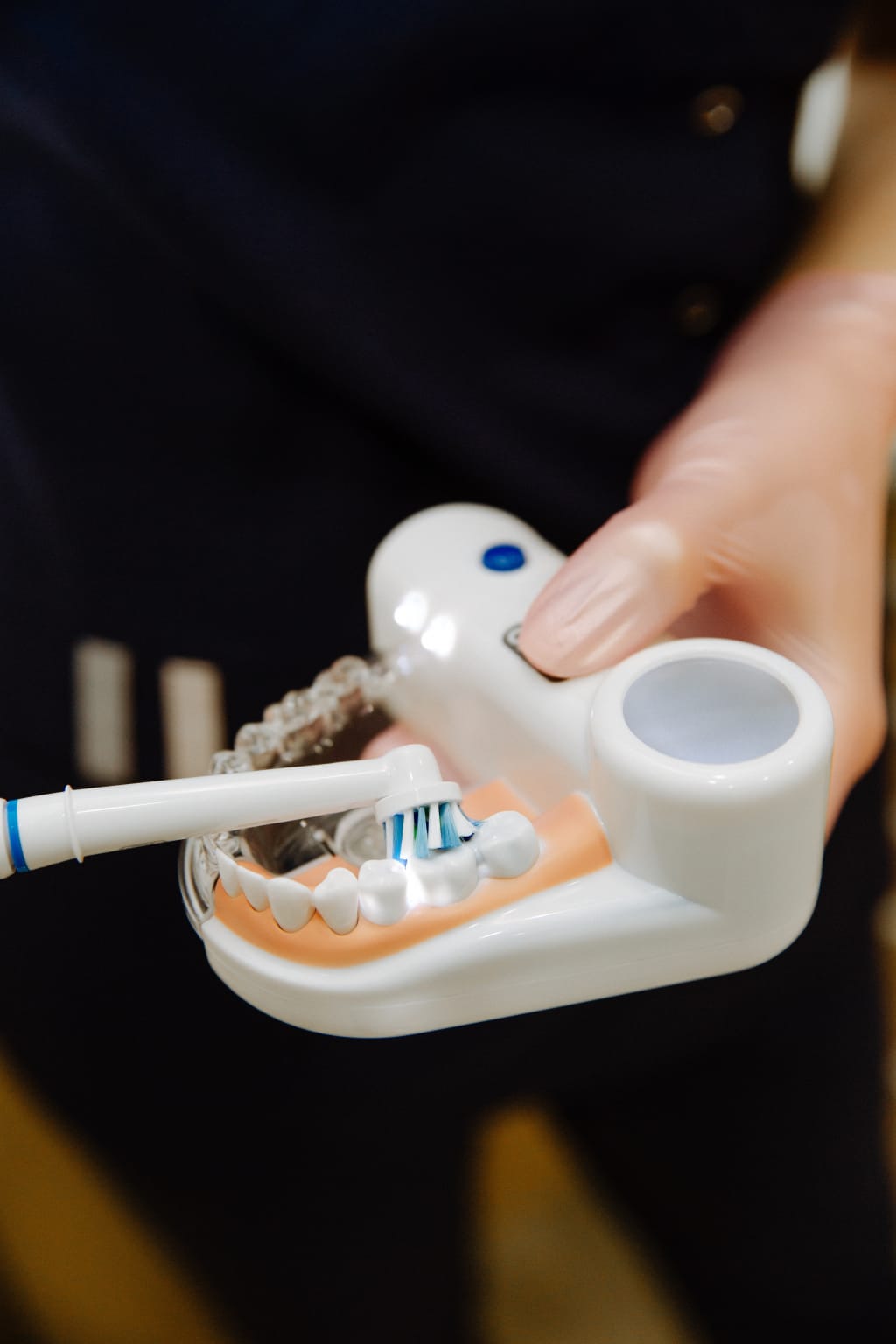
When group of archaeologists were in search of artifacts they came upon some 15,000 year-old human remains, they discovered an interesting finding. The ancient humans' teeth were riddled with holes which ere caused by cavities. Their cavities were caused by the same thing that still afflicts us now, small microorganisms that dwell in our mouths.
These microorganisms enter our bodies shortly after birth. We usually get them from our mothers' mouths as babies. As our teeth grow, they naturally begin to accumulate bacterial colonies.
Certain microorganisms can overpopulate and produce cavities depending on what we eat, notably how much sugar we ingest. Sugary diets result in an expansion of microorganisms. In our mouths, these bacteria are known as streptococci mutans. These microbes, like humans, adore sugar and use it as a molecular building block and energy source. The bacteria produce byproducts in the form of acids, such as lactic acid, as they consume it. Mutans streptococci are resistant to this acid, but our teeth are not. While each human tooth has a tough, protective covering of enamel, it is no match for acid. This deteriorates the armor over time, removing its calcium minerals.
Acid gradually erodes a passage for bacteria into the dentin, the secondary layer of the tooth. Because our teeth contain blood arteries and nerves deep beneath, the enlarging cavity doesn't hurt at this point. However, if the dentin is damaged, the bacterial invasion progresses, producing severe pain as the nerves become exposed. Without treatment, the entire tooth may become infected and need to be out, all because of those sugar-loving germs. The more sugar there is in our diet, the more at risk our teeth are.
Those cavemen would not have eaten sugary delicacies, so what caused their cavities? Because lean meat has relatively little sugar, there would have been a reduced danger of cavities developing in meat-heavy diets, but that's not all our early human predecessors ate. Root vegetables, nuts, and cereals, all of which contain carbs, would also have been ingested by cavemen. Carbohydrates are broken down into simpler sugars when exposed to saliva enzymes, which can become food for those voracious mouth bacteria. While ancient humans ate less sugar than we do, their teeth were nevertheless exposed to sweets. That doesn't mean they couldn't get their cavities filled. Archaeological evidence suggests that people were already using sharpened flint to remove fragments of rotting teeth some 14,000 years ago.
Ancient humans even used primitive drills to smooth out the jagged holes left behind and beeswax to seal cavities, similar to modern-day fillings. We now have far more advanced approaches and instruments, which is wonderful since we also have to cope with our more harmful, sugar-guzzling habits.
Because of technical developments that made refined sugar cheaper and more available after the Industrial Revolution, the human prevalence of cavities skyrocketed. Currently, 92% of American people have cavities in their teeth.
Some people are more susceptible to cavities due to genes that may cause certain weaknesses, like softer enamel, but for most, high sugar consumption is to blame. However, we have developed other ways of minimizing cavities besides reducing our intake of sugar and starch. In most toothpastes and many water supplies, we use tiny amounts of fluoride.
This strengthens teeth and promotes the formation of enamel crystals, which increase a tooth's acid defenses. When cavities do form, tooth fillings are used to fill and block off the affected region, preventing it from worsening.
The easiest approach to avoid a cavity is to limit your sugar intake and practice proper dental hygiene. To get rid of the germs and their food supplies. This involves cleaning and flossing your teeth on a regular basis, as well as avoiding sugary, starchy, and sticky foods that adhere to your teeth between meals. The number of sugar-loving bacteria in your mouth will gradually decrease. Unlike the cavemen of yore, we now have the information needed to avoid a catastrophic disaster. All we have to do now is put it to use.
About the Creator
Adrian Malcolm
I enjoy sharing informative and helpful content on the internet. Adrian Malcolm is an enthusiast in new technology, and I'm interested in sharing information with others.
Keep reading
More stories from Adrian Malcolm and writers in Education and other communities.
The human body: 10 shocking facts you probably didn't knew
10 fascinating facts about the human body you probably didn't know. If you loved science in school, let's face it, only a select few of us had the stomach to memorize all the scientific information back then. However, today's topic will be simpler to understand and much more exciting. Below are 10 surprising facts about your body. They may still be difficult to swallow and digest, but you will be eager to learn about them. continue to read;
By Adrian Malcolm3 years ago in Education
Blue Gold The Quiet Revolution of Bangladesh Aquaculture in 2026
Bangladesh is often described as a land of rivers, but in 2026, it is more accurately described as a global leader in the "Blue Revolution." For decades, fish has been the primary source of animal protein for the Bangladeshi population encapsulated in the famous proverb "Mache Bhate Bangali" (Fish and rice make a Bengali). However, what was once a subsistence activity has transformed into a sophisticated, multi-billion dollar commercial industry. As we move through 2026, Bangladesh stands as one of the top five global producers of inland aquaculture, contributing significantly to its GDP and providing livelihoods for millions. Yet, this success is at a critical crossroads, facing the dual pressures of climate change and the complexities of graduating from the Least Developed Country (LDC) status.
By Neeraj kumar6 days ago in Education




Comments
There are no comments for this story
Be the first to respond and start the conversation.