
What are the early warning signs of schizophrenia and how can it be treated?
signs of schizophrenia
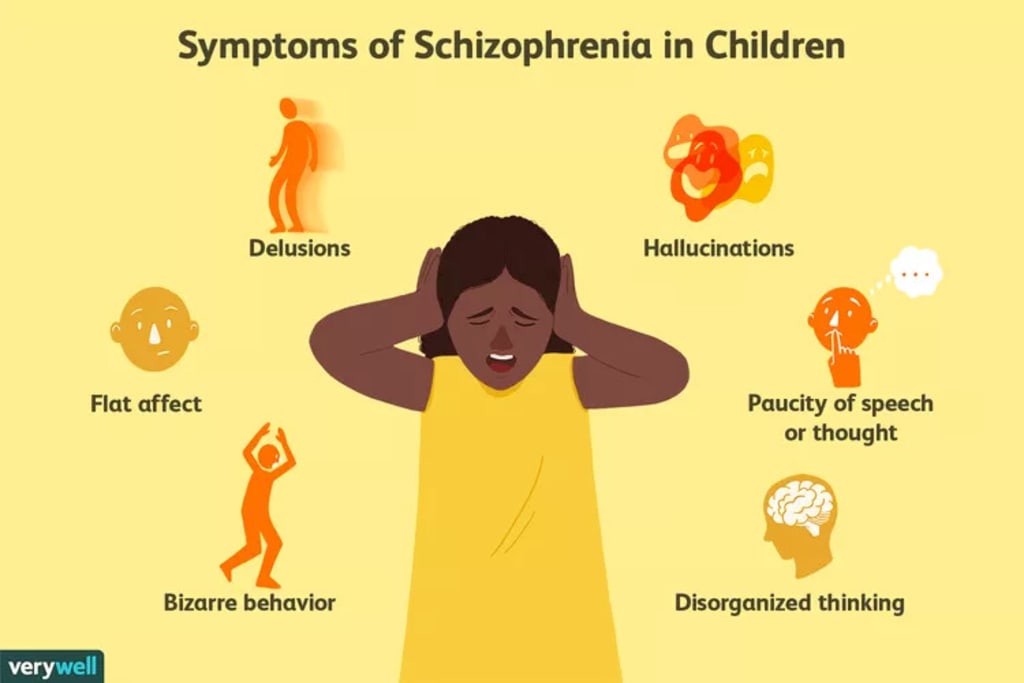
Schizophrenia is a complicated, long-term mental health disorder that alters how a person thinks, feels, and acts. It is a serious condition that can greatly impact daily life if not treated early. Contrary to popular beliefs, schizophrenia does not involve having a "split personality" or being consistently violent. The key to dealing with schizophrenia is recognizing symptoms early, creating a solid treatment plan, and providing ongoing support.
Understanding Schizophrenia
Schizophrenia usually starts in late adolescence or early adulthood, typically between ages 16 and 30. It affects about 1% of the global population and is one of the most disabling psychological disorders due to its significant effect on thinking and emotions.
People with schizophrenia may appear to have lost touch with reality, which can be upsetting for themselves and those around them. However, with the right care, many individuals can recover significantly or manage their symptoms effectively.
Early Warning Signs
Identifying schizophrenia early is essential. It often begins with a phase called the prodromal stage, which includes subtle shifts in thinking, perception, and behavior. This phase can last weeks, months, or even years before full psychotic symptoms appear.
Some early warning signs include:
- Social withdrawal: Decreased interest in socializing, avoiding friends or family, or becoming more isolated.
- Decline in academic or job performance: Trouble concentrating, forgetfulness, or lack of motivation can create noticeable changes in school or work.
- Changes in personal hygiene: Ignoring basic grooming and cleanliness.
- Odd or irrational statements: Expressing unusual beliefs or ideas that seem disconnected from reality.
- Paranoia or suspiciousness: Growing distrust of others or seeing harmless situations as threatening.
- Flat affect: Limited or inappropriate emotional responses, such as not smiling or showing sadness.
- Depressed mood or anxiety: Emotional difficulties that might be mistaken for typical depression or anxiety.
- Disorganized thinking: Trouble organizing thoughts, making speech hard to follow.
- Sleep disturbances: Insomnia or sleeping excessively without clear reasons.
- Perceptual abnormalities: Hearing whispers, seeing shadows, or feeling watched without evidence—these may come before full hallucinations.
It's vital to recognize that these symptoms can develop gradually and may be dismissed as stress, adolescence, or substance use. When these signs persist and affect daily life, seeking professional help is crucial.
Positive, Negative, and Cognitive Symptoms
As the illness advances, symptoms can be divided into three groups:
1. Positive Symptoms (Psychotic Behaviors):
These are “added” behaviors not seen in healthy people and include:
- Hallucinations (most commonly hearing voices)
- Delusions (false, fixed beliefs, such as being persecuted or having special powers)
- Disorganized speech (mixing unrelated ideas)
- Odd or inappropriate behavior
2. Negative Symptoms (Absence of Normal Functioning):
These reflect a reduced ability to function:
- Blunted emotions (less ability to show or feel emotion)
- Anhedonia (lack of interest or pleasure)
- Social withdrawal
- Lack of motivation
- Difficulty starting or maintaining activities
3. Cognitive Symptoms:
These are often subtle, but still disabling:
- Impaired executive functioning (trouble planning or making decisions)
- Poor attention and concentration
- Memory problems
Causes and Risk Factors
The exact cause of schizophrenia is still unknown, but several factors contribute:
- Genetics: Having a first-degree relative (parent, sibling) with schizophrenia significantly raises risk.
- Brain chemistry: Imbalances in neurotransmitters like dopamine and glutamate may play a role.
- Brain structure: Imaging studies show subtle abnormalities in brain structure and connectivity.
- Environmental factors: Factors like prenatal infections, malnutrition, or early life trauma.
- Substance use: Cannabis, LSD, and other hallucinogens, particularly in adolescence, may trigger schizophrenia in those who are vulnerable.
How Is Schizophrenia Diagnosed?
There is no single test for schizophrenia. Diagnosis depends on:
- A thorough psychiatric evaluation
- Medical and personal history
- Observation of behaviors and symptoms over time
- Ruling out other causes, such as substance use, mood disorders, or neurological conditions
A diagnosis generally requires at least two symptoms from the following—delusions, hallucinations, disorganized speech, disorganized or catatonic behavior, and negative symptoms—lasting for at least one month, with signs of disturbance for six months.
Treatment Approaches
Although schizophrenia is a lifelong condition, many symptoms can be managed with the right treatment. The most effective approach involves medications, therapy, social support, and changes in lifestyle.
1. Medications:
Antipsychotic medications are the foundation of schizophrenia treatment.
- First-generation antipsychotics: Haloperidol, chlorpromazine—effective but often linked to side effects like tremors or rigidity.
- Second-generation (atypical) antipsychotics: Risperidone, olanzapine, quetiapine, clozapine—these are preferred because they have fewer movement-related side effects and work better for negative symptoms.
Sticking to medication is important but can be difficult due to side effects, stigma, or lack of insight. Long-acting injectable antipsychotics may help improve adherence.
About the Creator
Keep reading
More stories from Naveen Garg and writers in Education and other communities.
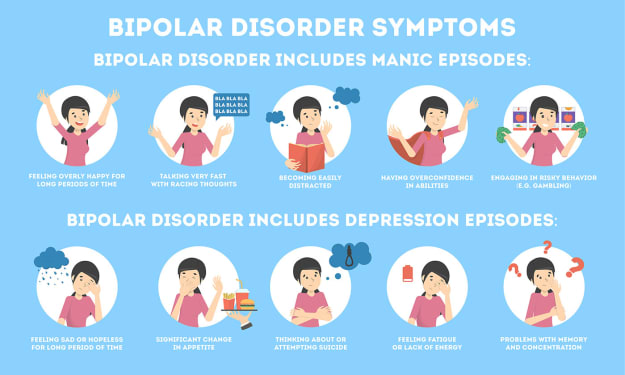
What is bipolar disorder and how can it be managed effectively?
Bipolar disorder, once called manic-depressive illness, is a long-term mental health condition marked by extreme changes in mood, energy, thinking, and behavior. People with bipolar disorder go through episodes of mania or hypomania (high mood, high energy, impulsiveness) and depression (low mood, tiredness, hopelessness), often switching between these states unpredictably.
By Naveen Garg6 months ago in Education
Why Great Customer Service Is Non-Negotiable for Modern Businesses
Excellent customer service is no longer something businesses can choose to offer later. It is a basic requirement in today’s fast-moving market. Customers expect respect, clear communication, and fast solutions. When they do not get these things, they leave. This is why excellent customer service is non-negotiable for businesses that want to survive and grow.
By Apex Service Partners6 days ago in Education
The Devil's Cut
“Comrade, finally you’re awake.” The voice was smooth, sensual. A flickering incandescent bar was all that lit the white, sterile room. All Vladimir remembered was everything going black. He tried to move his arms and found them strapped to the gurney.
By Matthew J. Fromm5 days ago in Fiction


Comments
There are no comments for this story
Be the first to respond and start the conversation.