
What are the early signs of schizophrenia, and how can it be managed?
early signs of schizophrenia
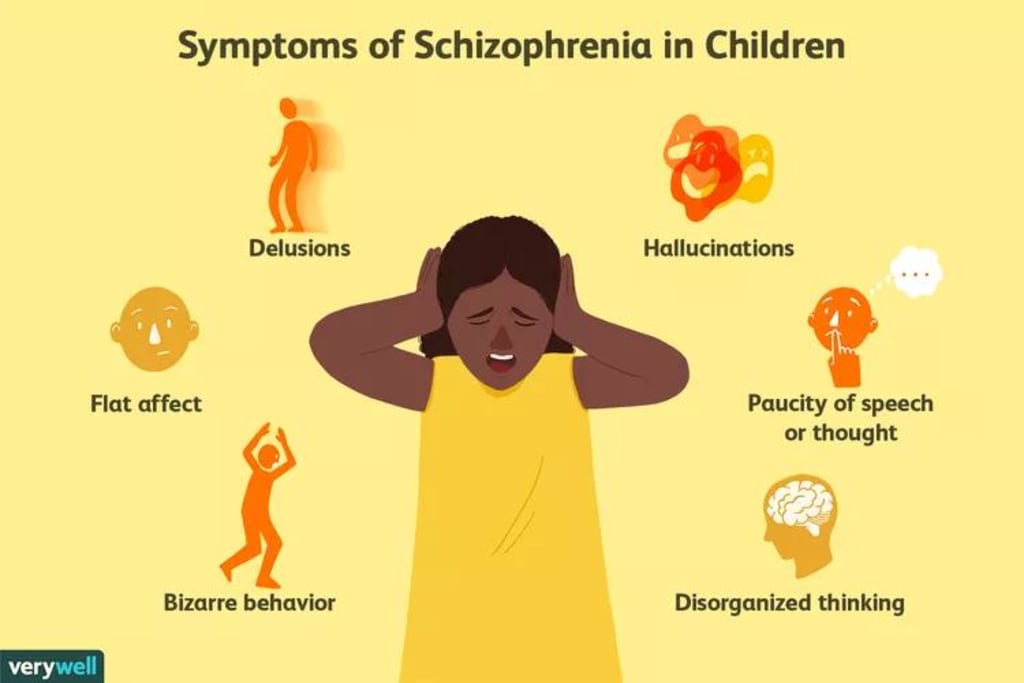
Schizophrenia is a serious chronic mental health disorder that affects how a person thinks, feels, and behaves. It can be very distressing for both the individual and their loved ones. Symptoms often interfere with daily functioning. Early detection and proper treatment can greatly improve outcomes, which makes it important to understand the early signs of schizophrenia.
Understanding Schizophrenia
Schizophrenia is not split or multiple personality disorder, which is a common misconception. Instead, it is a psychotic disorder characterized by distorted thinking, perceptions, emotions, language, sense of self, and behavior. It usually appears in late adolescence or early adulthood, although it can develop later in life.
The exact cause is unknown, but a mix of genetic, biological, and environmental factors likely play a role. Imbalances in brain chemicals like dopamine and glutamate, complications during birth, exposure to viruses, and psychosocial stressors are all potential contributors.
Early Warning Signs
Schizophrenia often develops gradually. Changes in thinking and behavior may go unnoticed or be attributed to stress or adolescence. Early signs may include:
Social Withdrawal: A person may start avoiding friends and family, preferring to be alone.
Decline in Functioning: There may be a noticeable drop in performance at work or school.
Flat Affect: Reduced emotional expression or inappropriate emotional responses.
Suspiciousness or Paranoia: Beliefs that others are watching, following, or trying to harm them.
Unusual Thoughts or Magical Thinking: Believing in supernatural forces or holding unrealistic beliefs.
Poor Concentration: Difficulty focusing, paying attention, or following conversations.
Change in Sleep Patterns: Insomnia or sleeping too much.
Neglect of Personal Hygiene: Losing interest in grooming or cleanliness.
Speech Disturbances: Vague, tangential, or disorganized speech.
Depression or Mood Swings: The person may seem sad or irritable without a clear reason.
Recognizing these symptoms early does not confirm schizophrenia, but they do require a thorough evaluation, especially if they persist or worsen.
Key Symptoms of Schizophrenia
Once schizophrenia is fully developed, symptoms are typically grouped into three categories:
Positive Symptoms (things added to normal behavior):
Hallucinations (most often auditory, like hearing voices)
Delusions (false beliefs, for example, thinking they are being controlled)
Disorganized speech and behavior
Negative Symptoms (the absence of normal behaviors):
Lack of motivation or energy
Reduced speech
Emotional flatness
Social withdrawal
Cognitive Symptoms:
Poor executive functioning (difficulty making decisions)
Trouble concentrating
Problems with working memory
Diagnosis
Healthcare professionals make a diagnosis through clinical interviews, tracking symptoms, and often conducting a physical exam to rule out other causes, such as substance use or neurological conditions. There is no single test for schizophrenia. Psychiatrists generally use criteria from the DSM-5 (Diagnostic and Statistical Manual of Mental Disorders) to confirm diagnoses. This requires at least two major symptoms, like hallucinations or disorganized speech, for at least one month, with some signs lasting at least six months.
Treatment and Management
While there is no cure for schizophrenia, it can be effectively managed with a mix of treatments. Early and ongoing intervention is key to improving long-term outcomes.
Medication:
Antipsychotics are the main treatment for schizophrenia.
Common medications include risperidone, olanzapine, aripiprazole, and clozapine.
Medication can reduce symptoms like hallucinations and delusions but may have side effects that need managing.
Psychotherapy:
Cognitive Behavioral Therapy (CBT) helps individuals identify distorted thoughts and improve functioning.
Supportive Therapy offers emotional support and encourages sticking to treatment.
Family Therapy and Education:
Involving family members in treatment can foster communication, reduce relapses, and strengthen support systems.
Teaching families about the illness helps them understand what their loved one is experiencing and how to respond.
Social Skills Training:
Helps individuals improve communication, self-care, and job-related skills.
Encourages reintegration into the community and promotes independence.
Rehabilitation and Vocational Training:
Programs can help individuals build job skills and find meaningful work.
Day programs and occupational therapy support reintegration into daily life.
Hospitalization:
In cases of severe symptoms, especially when safety is at risk, short-term hospitalization may be necessary.
Stabilization with close monitoring allows for safe treatment initiation.
Case Management and Community Support:
Ongoing support from mental health professionals, peer groups, or case workers helps patients stay engaged with services and manage their symptoms long term.
Community housing, drop-in centers, and supported employment are examples of support services.
Living with Schizophrenia
Living with schizophrenia can be challenging, but many individuals have fulfilling lives with the right treatment and support. Accepting the diagnosis, building a reliable treatment plan, and keeping open communication with healthcare providers are essential.
Stigma remains a significant barrier to recovery. Public misconceptions often isolate those affected and prevent them from seeking help. Awareness campaigns and education are crucial for changing societal attitudes and fostering inclusive, understanding communities.
Tips for Caregivers and Loved Ones
Stay Educated: Learn as much as you can about the condition.
Be Patient: Recovery takes time; progress can be slow.
Set Realistic Expectations: Celebrate small achievements.
Create a Supportive Environment: Offer encouragement without being overbearing.
Encourage Treatment Adherence: Assist with medication routines and appointments.
Take Care of Yourself: Caregiver burnout is real; support groups can help.
Hope Through Help
Schizophrenia does not define a person. With treatment, support, and resilience, individuals living with this disorder can lead meaningful lives. Early intervention, compassionate care, and community support systems are the foundations of recovery.
For expert mental health guidance and resources, visit:
https://www.delhimindclinic.com/
https://www.craftcmsdeveloper.in/
About the Creator
Keep reading
More stories from Naveen Garg and writers in Education and other communities.
How can anxiety disorders affect daily life and what are the management strategies?
Anxiety is a normal response to stress and is key to human survival. However, when anxiety becomes ongoing and excessive, affecting daily activities, it becomes an anxiety disorder. These disorders are some of the most common mental health issues worldwide, impacting people across all ages and backgrounds.
By Naveen Garg6 months ago in Education
From Despair to Hope: How Animal Rescue Efforts Rebuild Broken Lives
Animal rescue efforts stand as a powerful response to suffering that often goes unseen. Across towns, cities, and rural areas, animals face neglect, abandonment, injury, and fear every day. Many are left without food, shelter, or medical care. Others are harmed by abuse or natural disasters. Without help, their future is uncertain. Through patience, care, and action, animal rescue efforts transform despair into hope and give animals the chance to heal and live safely.
By Brenda McGrane5 days ago in Education



Comments
There are no comments for this story
Be the first to respond and start the conversation.