
How can anxiety disorders affect daily life and what are the management strategies?
anxiety disorders affect daily life
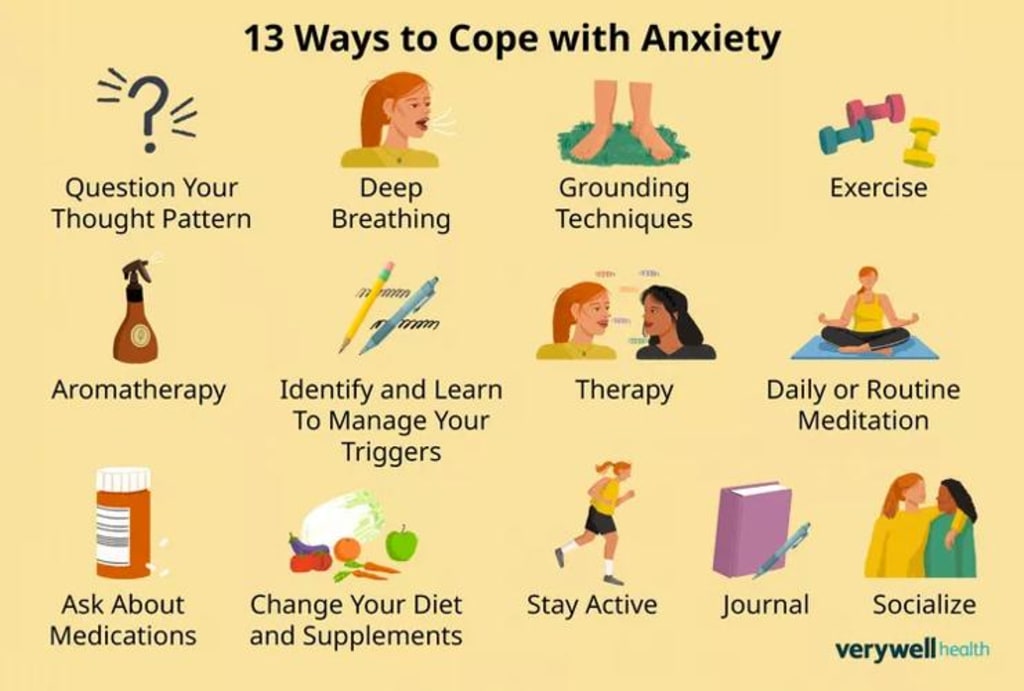
Anxiety is a normal response to stress and is key to human survival. However, when anxiety becomes ongoing and excessive, affecting daily activities, it becomes an anxiety disorder. These disorders are some of the most common mental health issues worldwide, impacting people across all ages and backgrounds.
Understanding Anxiety Disorders
There are several types of anxiety disorders:
- Generalized Anxiety Disorder (GAD): Ongoing worry about everyday issues, including health, work, or finances.
- Panic Disorder: Sudden and repeated panic attacks, which are episodes of intense fear that may include palpitations, shortness of breath, or chest pain.
- Social Anxiety Disorder: Fear of being judged or embarrassed in social situations.
- Specific Phobias: Irrational fears of certain objects or situations, such as heights or spiders.
Obsessive-Compulsive Disorder (OCD) and Post-Traumatic Stress Disorder (PTSD) are also related to anxiety but are categorized separately.
Symptoms of Anxiety
Common symptoms include:
- Constant worrying or intrusive thoughts
- Restlessness or feeling tense
- Muscle tension and headaches
- Difficulty concentrating
- Sleep disturbances
- Avoidance behaviors
- Physical symptoms such as nausea, rapid heartbeat, or sweating
These symptoms can significantly hinder one's ability to function at work, school, or in relationships. Over time, untreated anxiety can lead to depression or substance use disorders.
Diagnosis and Treatment
Diagnosis requires a detailed clinical evaluation by a psychologist or psychiatrist. A careful assessment helps differentiate anxiety disorders from other mental health conditions.
Management Strategies
Cognitive Behavioral Therapy (CBT):
- Known as the best treatment for anxiety disorders.
- Teaches patients to recognize distorted thoughts and adopt healthier ways to respond to stress.
Exposure Therapy:
- Commonly used for phobias and social anxiety.
- Gradually exposing individuals to the feared situation helps reduce sensitivity.
Medication:
- SSRIs, such as escitalopram and paroxetine, are often prescribed.
- Benzodiazepines can be used short-term but may lead to dependence.
- Beta-blockers may help manage physical symptoms like trembling.
Relaxation Techniques:
- Deep breathing, progressive muscle relaxation, and guided imagery lower physical tension.
- Apps and online programs can aid in practicing these techniques.
Lifestyle Adjustments:
- Regular physical activity, cutting back on caffeine, and keeping a healthy sleep routine enhance overall well-being.
- Journaling and maintaining a gratitude diary can build emotional strength.
Support Networks:
- Talking to trusted friends or joining a support group creates connections.
- Learning about anxiety can lower self-stigma.
Mindfulness and Meditation:
- Mindfulness-based interventions, such as Mindfulness-Based Stress Reduction (MBSR), help manage anxiety by grounding individuals in the present.
Professional Help:
- Psychiatrists, clinical psychologists, and therapists can create a treatment plan tailored to individual needs.
Living with Anxiety
Anxiety can be managed with the right strategies and support. Progress may take time, but consistent effort leads to meaningful improvements. The key is to face anxiety rather than avoid it, using compassion and the right tools.
If anxiety is affecting your life, don’t hesitate to seek help. Recovery is not only possible; it’s likely with the right treatment and support system.
For expert mental health support, visit:
https://www.delhimindclinic.com/
https://www.craftcmsdeveloper.in/
Feel free to reach out if you'd like to make changes to your Craft website or chat about your Craft project. I'm available for a free consultation!
About the Creator
Keep reading
More stories from Naveen Garg and writers in Education and other communities.
What is depression and how can it be treated effectively?
Depression is a common but serious mental health condition that affects how a person feels, thinks, and acts. It goes beyond just feeling sad or having a bad day. Depression is a long-lasting emotional state marked by low mood, loss of interest in activities, fatigue, trouble concentrating, and changes in sleep or appetite. Sometimes, depression can lead to feelings of worthlessness, hopelessness, and even thoughts of self-harm or suicide.
By Naveen Garg6 months ago in Education
Restored to Its Roots: The Homecoming of a Historic Waterwheel
The quiet sound of rushing water once again spins a historic waterwheel in its original location. After decades of absence, the wheel has returned to the same stream it once relied on for power, bringing a sense of closure and continuity to a community that never forgot its value. This return marks not just the restoration of a structure but the revival of a piece of living history.
By Grady Gastonabout 18 hours ago in Education
The Human Guide Behind Technical Excellence
Mentorship of skilled technicians plays a decisive role in shaping strong careers and reliable work standards. Technical skill alone does not make a technician capable. Real growth comes from shared experience, steady guidance, and trust built over time. In many industries, mentorship fills the gap between classroom learning and real job demands. It helps technicians move from basic ability to confident performance. This article explores how mentorship supports learning, builds skills, and strengthens the future workforce.
By Michael Gastinel4 days ago in Education
Miss Persephone's Manual to a Seemingly Ordinary Life
Miss Persephone was found at the dining table, her blue eyes swollen, her tears arriving and retreating like the tides of the ocean. Earlier that day, her family had visited her in the retirement home where she had lived for eight years. It was her eightieth birthday.
By Imola Tóth4 days ago in Fiction


Comments
There are no comments for this story
Be the first to respond and start the conversation.