
What Are the Benefits of the Carnivore Diet: A Comprehensive Guide
Read the article to learn more..

What Are the Benefits of the Carnivore Diet: A Comprehensive Guide
Introduction
The carnivore diet has gained popularity among health enthusiasts. More people are curious about what eating only animal foods can do for their health. This diet involves eating meat, fish, and eggs, with almost no plant foods. Some swear it’s a game-changer for health, weight loss, and mental clarity. This article dives into the main benefits backed by research, expert opinions, and real-life stories.
Understanding the Carnivore Diet: What It Is and How It Works
Definition and Core Principles
The carnivore diet is a simple idea: only animal-based foods are allowed. You eat beef, pork, chicken, fish, and eggs. It’s essentially a zero-carbohydrate plan where plants and grains are completely avoided. The diet is inspired by our ancestors who ate mostly meat and organs.
How the Carnivore Diet Differs from Other Low-Carb or Keto Diets
Unlike keto or low-carb diets, which sometimes include small amounts of vegetables or berries, the carnivore diet excludes all plant foods. This makes it more restrictive and straightforward. It focuses on eating only animal products, which may help reduce certain plant-based triggers that cause inflammation or bloating.
Typical Foods Included and Excluded
Allowed foods:
Beef, pork, chicken, and fish
Eggs and animal fats (like tallow or lard)
Foods to avoid:
Vegetables and fruits
Grains and legumes
Processed snacks and sugary foods
This simplicity makes meal planning clear but challenging for some.
Primary Benefits of the Carnivore Diet
Improved Mental Clarity and Focus
Many followers say they experience sharper thinking and better concentration. High protein and fat may fuel your brain more effectively than carbs. Some report a reduction in brain fog and mental tiredness. A few studies link high-fat diets to improved cognitive function, supporting these claims.
Weight Loss and Body Composition
Losing weight is a common reason people try this diet. High protein helps preserve muscle, while carbs avoid insulin spikes that lead to fat storage. Several case reports show consistent weight loss, often with easier appetite control. Followers say they feel full longer, making it easier to stick with a plan.
Reduced Inflammation and Autoimmune Symptoms
Many people notice less joint pain, skin issues, and autoimmune flare-ups. Eliminating plants, which sometimes contain antigens that cause immune reactions, could help. Experts believe that removing these triggers lowers inflammation. Some scientific studies support this idea, but more research is needed.
Simplification of Dietary Choices
Choosing what to eat becomes straightforward with only animal foods. No need to count carbs or plan complex meals. This removes decision fatigue and makes sticking to the diet easier. It’s ideal for those who dislike stressing over food choices or tracking macros.
Potential Hormonal Benefits
Eating mainly meat and fat can improve hormone balance. It may increase insulin sensitivity, helping regulate blood sugar. Hormones like leptin and ghrelin, which control hunger and fullness, seem to work more smoothly. This could mean less craving and better control over your appetite.
Potential Risks and Considerations
Nutritional Deficiencies
Cutting out plants can cause gaps in nutrients like fiber, vitamin C, and certain minerals. Fiber keeps digestion smooth, while vitamin C prevents scurvy. Regular blood work and occasional supplements may be necessary. Always check with a healthcare professional before long-term drastic changes.
Long-term Sustainability and Safety
Research on the long-term effects of this diet is limited. Some worry about cholesterol, gut health, and nutrient balance. It’s wise to do periodic health assessments if you follow them for a while. Consulting a doctor is key to avoiding any health surprises.
Who Should Avoid or Approach Cautiously
Pregnant women or nursing mothers should be cautious. Those with medical conditions like kidney disease or on medication must consult their doctor first. It’s not a one-size-fits-all plan. Pay attention to how your body responds and stop if you notice negative symptoms.
Practical Tips for Starting and Maintaining a Carnivore Diet
Transition Strategies
Switching gradually can help. Start by removing processed and high-carb foods first. Then, slowly cut out vegetables and grains over a few weeks. Expect some cravings or digestive changes; these usually settle with time.
Meal Planning and Recipes
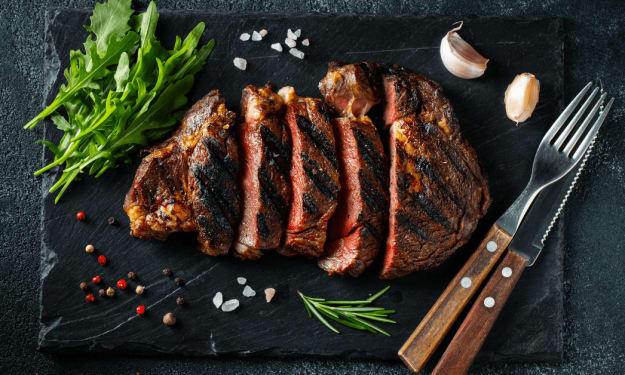
Plan easy meals with different cuts of meat. Include organ meats like liver and heart for extra nutrients. Try simple recipes like steak, boiled eggs, or grilled fish. Eating a variety of animal products ensures you get a broad range of nutrients.
Monitoring Your Progress
Track how you feel mentally, physically, and emotionally. Keep a food journal and note changes in energy, sleep, and hunger. Regular blood tests can show how your body reacts. Adjust your plan if needed, and stay in touch with healthcare providers.
Conclusion
The carnivore diet may offer many benefits, such as clearer thinking, weight loss, and less inflammation. It simplifies eating and can improve overall health for some. However, it’s important to be aware of potential nutritional gaps and long-term risks. Always seek professional advice and listen to your body. Personal experiences vary, so make sure this diet suits your goals and health needs.
Key Takeaways
The carnivore diet can improve mental clarity, help with weight loss, and lower inflammation.
Be aware of possible nutrient deficiencies and consult with healthcare providers.
Proper planning and regular check-ins are essential for safe and effective results.
Remember, what works for one person might not work for everyone. Personalization is key.
Taking the step to try a new diet is a big decision. Focus on what your body needs and stay informed. Your health journey depends on understanding the benefits and risks. Make smart choices and prioritize your well-being.
To see what the carnivore diet has to offer, click here now.
About the Creator
Keep reading
More stories from Sabz Ali Khan and writers in Education and other communities.
what are the benefits of carnivore diet
The Benefits of the Carnivore Diet The carnivore diet, an eating regimen centered exclusively on animal-based foods, has gained significant attention recently. Advocates argue that eliminating plant-based foods can lead to numerous health benefits, from improved digestion to enhanced mental clarity. While controversial, this diet has attracted followers who report transformative results. Below, we explore the potential benefits of the carnivore diet in detail.
By Sabz Ali Khan8 months ago in Education
How Learning About Global Health Gives Early Impacts to Medical Students
Medical students begin forming their professional identities long before they enter residency, and early exposure to global health giving plays a decisive role in shaping those identities. While traditional training emphasizes diagnostics and clinical precision, global learning encourages students to understand the broader human context behind every medical decision.
By Dr. Seth Eidemiller5 days ago in Education
Why Do We Dream?
In the third millenium BCE, Mesopotamian kings recorded and interpreted their dreams on wax tablets. A thousand years later, Ancient Egyptians wrote a dream book listing over a hundred common dreams and their meanings. And in the years since, we haven't paused in our quest to understand why we dream. So, after a great deal of scientific research, technological advancement, and persistence, we still don't have any definite answers, but we have some interesting theories. We dream to fulfill our wishes.
By Munesh Yadav3 days ago in Education
So You Decided To Become a Nurse Practitioner:
So you decided to become an "Advanced Practice" nurse. Congratulations!... is what I would say if this was a good idea. Grad school? In this economy? What were you thinking? Likely it was something along the lines of either 1) “I've seen these other chucklefucks do it— Why can't I?” or even 2) “I've got a nice career, I should shake it up. I miss feeling like I have no clue what I'm doing.”
By Sandor Szaboa day ago in Fiction


Comments
There are no comments for this story
Be the first to respond and start the conversation.