
Web 3 in finance , a complete solution ?
What is web3 in finance, benefits and risks of web3 in finance.
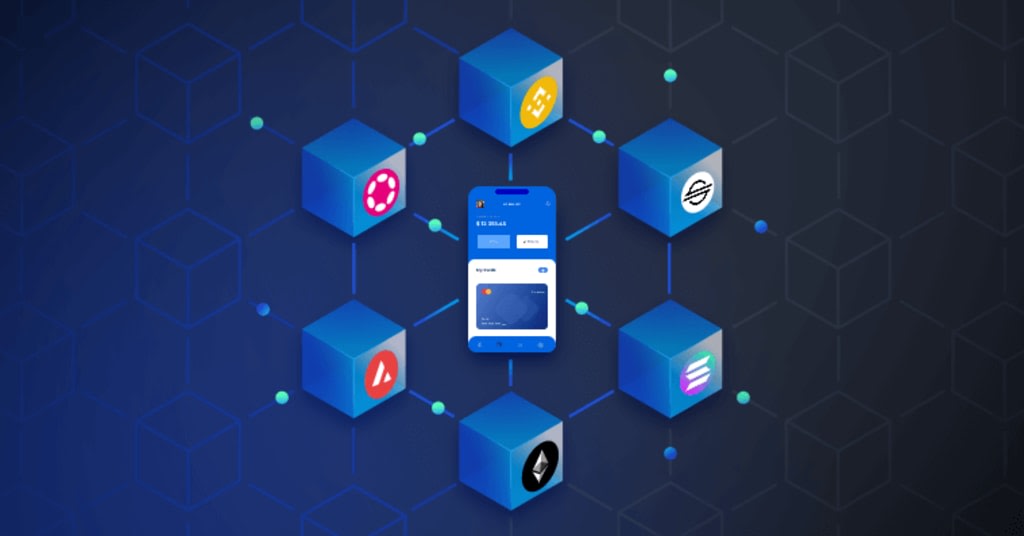
Web3 in finance is a rapidly evolving field that combines blockchain technology and decentralized finance (DeFi) to create a new paradigm in financial services. In this guide, we will explore the basics of Web3 in finance, the different types of DeFi protocols, the benefits and risks of Web3 in finance, and how to get started with using DeFi platforms.
The core Web 3.0 applications depend on the decentralization of the applications and advanced technologies like blockchain, AI, AR, VR, and others. As a leading Web 3.0 development company, we have been working with blockchain-based products and applications for a long time now.
What is Web3 in Finance?
Web3 in finance refers to the integration of blockchain technology and decentralized finance (DeFi) protocols to create a new paradigm in financial services. Web3 allows for the creation of trustless and decentralized financial systems, which can operate without the need for intermediaries such as banks or other financial institutions.
Types of DeFi Protocols
There are several types of DeFi protocols that are being developed, including:
Decentralized exchanges (DEXs): These are platforms that allow users to trade cryptocurrencies without the need for a centralized exchange. DEXs are based on smart contracts and allow users to exchange cryptocurrencies in a trustless and decentralized manner.
Lending and borrowing platforms: These platforms allow users to lend and borrow cryptocurrencies in a peer-to-peer manner, without the need for a centralized intermediary. Lending and borrowing platforms use smart contracts to automate the lending and borrowing process, and users can earn interest on their loans or borrow funds at a lower interest rate than traditional financial institutions.
Stablecoins: These are cryptocurrencies that are pegged to a stable asset such as the US dollar, euro, or gold. Stablecoins provide a way for users to hold cryptocurrency without being exposed to the volatility of the cryptocurrency market.
Asset management platforms: These platforms allow users to invest in a range of DeFi protocols, including lending and borrowing platforms, DEXs, and other financial services. Asset management platforms use smart contracts to manage user funds and automate the investment process.
Insurance: Decentralized insurance protocols allow users to insure their assets against hacks, theft, and other risks. Insurance protocols use smart contracts to automate the insurance process and pay out claims automatically.
Benefits and Risks of Web3 in Finance
One of the key benefits of Web3 in finance is that it enables financial services to be more inclusive, as anyone with an internet connection can participate in DeFi protocols. This means that people who are excluded from traditional financial services, such as those in developing countries, can access financial services that were previously unavailable to them.
In addition, Web3 in finance can potentially reduce the fees associated with traditional financial services, as there are no intermediaries involved in DeFi transactions. This can make financial services more accessible to people who are unable to afford the fees associated with traditional financial services.
However, it is important to note that while Web3 in finance has the potential to disrupt traditional financial services, it is still in its early stages of development and there are significant risks involved with investing in DeFi protocols. There is a risk of smart contract bugs, hacking attacks, and market volatility. It is important to conduct thorough research and understand the risks before investing in any DeFi platform.
How to Get Started with Web3 in Finance
To get started with Web3 in finance, you will need to:
Set up a cryptocurrency wallet: You will need a wallet to store your cryptocurrencies and interact with DeFi platforms. There are many different types of wallets available, including software wallets, hardware wallets, and mobile wallets.
Purchase cryptocurrencies: You will need to purchase cryptocurrencies such as Bitcoin (BTC) or Ethereum (ETH) in order to use DeFi platforms.
Choose a DeFi platform: There are many different DeFi platforms available, including lending and borrowing platforms, DEXs, stablecoin platforms, and asset management platforms. Choose a platform that suits
About the Creator
Mark
Blockchain Development Services & Solutions
Leverage the power of blockchain technology with our end-to-end customized blockchain solutions for world-class transparency and securing in decentralized applications.
The Role of Mentorship Circles in Shaping Resilient Entrepreneurs
Launching a startup in today’s competitive environment is as much about mindset as it is about innovation. While market knowledge and capital matter, resilience often defines whether a business survives its early stages. One of the most powerful tools in building that resilience is participation in mentorship circles, where emerging entrepreneurs learn, grow, and evolve under the guidance of experienced business leaders.
By Greg Warnockabout 6 hours ago in Education



Comments
There are no comments for this story
Be the first to respond and start the conversation.