
We Are Exposing the Crimes of the Pakistani Government and Military.Under the Shadow of a Tyrannical State: The Tragic Story of Pashtun Children, Women, and People.Genocide Under the Shadow of the State: The Pakistani Army and Government’s War Against Pashtuns
This is a clear and unprecedented report of the organized and systematic oppression and violence inflicted by the Pakistani military against innocent Pashtun children, women, and communities.
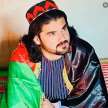
Follow Pashtun Tahafuz Movement (PTM)
A voice for the voiceless.
PTM stands against state oppression, enforced disappearances, military brutality, and the silencing of Pashtun communities in Pakistan.
If you believe in human rights, justice, and truth — then stand with those who risk everything to speak it.
Follow. Support. Raise your voice.
Even Crying for Justice Has Become a Crime
In any just world, it would be unimaginable to punish someone for raising their voice against the killing of children, women, and innocent civilians — but under the control of the Pakistan Army and its intelligence agencies, this very act is treated as a crime.
Here, if a Pashtun youth dares to speak out — naming the Pakistan Army as the killer of their brother, sister, or mother — a case is immediately filed against them. They are either arrested, disappeared, or falsely accused of terrorism.

In Khyber Pakhtunkhwa, Waziristan, Swat, and Bajaur, people are only crying out to the sky — saying that their children were bombed, their homes were destroyed, and their women were wounded. But even these cries are intolerable to the Pakistani state.
Pakistan’s intelligence agencies — which exist not to protect the people but to spy on and silence them — closely monitor anyone who speaks for the oppressed. Protest leaders go missing, are imprisoned, or are smeared with labels that destroy their social, professional, and even physical lives.
Supporting the oppressed is considered a crime here.
In a state where the army itself is the killer of its people, expecting justice feels like a distant dream. Here, seeking your rights is labeled as “anti-state,” and not only is blood spilled — but remembering the dead is also punishable.
But history will not stay silent. And the voice of the Pashtuns will not be silenced.
Let us document these injustices, share them, and place them before the conscience of the world.
Raising your voice is not a crime — it is a duty of humanity.#PTM #PashtunLivesMatter #HumanRights
Let Us Stand With the Oppressed Pashtuns!
In a world full of claims of humanity but lacking in action, the blood-soaked cries of the Pashtun people echo across the mountains and valleys — calling out against the brutal oppression of the Pakistani government and military.
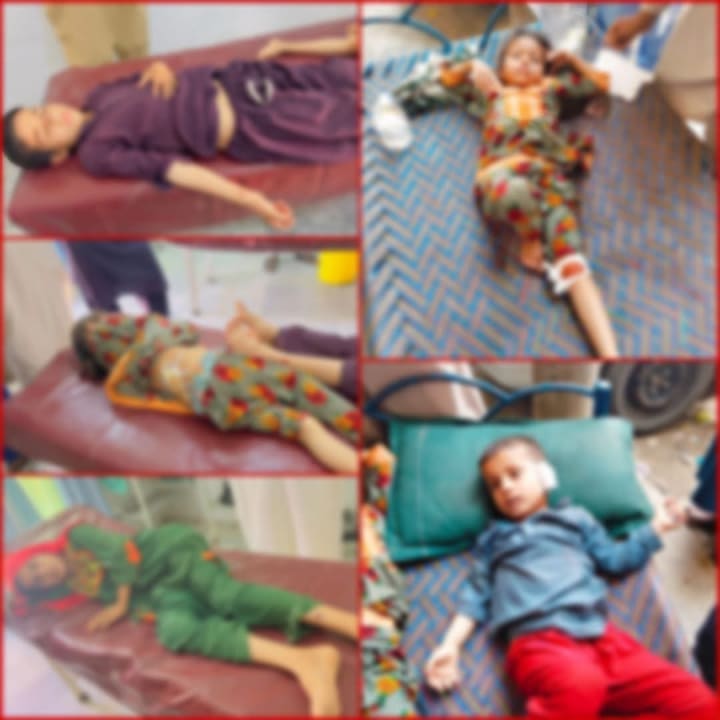
In Waziristan, Khyber, Bajaur, Bannu, Tank, and other Pashtun regions, the state of Pakistan and its army have unleashed relentless violence — bombing homes, targeting women, murdering children, and silencing entire communities. These are not terrorists. These are innocent people — children, mothers, elders — whose only crime is being Pashtun.
It is time to break the silence.
Let us no longer remain quiet in the face of injustice. Let us answer the cries of mothers burying their children, of fathers carrying their wounded, of communities mourning in silence while the world looks away.
We urge you:
1. Raise your voice against the brutality of the Pakistani army and government — wherever you are in the world.
2. Use social media to expose these crimes — share the stories, the names, the faces, and the facts.
3. Write to human rights organizations, international media, and global institutions. Demand action.
4. Join protests, rallies, and awareness campaigns to show the world that Pashtuns are not alone.
The blood of the innocent is not cheap.
We stand with the oppressed Pashtuns. Their suffering is our responsibility. Their voices will not be buried. We will speak, we will name the oppressor, and we will not let these crimes go unseen.
Say NO to oppression, and YES to justice.
Raise a global voice against the genocide of Pashtuns.
Cries Beneath the Dust: The Unheard Sorrows of the Oppressed Pashtun Nation
In the embrace of the mountains of Khyber Pakhtunkhwa and the tribal areas, a silent and bloody genocide is unfolding — a horror the world has chosen to ignore, hidden under the shadow of Pakistan’s state propaganda. This is not just a story of “cultural damage.” This is the narrative of deliberate, brutal, and systematic attacks — carried out by the Pakistani government and military against a nation whose homeland has been turned into a battlefield.
In recent weeks, a terrifying pattern has emerged. The Pakistan Army has begun raining drone bombs and mortar shells on its own citizens — targeting homes, villages, and mosques. These are the very places where children once played, elders spoke of peace, and families held hopes for life.
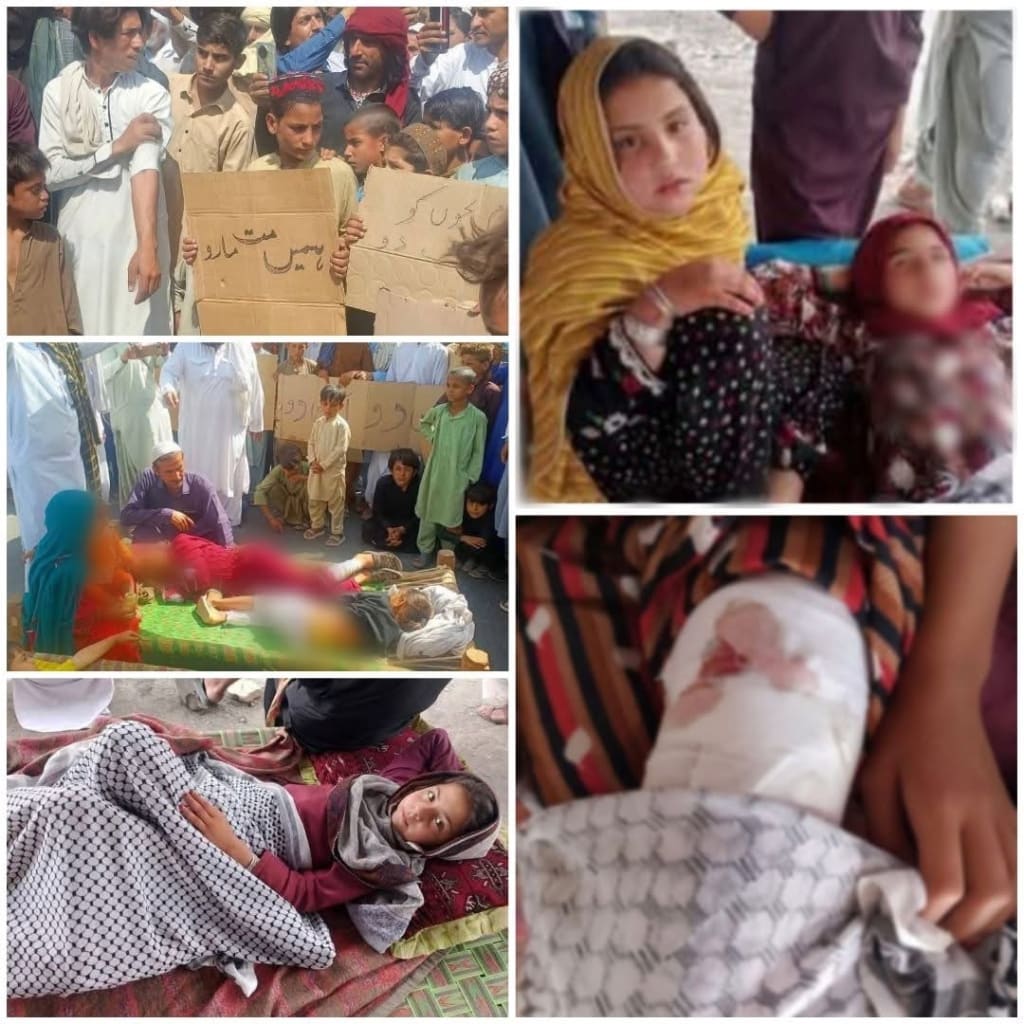
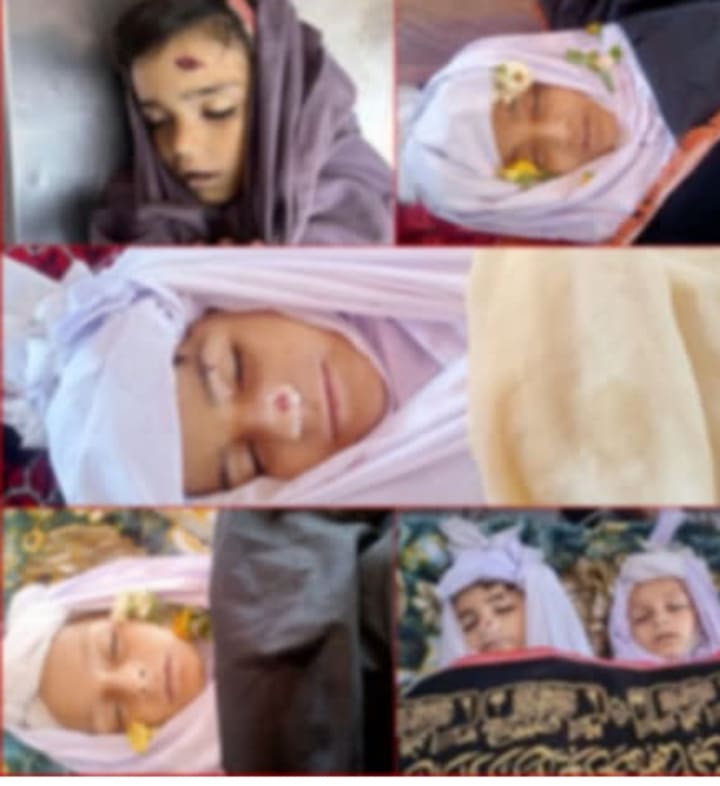
On April 29, in Bajaur, three little girls — Nisa (6), Hamsa (8), and Rayan (5) — were severely wounded by mortar shelling. On May 7, in Jani Khel, Bannu, an elderly man Haji Hayatullah and his 15-year-old daughter were martyred, while his son was left disabled. That same day, in Khyber’s Tirah Valley, another elder and two more girls were injured in shelling.
The bombings and bloodshed continue: in Tank, drone strikes were dropped on a mosque by the Pakistan Army, killing three young men. Jamila Bibi was martyred, and another woman was wounded in Mir Ali. On May 11 alone, eleven women and five children were injured in a single drone attack by the Pakistani military.
The names and ages of the victims speak for themselves: Safia (30), Suneela (12), Hadiya (11), Rafid (6), Aamir (1), Jasim (12), Jalal (7)… These are not militants. They are not combatants. They are innocent women and children — victims of the violent policies of the Pakistani government and army.
This is not an “anti-terror operation.” This is not security enforcement. This is genocidal violence — a planned, state-led assault on an ethnic community.
What is most painful is the wall of silence that surrounds this bloodshed. Those who cry for humanity and human rights — who grieve for Palestine, Syria, or Kashmir — say nothing about the oppressed children and women of Waziristan and Bajaur. And if they do speak, they fail to name the killer: the Pakistan Army.

But the truth is too heavy to be ignored.
From April 22 to May 18, 2025, dozens of children, women, elders, and youth were either martyred or wounded in bombings and attacks by the Pakistani military. Families have been destroyed. Hopes buried in the dust. Children were ripped from the playground forever, and mothers from their children — never to hold them again.
In Shabozai, Mir Ali, Tirah, and Bannu — there are screams. These screams rise from fresh graves, from blood-soaked streets, and from the open wounds of mourning. These cries are a test for the so-called defenders of human rights: will they hear this oppressed nation too?
The state brutality of Pakistan must be openly recognized. These are not military operations — this is state terrorism. The Pakistan Army must be held accountable for every martyred child, every grieving mother, and every shattered home.
Justice delayed is justice denied — but silence in the face of such horror is complicity.
Let us raise our voices for the oppressed of Khyber, Waziristan, Bajaur, and Bannu. These bloody truths must be written into history — so that tomorrow, no one can say this happened, and no one spoke.
Let’s Take This Cry to the Gates of Human Rights!
The ongoing violence against children, women, elders, and innocent civilians in Khyber, Waziristan, Bajaur, Bannu, and the tribal belt of Pakistan can no longer be met with silence. This is no longer just a regional tragedy — it is a humanitarian crisis.

In these lands where bombs fall daily, the cries of children never reach the ears of the world. Where mothers stitch shrouds for their martyred children, human rights organizations remain absent. And if anyone dares to raise their voice, Pakistan’s army and intelligence agencies follow them, arrest them, or make them disappear.
Do Pashtun children not deserve human rights?
Is the blood of Pashtun mothers and daughters worthless?
We call on all international human rights bodies — the United Nations Human Rights Council, Amnesty International, Human Rights Watch, and others:
Do not ignore this oppression. Hear these cries. See this blood. Count these funerals.
We speak because silence is complicity.
We write because history will judge.
We cry out because every human has the right to live — without drones, mortars, or state terrorism.
Let us amplify this voice. Share it, spread it, and bring it to the world’s attention.
This is not just the cry of a single community — it is a test of our collective humanity.
About the Creator
Najibullah
I’m Najibullah — a journalist dedicated to amplifying the voices of the oppressed and sharing reliable, useful information to inform and inspire.
Keep reading
More stories from Najibullah and writers in Education and other communities.
The Lantern of Legacy
The Last Lantern In a small village nestled between green mountains and silver streams, there lived an old lantern-maker named Eliyas. His workshop was tucked beneath the ancient sycamore tree at the end of Lantern Lane, a narrow path lit by dozens of softly glowing lights he had made over the years. People said his lanterns didn’t just burn with oil—they glowed with stories.
By Najibullah10 months ago in Education
The Dark Side of AI: What Could Artificial Intelligence Become in 100 Years?
But while AI promises innovation and efficiency, an important question remains: What could AI become 100 years from now?Looking ahead to the next century, the darker possibilities of artificial intelligence deserve serious attention.
By Spondan Chowdhuryabout 7 hours ago in Education
Pearl
1980 something. we all hung out at Pearl and you and i were nothing special, or so i thought. i mean we all danced, drenched in our own sweat, our own saline solution of fear, too many beers, shots, laughter, tears, fucks in the bathroom and i don't know when we began to be afraid. do you?
By ROCK aka Andrea Polla (Simmons)2 days ago in Fiction



Comments (1)
This is a powerful piece highlighting the unjust situation in Pakistan. It's sad that speaking out against such atrocities is considered a crime. I can't help but think about how important it is to support movements like this. How can we, as individuals, make a real difference in bringing attention to these issues? And what more can the international community do to pressure for change in Pakistan? It's crucial that we don't turn a blind eye to these human rights violations.