
Vocational Training Programs for Real Employment
Discover how vocational training programs provide practical skills, create real employment opportunities, and strengthen communities and economies worldwide.

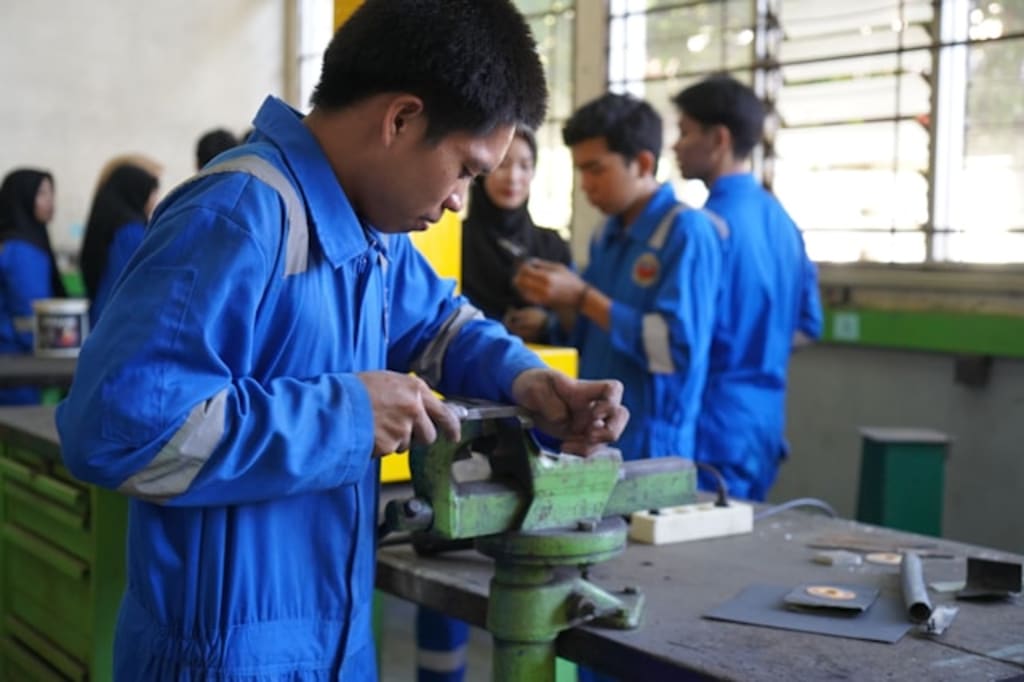
Vocational training programs are increasingly recognized as a vital pathway to employment. Unlike traditional academic education, these programs focus on teaching specific, practical skills that prepare learners for direct entry into the workforce. Industries such as healthcare, construction, information technology, hospitality, and manufacturing rely heavily on vocationally trained workers to fill critical roles. As economies continue to evolve, vocational education is proving to be an essential tool for addressing skills gaps, reducing unemployment, and promoting inclusive growth.
Why Vocational Training Is Essential Today
The global labor market is undergoing rapid changes due to automation, digital transformation, and shifting business needs. Employers consistently report shortages of workers with the technical and trade skills required to meet industry demands. At the same time, large numbers of job seekers remain unemployed or underemployed because their education does not match available opportunities.
Vocational training offers a solution by directly aligning education with employment. These programs are shorter and more focused than university degrees, often ranging from several months to two years. They provide hands-on training in fields such as electrical work, nursing assistance, automotive repair, culinary arts, and computer programming. Graduates gain practical abilities that employers immediately recognize and value.
In addition to addressing workforce shortages, vocational training supports social mobility. For individuals who cannot afford higher education or prefer practical learning, vocational programs provide an accessible and affordable alternative. By equipping learners with job-ready skills, these programs create pathways to stable employment and income generation, reducing poverty and strengthening local economies.
Structure and Delivery of Training Programs
Vocational training is delivered in several formats, each adapted to industry requirements and community needs. A widely used approach is the apprenticeship model. In this system, students divide their time between classroom instruction and workplace practice. Apprenticeships provide an opportunity to learn theory while gaining direct experience, making them especially effective in trades such as construction, plumbing, and healthcare support.
Certificate and diploma programs are another common format. These programs are offered through technical schools, community colleges, and training centers. They typically last from a few months to two years, depending on the specialization. For example, a short certificate in network administration prepares students for IT support roles, while a diploma in hospitality management equips graduates for positions in hotels and restaurants.
Industry partnerships play a key role in shaping effective programs. Employers collaborate with training providers to design curricula, supply equipment, and offer internships or job placements. This collaboration ensures that learners acquire skills directly relevant to current labor market needs. Increasingly, vocational training also incorporates blended learning models. Online platforms allow students to study theory at their own pace, while in-person workshops provide essential hands-on practice. This flexibility makes vocational education more accessible, particularly for adult learners and individuals in remote areas.
Employment Outcomes and Broader Impact
The success of vocational training is measured by employment outcomes. Studies consistently show that vocational graduates secure jobs faster than those from purely academic pathways, particularly in sectors with persistent skill shortages. Because training is directly linked to employer needs, the transition from learning to work is often immediate.
Employers benefit by gaining access to workers who are already equipped with the required technical skills, reducing the need for extensive in-house training. This efficiency is particularly valuable in industries such as healthcare, where trained nursing assistants and technicians are in high demand, and in construction, where electricians, welders, and plumbers are consistently sought after.
At the community level, the impact of vocational training extends beyond individual employment. Graduates with stable jobs contribute to household income, reduce poverty, and stimulate local economies. In rural areas, access to vocational education reduces the need for migration by creating opportunities close to home. For youth, vocational training provides a clear alternative to academic degrees, addressing high rates of unemployment and underemployment among young people.
These programs also strengthen national economies. By supplying skilled workers, they support industrial growth, improve productivity, and increase competitiveness. Governments increasingly recognize vocational education as a strategic tool for workforce development and invest in policies to expand and improve training opportunities.
Challenges and the Future of Vocational Education
Despite their benefits, vocational training programs face several challenges. Funding remains a persistent issue. High-quality training requires investment in modern equipment, skilled instructors, and updated facilities. Without adequate resources, programs risk becoming outdated and less effective in preparing students for modern industries.
Another challenge is the perception of vocational education. In many societies, vocational training has historically been viewed as less prestigious than university education. This stigma can discourage students and families from considering it as a first-choice pathway. Addressing this requires greater awareness of the value of skilled trades and the strong employment prospects associated with vocational careers.
Keeping training content aligned with rapidly changing labor markets is also a challenge. Fields such as renewable energy, advanced manufacturing, and digital technology evolve quickly. Programs must adapt continuously to ensure graduates remain competitive. This requires strong partnerships with industries and a commitment to curriculum development.
Looking ahead, vocational training will become increasingly important as economies shift toward green industries, healthcare expansion, and technology-driven sectors. Nations that invest in flexible, scalable, and high-quality vocational education will be better prepared to meet labor demands and reduce unemployment.
From Skills to Employment
Vocational training programs play a critical role in connecting education with employment. By equipping learners with practical, job-ready skills, these programs help individuals transition quickly into the workforce. They benefit employers by supplying trained workers, support communities by reducing poverty and creating stability, and strengthen economies by addressing labor shortages.
While funding, outdated perceptions, and the need for updated curricula remain challenges, the overall evidence is clear: vocational education works. It provides opportunities for individuals who may not pursue traditional academic paths and creates real employment outcomes that improve lives and economies.
For policymakers, educators, and learners alike, vocational training represents a proven and practical solution to today’s employment challenges. By investing in and expanding these programs, societies can ensure that education leads not only to knowledge but also to meaningful and lasting careers.
About the Creator
Baitulmaal
Baitulmaal, a Dallas-based nonprofit founded in 2004, delivers global humanitarian aid, supporting disaster relief, clean water, food, healthcare, and orphan care in underserved communities.
Website: https://baitulmaal.org/
Keep reading
More stories from Baitulmaal and writers in Education and other communities.
Building Resilient Communities Before Disaster Hits, Practical Actions for Stronger Neighborhoods
Building resilient communities before disaster hits is one of the most effective ways to protect people and places. Disasters can happen with little warning. Floods, storms, fires, and health emergencies can disrupt daily life fast. Communities that prepare early face fewer losses and recover more smoothly. This article explains how resilience works and shares clear steps communities can take before trouble begins.
By Baitulmaal21 days ago in Education
Step-by-Step Guide to Going Pro in Poker in 2026: From Novice to Expert
In 2026, poker continues to thrive as a competitive and lucrative field for skilled players. With hybrid formats that combine the convenience of online access with the prestige of live events, the game offers greater flexibility and opportunities than ever. If you're thinking of turning your passion into a full-time career, now is a great time to get serious.
By Micah Raskin5 days ago in Education
The Colors of Learning
The sun was warm that morning, and the school walls glowed with bright colors, reflecting the laughter and chatter of children and parents on the narrow village paths. But in the midst of all this noise, Maryam’s heart carried a calm determination, a spark for knowledge that seemed to shine brighter than the sun. She was young, but her spirit was fearless. Every morning, she walked to school with a single thought in mind: one day, she would bring the light of education not just to herself, but to every child in her village. Maryam’s journey to school was long. The paths were lined with flowers and the occasional fluttering bird, yet she paid little attention to them; her focus was unwavering. As she entered the school gates, her face lit up with a smile. Mr. Anwar, her class teacher, greeted each student warmly, patiently guiding them through lessons, always encouraging curiosity. Maryam was known among her peers for her sharp mind and her ability to understand solutions where others struggled. But Maryam’s dream extended far beyond her own learning. She wished to create opportunities for other children in her village, to fill their lives with the colors of knowledge. The village, however, was not an easy place for education. The school library was sparse, there were no computers, and modern teaching resources were practically nonexistent. Parents were often busy with daily work and could not fully grasp how education could brighten their children’s future. Undeterred, Maryam began to devise a plan. She decided to start a small reading club at her school. Every morning, she gathered her classmates in the little library and shared stories from the few books available, encouraging discussions and curiosity. It was not an easy task. Books were limited, electricity was unreliable, and many children had chores that kept them busy at home. But Maryam’s determination never wavered. She patiently organized reading sessions, helped students with lessons, and inspired them to dream beyond their immediate surroundings. One day, Maryam took her plan a step further. She requested a meeting with the local school board. She explained the challenges her school faced and asked for support. “If we provide children with the resources they need,” she told them, “their hearts and minds will light up with learning, and their futures will shine brighter than ever.” The board members were impressed by Maryam’s courage and clarity. They agreed to provide books, computers, and other resources to help her vision take shape. The day the library reopened was unforgettable. Children explored colorful books, their eyes wide with excitement. The computers brought a new wave of learning, allowing them to explore technology for the first time. Maryam’s heart swelled with pride and hope. She realized that with courage, dedication, and passion, even the greatest challenges could be overcome. Her reading club soon became a hub of creativity. Maryam helped her classmates with homework, extra lessons, and new skills. She organized storytelling sessions, science projects, and activities that motivated even the shyest students. Slowly, parents began to notice the transformation. They saw their children excited to learn, eager to attend school, and willing to embrace new knowledge. As weeks turned into months, the small library became a beacon of hope. Maryam’s efforts inspired not only her peers but also the entire community. Villagers, once indifferent to education, started valuing it, realizing it was the key to a brighter future. The children learned that education was not just a subject in textbooks but a tool that could empower them, open doors to new opportunities, and allow them to dream bigger than the village boundaries. Maryam herself grew through this journey. She learned leadership, empathy, and the true meaning of perseverance. She discovered that one person’s determination could spark change in an entire community. The joy of seeing other children learn, explore, and succeed became her greatest reward. By the end of the year, the school had transformed. The library was thriving, classes were full of energy, and Maryam’s vision was no longer just a dream—it was a living reality. Her village had begun to embrace education as the path to progress, and Maryam had become a symbol of hope for every child who dared to dream. In the end, Maryam realized that the colors of learning were not just in books or computers—they were in the hearts of those who chose to embrace knowledge, curiosity, and the courage to dream. And she knew that as long as there were children willing to learn, the light of education would never fade from her village.
By Abubakar khan 5 days ago in Education
Standing While Falling
Quotation from Friedrich Nietzsche "He who wrestles long with monsters should beware lest he himself become a monster. And if you gaze long into an abyss, the abyss also gazes into you. Man is not destroyed by suffering, but by the meaning he makes of it."
By LUCCIAN LAYTH6 days ago in Critique


Comments
There are no comments for this story
Be the first to respond and start the conversation.