
Now Hiring
Rewards and Earnings of Aircraft Technicians


Are you fascinated by aviation and looking for a career that offers both excitement and solid rewards? Aircraft technicians might be the perfect path for you. As the aviation industry continues to grow, the demand for skilled technicians is rising, and with it comes a range of enticing benefits and competitive earnings. Let’s explore why becoming an aircraft technician could be a smart career move and what you can expect in terms of rewards and earnings.
The Growing Demand for Aircraft Technicians

The aviation industry is experiencing a significant surge in demand for aircraft technicians, driven by multiple factors that underscore the sector's dynamic growth and evolving needs. As airlines expand their fleets to accommodate rising passenger numbers and replace older aircraft with newer models, the demand for skilled maintenance professionals increases accordingly. This expansion is not limited to major carriers; regional airlines, such as Air Wisconsin, are also growing their operations, creating additional job opportunities for technicians. Moreover, the rising number of global flights, including a boom in cargo operations driven by e-commerce, further intensifies the need for regular maintenance and repair work.
Technological advancements in aircraft systems, including sophisticated avionics and new materials, require technicians to stay updated with the latest technologies and repair techniques. This shift towards more advanced technology necessitates continuous training and adaptation, which fuels demand for technicians who can handle these new systems. Additionally, the industry faces an aging workforce, with a significant number of current technicians nearing retirement. This demographic shift creates a labor gap that new technicians must fill, highlighting the need for robust training programs like those offered at FOX Valley Technical College.
Stringent safety regulations and standards also play a crucial role in driving demand for aircraft technicians. Regular maintenance and inspections are mandatory to ensure compliance with evolving regulations, reinforcing the need for a skilled workforce capable of meeting these requirements. On a global scale, the aviation industry's expansion offers diverse career opportunities for technicians, providing job security and flexibility across various regions. As the industry continues to grow and evolve, the role of aircraft technicians remains central to ensuring the safety and efficiency of air travel, making it a promising and dynamic career path.
Competitive Earnings and Benefits
One of the most compelling aspects of pursuing a career as an aircraft technician is the competitive salary and comprehensive benefits that come with the role. Starting salaries for aircraft technicians are notably attractive, with companies like Air Wisconsin offering a base pay of $30 per hour. This hourly wage translates into a substantial annual income, reflecting the high value placed on these skilled professionals in the aviation industry. With the right qualifications and experience, technicians can earn a comfortable and rewarding salary, making this career both financially and professionally appealing.
In addition to competitive pay, aircraft technicians often enjoy a range of additional financial incentives that enhance their overall compensation package. One of the most significant perks is the sign-on bonus, which Air Wisconsin offers up to $10,000. This substantial bonus serves as a powerful motivator for new hires and provides an immediate financial boost, helping to offset the costs associated with starting a new job and relocating if necessary. The sign-on bonus underscores the industry's commitment to attracting and retaining top talent in a highly competitive job market.
Tuition reimbursement is another valuable benefit that enhances the financial attractiveness of a career in aircraft maintenance. Air Wisconsin offers tuition reimbursement to employees who are pursuing or already hold relevant qualifications in aviation. This benefit helps offset the cost of educational programs and certifications, making it easier for technicians to advance their skills and knowledge without incurring significant debt. By supporting ongoing professional development, this reimbursement not only benefits the employees but also ensures that the workforce remains skilled and up-to-date with the latest industry standards and technologies.
The combination of a competitive hourly wage, substantial sign-on bonuses, and tuition reimbursement creates a compelling financial package for aircraft technicians. These benefits not only make the profession financially rewarding but also provide long-term value by supporting career growth and development. For those interested in a stable and lucrative career in aviation, becoming an aircraft technician offers a promising path with ample opportunities for advancement and financial stability. The robust earning potential and attractive benefits make this career choice an excellent option for individuals passionate about aviation and seeking a rewarding professional journey.
The Perks of Working in Aviation

Working in aviation provides aircraft technicians with a range of unique perks that extend beyond competitive salaries. One of the most enticing benefits is flight privileges. Many airlines, including Air Wisconsin, offer their employees and their families the opportunity to fly for free or at significantly reduced rates. After paying a nominal annual fee, technicians can enjoy these flight benefits, which can greatly reduce the cost of travel. This perk not only allows for personal leisure travel but also enables technicians to explore various destinations around the world without the financial burden typically associated with flying. The ability to travel frequently at little to no cost is a significant advantage and adds a layer of excitement to the role.
Another notable perk of working in aviation is the potential for career growth. The industry is vast and diverse, offering numerous pathways for advancement. Aircraft technicians have the opportunity to move into specialized roles, such as avionics or engine repair, which can lead to higher earnings and increased job satisfaction. Additionally, there are opportunities to transition into management positions or other leadership roles within the aviation sector. These career advancements not only enhance earning potential but also provide a broader scope of responsibilities and challenges, contributing to professional development and career fulfillment. The aviation industry is known for its dynamic environment and continuous evolution, which creates a fertile ground for career growth. Technicians can leverage their skills and experience to pursue various certifications and specializations, staying abreast of technological advancements and industry trends. This continuous learning and adaptation contribute to a rewarding career that evolves alongside the industry.
The perks of working in aviation, including flight benefits and career advancement opportunities, make a career as an aircraft technician both financially rewarding and personally fulfilling. These advantages enhance the overall job experience, providing technicians with valuable benefits that extend beyond the workplace and contribute to a well-rounded and satisfying professional journey.
Training and Education
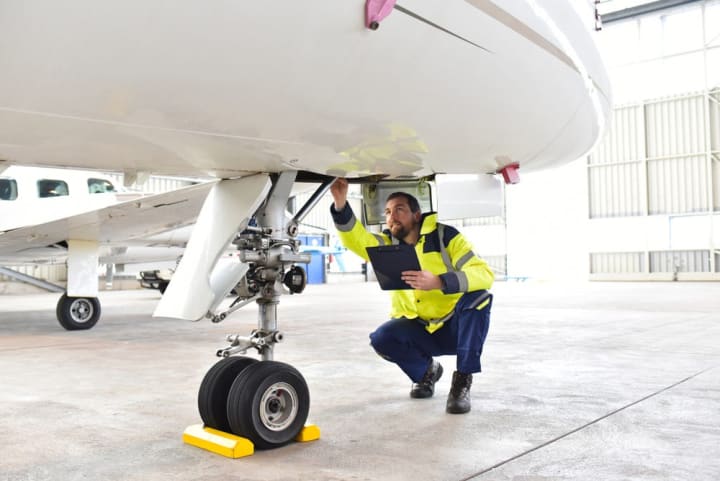
Training and education are crucial components of becoming a successful aircraft technician. To enter this field, candidates typically need formal training, which equips them with the necessary technical skills and hands-on experience. Institutions like FOX Valley Technical College play a vital role in preparing students for careers in aviation maintenance. The college offers a comprehensive two-year program specifically designed to provide students with both theoretical knowledge and practical skills essential for excelling in the industry. The FOX Valley Tech program stands out for its emphasis on hands-on learning, which is critical for developing the proficiency needed to work with complex aircraft systems. Students gain practical experience through laboratory work, real-world simulations, and internships, ensuring they are well-prepared for the demands of the job. This approach not only helps students understand theoretical concepts but also allows them to apply these concepts in practical scenarios, bridging the gap between classroom learning and real-world application.
Many students enrolled in such programs find employment opportunities even before they complete their degrees, highlighting the strong demand for skilled technicians and the effectiveness of these training programs in meeting industry needs. The early employment opportunities reflect the value that employers place on the skills and training provided by these educational programs, as well as the industry’s recognition of the need for well-trained professionals.
Adam Waterman, a student at FOX Valley Tech, encapsulates the appeal of this field with his enthusiasm: "I’ve always been interested in mechanical things and getting my hands dirty. The hands-on experience I’m getting now is invaluable." This sentiment underscores the importance of practical training in preparing for a career as an aircraft technician. The opportunity to work directly with aircraft systems and components provides students with invaluable skills and experience that are highly valued by employers. Formal training and education are essential for aspiring aircraft technicians. Programs like those at FOX Valley Technical College offer a robust foundation of technical knowledge and hands-on experience, ensuring that graduates are well-equipped to meet the demands of the aviation industry. The strong employment prospects and the positive feedback from students highlight the effectiveness of these programs in preparing individuals for successful careers in aircraft maintenance.
The Job Experience
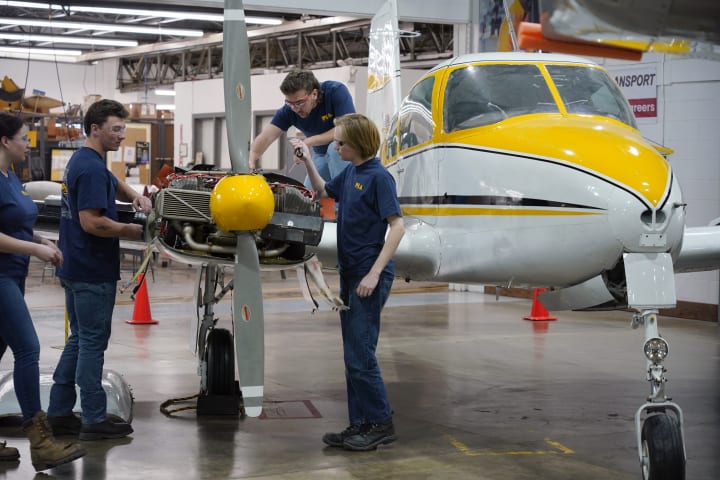
The day-to-day responsibilities of an aircraft technician are both diverse and critical to the aviation industry. Technicians are tasked with inspecting, repairing, and maintaining various aircraft systems to ensure that they meet stringent safety and performance standards. Their work encompasses a wide range of duties, from conducting routine maintenance checks and addressing minor issues to performing complex repairs and overhauls on advanced aircraft systems. Each of these tasks is essential for ensuring the safety and reliability of flights, making the technician’s role fundamental to the smooth operation of airlines.
Routine maintenance tasks include checking and replacing components, performing diagnostic tests, and ensuring that all systems are functioning correctly. Technicians also address any discrepancies or malfunctions that arise, using their expertise to troubleshoot and resolve issues efficiently. Complex repairs may involve disassembling and reassembling engine parts, calibrating avionics systems, or conducting detailed inspections of structural components. The variety of tasks ensures that no two days are the same, providing a stimulating work environment where technicians continuously engage with different aspects of aircraft maintenance. For those passionate about aviation and mechanics, the role of an aircraft technician offers a rewarding blend of technical challenges and professional satisfaction. The hands-on nature of the job allows technicians to work directly with advanced technology and machinery, which can be deeply fulfilling for individuals with a strong interest in mechanical systems and aviation. The sense of accomplishment that comes from solving intricate problems and performing critical repairs is significant.
Moreover, witnessing the results of their work—such as seeing an aircraft successfully take off and knowing that their efforts contributed to its readiness—provides immense gratification. This direct impact on the safety and performance of aircraft underscores the importance of the technician’s role and contributes to a sense of pride and fulfillment in their work. For many technicians, the opportunity to be part of the aviation industry's operations and to play a crucial role in ensuring safe and efficient air travel is a source of great personal and professional satisfaction.
Final Thoughts
Aircraft technicians play a vital role in the aviation industry, and their efforts are well-compensated. With competitive wages, significant bonuses, and appealing benefits like flight perks, this career offers a range of rewards for those interested in aviation. If you’re ready to take on the challenge and enjoy the perks of working in the skies, a career as an aircraft technician might be just what you’re looking for.
About the Creator
Horace Was
Essay Writer, Aviation and Technology Expert
Keep reading
More stories from Horace Was and writers in Education and other communities.
Aeronautical Engineering
Becoming an aeronautical engineer is like stepping into a world where cutting-edge technology meets the wonders of flight. If you’re fascinated by designing aircraft that push the boundaries of human capability, this field could be your dream career. However, before diving into the world of aeronautical engineering, several key aspects must be considered. Here’s a comprehensive guide to what you should know before embarking on this exciting journey.
By Horace Was2 years ago in Education
Visionary Leadership Driving Patient-Centered Healthcare Innovation
Healthcare systems around the world are changing fast. New technologies, new treatment methods, and new patient expectations are shaping the future of medicine. In this environment, strong and forward-thinking leadership plays a critical role. Visionary leadership helps healthcare organizations focus on innovation while keeping patient needs at the center of every decision. Leaders who think beyond short-term goals help create systems that improve patient care, access, and outcomes.
By Dr. Janet Cholletabout 13 hours ago in Education




Comments
There are no comments for this story
Be the first to respond and start the conversation.