
Unplugged: The Mental Health Impacts of Excessive Screen Time and How to Manage Them
Practical Strategies for Reducing Digital Stress and Enhancing Well-being


Screen Time and Stress: Understanding the Mental Health Implications of Our Digital Lives
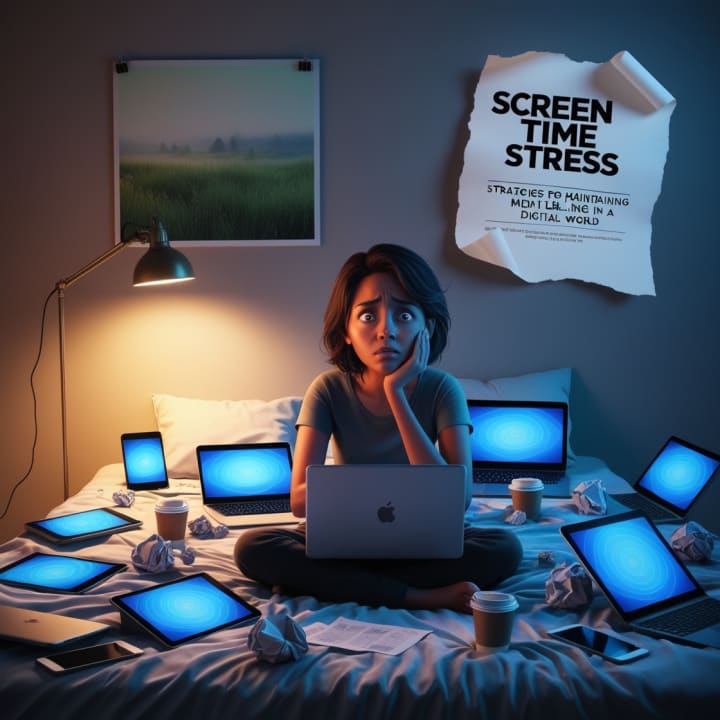
In today’s hyperconnected world, our screens have become omnipresent companions, constantly demanding our attention. While technology has revolutionized our lives in countless positive ways, the pervasive nature of screen time poses significant challenges to our mental well-being. From smartphones and laptops to tablets and smartwatches, the digital devices that are meant to enhance our productivity and connectivity can also lead to increased stress and anxiety.
The Digital Deluge: An Unceasing Flow of Information
Our brains are not wired to handle the unrelenting influx of information that modern technology brings. Each notification, email, or social media update interrupts our cognitive processes, leading to fragmented attention and heightened stress. This constant state of alertness, often referred to as “information overload,” can overwhelm our mental faculties, reducing our ability to concentrate and process information effectively. Consequently, we may find ourselves more irritable, anxious, and prone to burnout.
The Social Media Paradox: Connection or Isolation?
Social media platforms, designed to connect us, often have the opposite effect. The curated nature of social media feeds can lead to unrealistic comparisons and feelings of inadequacy. Seeing others’ highlight reels can make us feel as though our lives are less fulfilling by comparison, fostering a sense of loneliness and depression. Furthermore, the addictive nature of social media—engineered to keep us scrolling—can trap us in a cycle of seeking validation through likes and comments, which can be detrimental to our self-esteem and mental health.
Screen Time and Sleep Disruption
One of the most profound effects of excessive screen time is its impact on sleep. The blue light emitted by screens interferes with the production of melatonin, a hormone that regulates sleep-wake cycles. This disruption can lead to difficulty falling asleep, reduced sleep quality, and increased instances of insomnia. Poor sleep, in turn, exacerbates stress, anxiety, and other mental health issues, creating a vicious cycle that can be challenging to break.
The Workplace Woes: Digital Stress in Professional Settings
The modern workplace, with its reliance on digital communication, contributes significantly to our screen time and associated stress. The expectation of constant availability, coupled with the pressure to respond promptly to emails and messages, blurs the boundaries between work and personal life. This “always-on” culture can lead to chronic stress, as individuals struggle to disconnect and find time for rest and relaxation. Additionally, prolonged periods of sitting and staring at screens can result in physical ailments such as eye strain, headaches, and musculoskeletal problems, further impacting mental health.
Strategies for Managing Screen-Induced Stress
While the digital age poses significant challenges to our mental well-being, there are effective strategies we can adopt to mitigate the negative impacts of screen time. Here are some practical approaches:
Digital Detox: Taking Breaks from Screens
Implementing regular digital detoxes, where we consciously disconnect from screens for a set period, can help reduce stress and restore mental clarity. This can be as simple as designating screen-free hours each day or engaging in screen-free activities such as reading a book, going for a walk, or practicing a hobby.
Mindful Technology Use
Practicing mindfulness with technology involves being intentional about how and when we use our devices. Setting boundaries, such as turning off notifications during meals or family time, can help create a healthier relationship with technology.
Sleep Hygiene

To combat the effects of blue light on sleep, it is advisable to limit screen use before bedtime. Using blue light filters on devices, establishing a relaxing pre-sleep routine, and creating a screen-free sleep environment can significantly improve sleep quality.
Prioritizing Physical Activity
Incorporating regular physical activity into our daily routine can help offset the sedentary nature of screen time. Exercise is known to reduce stress, improve mood, and enhance overall mental health.
Seeking Support
If digital stress becomes overwhelming, seeking support from mental health professionals can provide valuable guidance and coping strategies. Counselling, therapy, or support groups can help individuals navigate the challenges of screen-induced stress.
Building a Balanced Digital Life
In conclusion, while screens are an integral part of modern life, their overuse can have detrimental effects on our mental health. By understanding the implications of excessive screen time and adopting strategies to manage our digital consumption, we can create a more balanced and fulfilling life. It is essential to recognize the power we have to control our relationship with technology, ensuring that it serves us rather than enslaves us. By taking proactive steps to reduce screen-induced stress, we pave the way for improved mental well-being, deeper connections, and a more mindful approach to our digital lives.
About the Creator
Reader insights
Nice work
Very well written. Keep up the good work!
Top insights
Compelling and original writing
Creative use of language & vocab
Eye opening
Niche topic & fresh perspectives
On-point and relevant
Writing reflected the title & theme
Keep reading
More stories from Abraham zeleke and writers in Education and other communities.
Atlas Aluminum Corp Parts Catalog: Aerospace Manufacturing, Aviation Hardware, and Industrial Aluminum Components
Introduction: My Research Into Atlas Aluminum Corp Parts Catalog While exploring aerospace hardware suppliers and industrial component manufacturers, I came across the Atlas Aluminum Corp Parts Catalog listed on the NSN platform. What fascinated me most was how manufacturers like Atlas contribute to the broader ecosystem of aerospace engineering, aviation structures, and industrial aluminum components.
By Beckett Dowhan8 days ago in Education



Comments (2)
Thanks for sharing
Nicely done it.