
Unlocking the Power of Vitamin C:
Exploring Its Health Benefits, Natural Sources, and Role in Daily Wellness

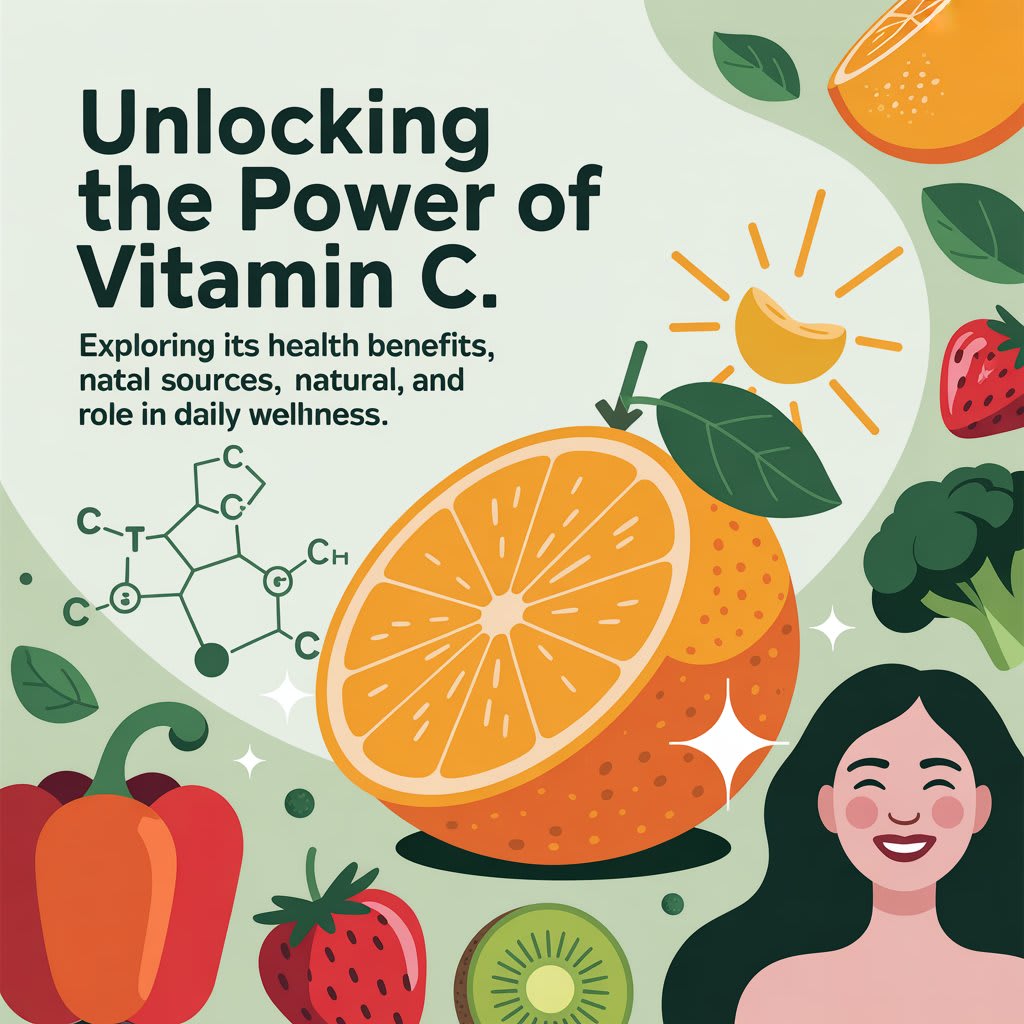
Vitamin C, also known as ascorbic acid, is one of the most vital nutrients for the human body. It’s water-soluble, which means our bodies can’t store it, and it must be consumed regularly through food or supplements. While it is popularly known as the go-to nutrient during cold and flu season, its benefits go far beyond just boosting the immune system.
This article explores the wide-ranging health benefits, the best natural sources of vitamin C, and its importance in maintaining overall wellness.
Health Benefits of Vitamin C
1. Boosts Immunity
One of the most well-known benefits of Vitamin C is its role in enhancing the immune system. It helps stimulate the production of white blood cells, which are crucial in fighting off infections. Moreover, it acts as an antioxidant, protecting immune cells from damage caused by free radicals. This makes it particularly important during illness or recovery.
2. Powerful Antioxidant
Vitamin C is a strong antioxidant that protects cells from oxidative stress. This oxidative damage, often caused by pollution, poor diet, and stress, contributes to chronic diseases like heart disease and cancer. By neutralizing harmful free radicals, vitamin C plays a role in slowing aging, reducing inflammation, and preventing cell damage.
3. Improves Skin Health
Vitamin C is a critical component in the production of collagen, the protein that keeps skin firm, youthful, and elastic. It helps in wound healing, reduces wrinkles, and can even help lighten dark spots when used topically. Many skincare products include vitamin C for this reason, but dietary intake is equally important.
4. Supports Heart Health
Studies suggest that regular intake of vitamin C may help lower blood pressure, improve blood vessel function, and reduce the risk of cardiovascular diseases. By promoting healthy circulation and reducing inflammation in the arteries, it plays a preventive role in maintaining heart health.
5. Enhances Iron Absorption
Vitamin C improves the absorption of non-heme iron, the type of iron found in plant-based foods. This is especially beneficial for vegetarians and those prone to iron deficiency anemia. Consuming iron-rich foods with a source of vitamin C, like spinach with lemon juice, significantly increases iron uptake.
Natural Sources of Vitamin C
Fortunately, Vitamin C is found in a wide range of delicious and affordable fruits and vegetables. Here are some of the best sources:
Citrus fruits – Oranges, lemons, limes, and grapefruits
Berries – Strawberries, raspberries, blueberries
Kiwi – Small but incredibly rich in vitamin C
Guava – One of the highest sources per serving
Bell peppers – Especially red ones
Broccoli and Brussels sprouts
Tomatoes
Papaya and pineapple
Mangoes and melons
Cooking can reduce vitamin C content, as it is sensitive to heat. Steaming vegetables or eating them raw is the best way to preserve their nutritional value.
Daily Requirements and Supplementation
The Recommended Dietary Allowance (RDA) for vitamin C varies by age, gender, and life stage:
Adult men: 90 mg/day
Adult women: 75 mg/day
Smokers: An additional 35 mg/day (due to higher oxidative stress)
In most cases, a balanced diet can easily meet these needs. However, some people may benefit from vitamin C supplements, especially those with poor diets, smokers, or individuals recovering from illness.
While vitamin C is generally safe, extremely high doses (over 2,000 mg per day) can cause side effects like stomach upset and kidney stones in rare cases.
Vitamin C and Daily Wellness
Incorporating vitamin C into your daily routine can have a profound effect on your overall wellness. It not only helps prevent and shorten the duration of colds but also promotes mental clarity, skin glow, and energy levels.
Regular consumption improves mood and cognitive function due to its role in neurotransmitter production, such as dopamine and serotonin. Many people report feeling more energetic and less fatigued when their vitamin C levels are optimized.
Also, since vitamin C fights oxidative stress, it may reduce the risk of chronic illnesses and contribute to long-term vitality. It’s a simple but powerful step in building a healthier lifestyle.
Conclusion
Vitamin C is much more than just an immune booster — it's a multi-functional nutrient that supports nearly every system in the body. From fighting infections to enhancing skin health, reducing inflammation, and improving iron absorption, its benefits are far-reaching.
By making small adjustments in your diet and lifestyle, like increasing your intake of citrus fruits, leafy greens, and colorful vegetables, you can unlock the power of vitamin C for yourself.
Whether through natural foods or supplements, making vitamin C part of your daily wellness routine is a smart and easy investment in your long-term health.
About the Creator
Amin Turabi
I'm Amin Turabi, a curious mind with a passion for health and education. I write informative and engaging content to help readers live healthier lives and learn something new every day. Join me on a journey of knowledge and wellness!
Keep reading
More stories from Amin Turabi and writers in Education and other communities.
The Doctor Who Never Sleeps
In the silent hours of the night, when most hospital corridors grow still and human doctors finally get a moment to rest, there is one physician who never closes their eyes. They do not tire, they do not yawn, and they do not forget. This is the doctor who never sleeps — and it’s not a person at all.
By Amin Turabi7 months ago in Education




Comments
There are no comments for this story
Be the first to respond and start the conversation.