
Unlocking the Mysteries of the Human Mind
A Comprehensive Exploration of How Psychology Shapes Our Thoughts, Emotions, Behavior, and Daily Life

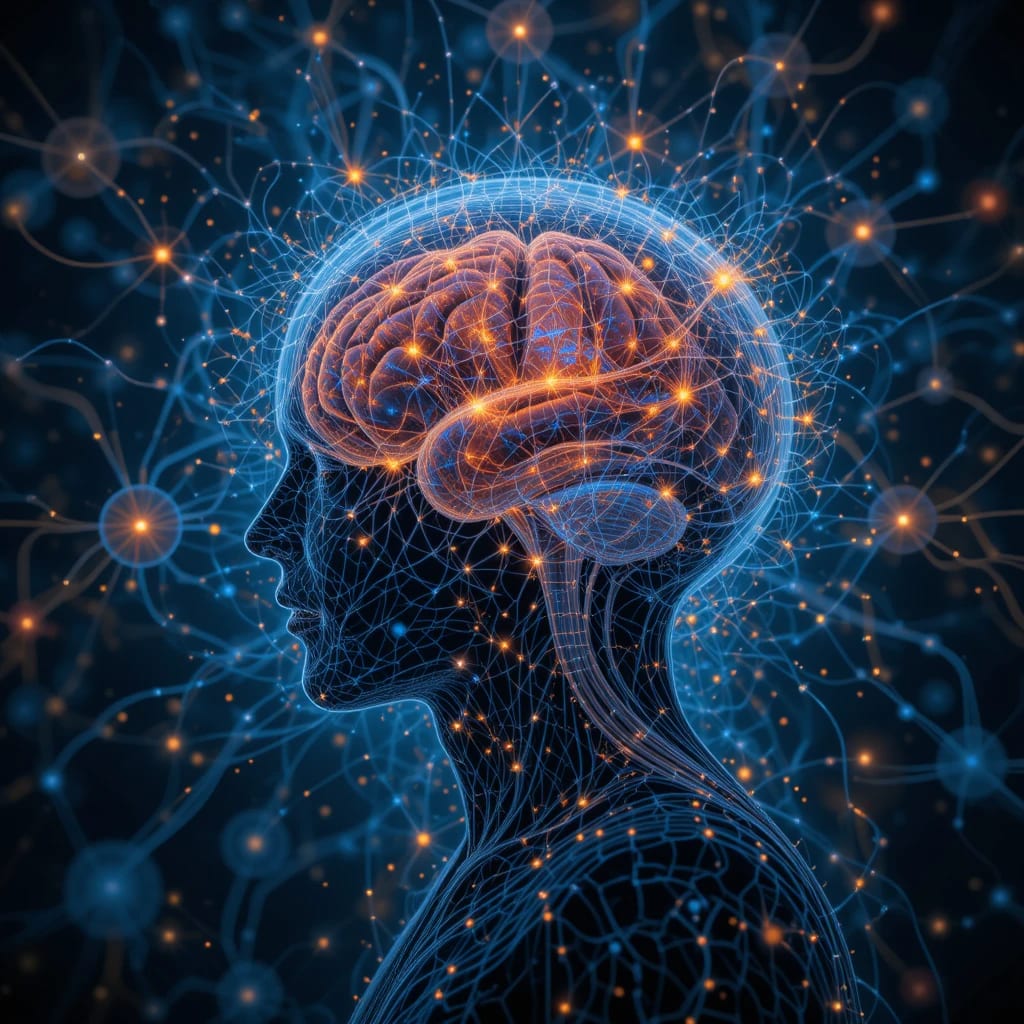
Exploring the Human Mind and Behavior
Psychology is the scientific study of the mind and behavior. It is a field that aims to understand how people think, feel, and act, both individually and in groups. As a discipline, psychology seeks answers to questions about mental processes, emotions, learning, memory, motivation, development, and social interaction. It combines elements of biology, sociology, philosophy, and even artificial intelligence to explain human nature.
A Brief History of Psychology
The roots of psychology can be traced back to ancient civilizations like Greece, Egypt, India, and China, where philosophers such as Socrates, Plato, and Aristotle pondered questions about the soul, reason, and behavior. However, psychology became a formal field of science in the late 19th century.
In 1879, Wilhelm Wundt, a German psychologist, established the first psychological laboratory in Leipzig, Germany, marking the birth of modern psychology. He focused on introspection—analyzing one's own conscious thoughts and feelings. Soon after, other schools of thought emerged:
Structuralism (Titchener) studied the structure of the mind.
Functionalism (James) focused on how mental processes help humans adapt.
Psychoanalysis (Freud) emphasized the unconscious mind.
Behaviorism (Watson, Skinner) focused on observable behavior.
Humanism (Rogers, Maslow) highlighted free will and self-growth.
Today, psychology is a dynamic science that uses rigorous methods to understand and improve human life.
Major Branches of Psychology
Psychology is not a single subject but a broad discipline with many subfields. Each branch explores different aspects of the human mind and behavior.
1. Clinical Psychology
This is perhaps the most well-known branch. Clinical psychologists assess, diagnose, and treat mental, emotional, and behavioral disorders. They work with people suffering from depression, anxiety, addiction, trauma, and other psychological issues. Treatment methods may include talk therapy, cognitive-behavioral therapy (CBT), and other interventions.
2. Cognitive Psychology
Cognitive psychology studies mental processes such as thinking, perception, memory, attention, language, and problem-solving. For example, researchers in this field investigate how people remember facts, make decisions, or solve puzzles.
3. Developmental Psychology
This branch focuses on how people change and grow throughout their lives. Developmental psychologists study physical, emotional, and social development in infants, children, adolescents, adults, and the elderly.
4. Social Psychology
Social psychology examines how individuals are influenced by others. It explores topics such as prejudice, group behavior, persuasion, conformity, and attraction. For instance, why do people behave differently in groups? How does peer pressure influence decision-making?
5. Educational Psychology
Educational psychology looks at how people learn and retain knowledge. It helps improve teaching methods, design curricula, and support students with learning difficulties. This branch is important in schools, colleges, and special education.
6. Industrial-Organizational Psychology
This field applies psychological principles to the workplace. Industrial-organizational psychologists work on employee motivation, job satisfaction, leadership, team performance, and organizational behavior. They also help with hiring and training.
7. Neuropsychology
Neuropsychologists study the relationship between the brain and behavior. They often work with people who have brain injuries, strokes, or neurological conditions like epilepsy or Alzheimer’s disease. Techniques like brain scans are used to examine brain function.
Why Psychology Matters
Psychology is more than an academic subject—it has practical applications in everyday life. Understanding human behavior and thought processes helps people improve relationships, make better decisions, manage stress, and achieve personal growth. Here are some reasons why psychology is important:
1. Mental Health and Well-being
Psychologists play a crucial role in promoting mental health. They help individuals understand their thoughts, emotions, and behaviors, offering tools for coping with anxiety, depression, trauma, and stress. As awareness of mental health grows, psychology is becoming increasingly vital to public health systems worldwide.
2. Education and Learning
Psychology helps teachers understand different learning styles and challenges students face. Educational psychologists work to make learning more effective by designing suitable teaching methods, creating inclusive environments, and supporting students with special needs.
3. Work and Productivity
In business settings, psychology improves employee satisfaction and productivity. Leadership training, stress management programs, and employee motivation strategies all draw on psychological research.
4. Relationships and Communication
Interpersonal skills, emotional intelligence, empathy, and conflict resolution—all are deeply rooted in psychological principles. Knowing how people think and feel helps individuals build stronger, healthier relationships.
5. Decision-Making and Behavior Change
Psychology helps explain why people make certain choices. Behavioral psychology is especially useful in areas like public health (e.g., encouraging exercise or quitting smoking), marketing, and policymaking.
Applications of Psychology in Daily Life
Psychology is everywhere, even if we don't always notice it. Here are some real-life examples:
Parenting: Developmental psychology helps parents understand their child’s growth stages.
Marketing: Advertisers use psychology to influence consumer choices.
Health: Psychologists help patients develop habits like exercising or eating healthy.
Sports: Sports psychologists work with athletes to boost focus and mental toughness.
Technology: Human-computer interaction experts use psychology to improve user experience in apps and websites.
The Future of Psychology
With advancements in neuroscience, artificial intelligence, and data analysis, psychology is entering a new era. Technologies like brain imaging, virtual therapy, and machine learning are transforming how psychologists work and what they can achieve. There’s also a growing focus on global mental health, cultural diversity, and community well-being.
Moreover, psychology is becoming more interdisciplinary. Collaborations between psychologists, doctors, educators, software developers, and social workers are helping to solve complex problems in creative ways.
Conclusion
Psychology is a fascinating and essential field that touches every part of human life. From understanding brain function to improving relationships, from therapy sessions to classrooms and offices, psychology helps us make sense of ourselves and the world around us. Whether you’re a student, parent, teacher, leader, or simply curious about human nature, learning about psychology can lead to greater empathy, insight, and personal growth.
As society evolves, so too will psychology—always seeking to unlock the mysteries of the mind and enhance the quality of life for all.
About the Creator
GoldenTone
GoldenTone is a creative vocal media platform where storytelling and vocal education come together. We explore the power of the human voice — from singing and speaking to expression and technique.
Keep reading
More stories from GoldenTone and writers in Education and other communities.
From Cricket Legend to Political Powerhouse
Imran Khan: The Rise, Fall, and Resilience of Pakistan’s Most Compelling Leader Few names stir such strong emotions in Pakistan — admiration, criticism, loyalty, and defiance — as Imran Khan. Once hailed as the golden boy of Pakistani cricket, Khan reinvented himself as a philanthropist, a political disruptor, and eventually the 22nd Prime Minister of Pakistan. His story is one of ambition, resilience, and controversy — a reflection of Pakistan itself: bold, complex, and constantly evolving.
By GoldenTone6 months ago in Education
Watching Wings Up Close, A Simple Guide to Garden Discovery
Learning how to identify lepidoptera species in your garden can turn a quiet moment outdoors into an exciting discovery. Butterflies and moths are more than colorful visitors. They are signs of a healthy space and active seasons. With a calm approach and a little practice, anyone can learn to notice their patterns and habits. This butterfly identification guide approach begins with slowing down and paying attention to small details that often go unseen.
By Akito Kawahara5 days ago in Education
Where Ownership Meets Impact: Exploring the Powerful Connection Between Equity and Giving
The relationship between equity and philanthropy in modern society reflects a growing awareness that wealth, ownership, and social responsibility are deeply interconnected. As economic systems evolve, individuals and organizations are increasingly recognizing that equity is not only a financial instrument but also a powerful lever for positive change. Philanthropy, once seen as separate from ownership and investment, is now being shaped by equity-driven thinking that prioritizes long-term impact over short-term relief.
By John Olin Killgore3 days ago in Education


Comments
There are no comments for this story
Be the first to respond and start the conversation.