
"Unlocking Financial Freedom: Embrace the Power of Innovative Money-Saving Strategies!"
Unconventional and Innovative Ways to Save Money Worldwide


In today's fast-paced world, saving money has become more important than ever. However, traditional methods such as budgeting and cutting expenses can only take us so far. To truly maximize our savings potential, we need to think outside the box and explore new ways to save money. In this article, we will delve into some unconventional and innovative strategies that people all over the world can adopt to boost their savings.
Embrace Minimalism:

One emerging trend that has gained significant traction in recent years is minimalism. By decluttering our lives and adopting a minimalist lifestyle, we can reduce our spending habits and focus on what truly matters. Minimalism encourages us to buy fewer material possessions, prioritize experiences over possessions, and eliminate unnecessary expenses. This approach not only saves money but also promotes a sense of fulfillment and contentment.
Share Economy:
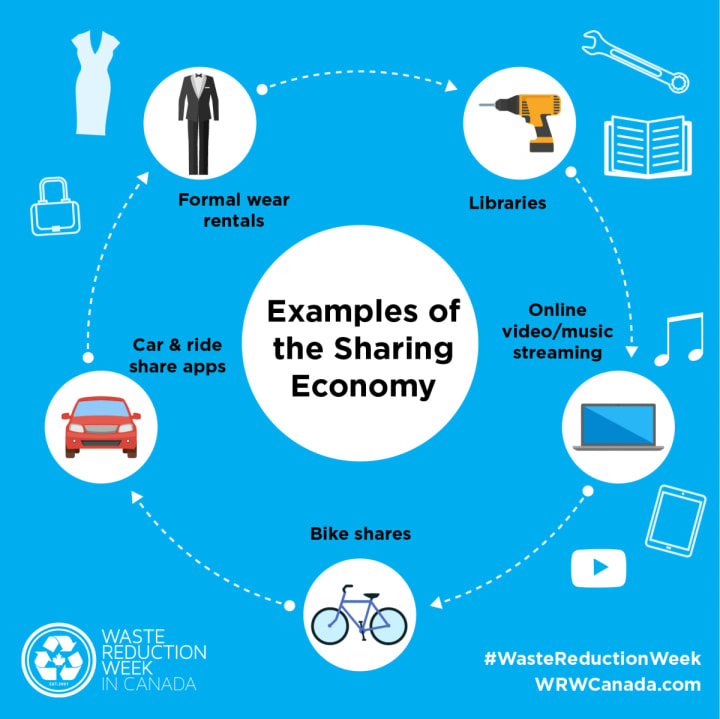
The rise of the sharing economy has provided numerous opportunities for people to save money. Platforms such as Airbnb, Uber, and BlaBlaCar enable individuals to share their resources and split costs. By renting out a spare room, carpooling, or sharing a ride, people can significantly cut down on accommodation and transportation expenses. Additionally, online marketplaces facilitate the sharing and borrowing of items, reducing the need for purchasing new products.
Renewable Energy:

As the world becomes more environmentally conscious, renewable energy options are gaining popularity. Installing solar panels or wind turbines can help individuals generate their own electricity and reduce reliance on the grid. While the initial setup costs may be significant, the long-term savings on energy bills can be substantial. Governments and organizations often offer incentives and subsidies to encourage the adoption of renewable energy, making it an economically viable option.
Meal Planning and Batch Cooking:

Food expenses can be a significant drain on our finances, but with a little planning, we can save money and reduce waste. Meal planning involves creating a weekly menu and shopping list, enabling us to buy only what we need and avoid impulse purchases. Batch cooking is another effective strategy, where we prepare larger quantities of meals and freeze portions for later consumption. This approach saves time, reduces reliance on takeout, and minimizes food wastage, ultimately leading to considerable cost savings.
DIY and Upcycling:

Instead of buying new items, consider do-it-yourself (DIY) projects and upcycling. DIY allows you to repair or create products at a fraction of the cost of buying them new. From simple home repairs to crafting homemade gifts, the possibilities are endless. Upcycling involves repurposing old or discarded items into something new and functional. By tapping into your creativity, you can save money while also reducing waste and environmental impact.
Digital Subscriptions and Bundling:

In the digital age, subscriptions for entertainment, music, and software services can quickly add up. To save money, consider reviewing your subscriptions and eliminating those that are not regularly used. Additionally, look for bundled packages that combine multiple services at a discounted price. Many providers offer bundles that include internet, cable, and phone services, enabling you to reduce costs by consolidating your bills.
Bartering and Skill Exchange:

Bartering, the exchange of goods or services without involving money, is a concept that has been around for centuries. Engaging in bartering or skill exchange can be a great way to save money and tap into the expertise of others. You can trade your skills or services for something you need, such as a home repair, language lessons, or gardening help. Platforms and communities dedicated to bartering have emerged, making it easier to connect with like-minded individuals.
Conclusion:

Saving money is a universal goal, and with these unconventional and innovative strategies, people all over the world can boost their savings and improve their financial well-being. By embracing minimalism, sharing resources, adopting renewable energy, planning meals, engaging in DIY and upcycling, managing digital subscriptions, and exploring bartering and skill exchange, individuals can make significant strides toward their financial goals. These approaches not only save money but also contribute to a more sustainable and fulfilling lifestyle. So, why not start exploring these new ways to save money today?
About the Creator
SaQiB Naqvi
I'm on a mission to uncover my innermost thoughts and feelings.
Keep reading
More stories from SaQiB Naqvi and writers in Education and other communities.
"Become the Goddess of His Heart: How to Make Him Worship You"
Every woman can make one man to worship her truely Are you tired of feeling unappreciated and unsupported in your relationship? Do you long for a deeper connection and genuine love with your partner? If so, "Make Him Worship You" by Michael Fiore is the perfect guide for you.
By SaQiB Naqvi3 years ago in Education
Key Qualities to Look for in a Financial Advisor for Your Retirement Goals
Choosing a financial advisor is one of the most important decisions you will make as you prepare for retirement. The right advisor can help you create a strong financial plan, protect your savings, and guide you through complex decisions about investments, taxes, and income distribution. Since retirement planning involves long-term commitments, it is essential to work with someone who understands your goals and values. Knowing what to look for in a financial advisor ensures you choose a professional who can support your financial security for years to come.
By Keith D'Agostino6 days ago in Education
The Confidence Advantage: How Transparent Communication Builds Lasting Investor Trust
Investor relationships thrive on more than financial returns. While performance attracts attention, trust sustains commitment over time. In an environment shaped by rapid information flow and shifting market conditions, transparency has become one of the most powerful tools for building and maintaining investor confidence. When organizations communicate clearly and consistently, they strengthen relationships that endure well beyond short-term results.
By Michael Christopher Venturinoabout 15 hours ago in Education



Comments
There are no comments for this story
Be the first to respond and start the conversation.