
Unlock the Secrets to Lifelong Healthy Hearing: A Comprehensive Guide
The Ultimate Guide to Preserving Your Hearing: Tips and Tricks for a Lifetime of Sound
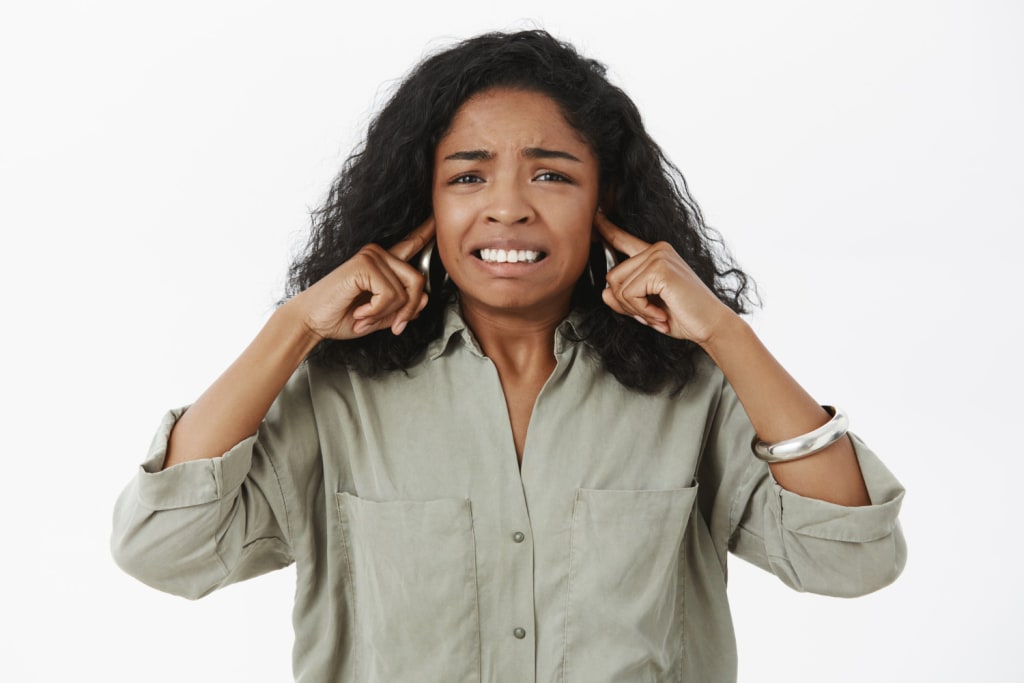
Hearing is a quality sense that directly impacts our quality of life. From engaging in conversations, enjoying music, and staying alert to our surroundings, our ability to hear highly influences our daily activities. It is crucial to always maintain the health of your ears which involves more than just protecting your ears from loud noises and seeking frequent checkups. This article dives deep into the common causes of hearing loss, strategies to improve hearing as well as the innovative hearing technology aid playing a major role in maintaining healthy hearing.
Take note of these signs of hearing loss
They include:
- Difficulty hearing clearly and misinterpreting information especially in a loud environment
- You always set your audio volume higher than other people would recommend
- Lagging in conversations.
- Stressed or tired when concentrating on long conversations.
- Always ask your peers to repeat themselves.
Common Causes of Hearing Loss and How to Avoid Them
Loud noise highly affects your hearing ability. Noise from loud music, snow blowers, or loud machinery can harm the inner ear and even result in permanent hearing loss. Loud noise can also cause tinnitus, common in older people, also described as ringing in the ears and emitting sounds like hissing, roaring, clicking, or buzzing. It appears in one or both ears and may be soft or loud. Always visit healthcare once you realize any issue when hearing. Avoiding loud environments, turning down sound on appliances, or using ear plugs helps to protect your ear.
Fluid or Ear wax buildup can lead to hearing loss by blocking sounds from the eardrum to the inner ear. Prolonged build-up can also cause pain in your ear, dizziness, discharge from the ear, and irritation amongst other issues. Once you come by these signs, your doctor may recommend procedures to soften earwax.
A ruptured eardrum can result in hearing loss. A ruptured eardrum is a tear or hole in the thin tissue that divides the ear canal from the middle eardrum. The eardrum can be run down by pressure, an infected object close to the ear. Consult with your doctor in case of pain from fluid drops from the ear.
Exposure to ototoxic drugs can hurt the inner ear. This medication is used to treat sensitive infections, heart disease, or cancer. Always give feedback to the doctor on the side effects after taking medication.
Genetic variations can lead to hearing loss. Inherited forms are detected at birth. Though some forms can prevail later in life. For instance, otosclerosis, thought to be a genetic disease, involves an abnormal growth in the middle ear that leads to progressive hearing loss.
Proven Strategies to Protect and Improve Your Hearing
Here are tips on how to protect your ears and improve hearing
- Embrace using hearing protection from loud noise or music
- Avoid listening to TV or radio at loud volumes for long periods
- Advocate against noise pollution at the workplace
- Avoid using cotton buds or ear candling
- Take regular hearing tests. Also available online
- Keep your stress levels under control
- Ensure your ears are always dry
- Take regular breaks from loud noise. It is proved that it takes 16 hours of silence to recover from a loud night.
- Regular exercise plays a major role in protecting your ears.
- Limit your exposure to ototoxic drugs and chemicals, and follow your doctor’s advice regarding medication use.
- A healthy diet also plays a significant role in health hearing. Incorporating nutrients like omega-3 fatty acids, zinc, vitamins A, C, and E, and magnesium maintains healthy hearing.
Cutting-edge hearing Technologies and Innovations
Assistive listening devices (ALDs) like hearing loop systems, help filter background noise and amplify the sounds you need to hear. Hearing loop systems use an electromagnet to send sound to the telecoil receiver in the user's hearing device. Telecoil is a coil of wire installed on many cochlear implants and hearing aids. It was designed to clear background noises over the telephone. It is also used with different assistive listening devices like FM systems, personal amplifiers, loop systems, and infrared systems.
Alternative Communication Devices make it possible for a one-on-one interaction. The simplest communication device involves a touch screen or picture board where you simply point to the item or activity you need to communicate. Speech-generating devices aid in translating pictures or words into speech. Different models allow you to choose between child or adult, male or female voices.
Alerting device innovations use a combination of light, vibrations, or sounds to portray a signal in a particular event. Visual alerts monitor household sounds and signals by a flash of light or vibration on your phone. Portable vibration devices are also available and can inform parents when a baby cries.
Conclusion
Healthy hearing is crucial for a high quality of life. This is achieved by recognizing signs related to hearing loss and adopting preventive measures that can preserve and protect your hearing abilities. Regular check-ups ensure that issues are detected and addressed before complications. Educating yourself and others on related initiatives can help create a community that prioritizes hearing health. Take care of your ear today for beautiful sounds tomorrow.
FAQS
1. What are the best hearing supplements?
The best hearing supplements include; omega-3 fatty acids, vitamin A, Vitamin C, vitamin E, magnesium, and zinc among others capable of maintaining your hearing abilities. Supplements should complement a healthy lifestyle that involves regular exercise, a balanced diet, and protection from the noise for optimal protection.
2. How often should you get your ear checked?
It is recommended to check your ear after a few years and even more regular sessions for old age people. But if you are experiencing any sign of hearing loss, you should reach out immediately to your doctor.
3. Can hearing loss be reversed?
Yes. Some types of hearing loss can be cured such as those caused by ear wax build up or infection. However, types like old age scenarios or noise-induced hearing loss are usually permanent but can be managed using other treatments and use of hearing aids.
About the Creator
Keep reading
More stories from Peter Murage and writers in Education and other communities.
Ashwagandha: The Ultimate Adaptogen for Testosterone and Stress Relief
Withania somnifera, the scientific name of ashwagandha, is considered a drug of ‘Rasayana,’ a Sanskrit word that transposes to the path of necessity. It is a powerful adaptogenic herb used in traditional Ayurvedic medicine for centuries. Known for its numerous health benefits, ashwagandha has gained popularity in modern wellness practices, particularly for its ability to boost testosterone levels and manage stress effectively. This article delves into the science that links ashwagandha to testosterone, its mechanism, dosage, and usage, and how to monitor and maintain testosterone levels.
By Peter Murage2 years ago in Marriage
How to Implement Digital Signage in Your Pharmacy
I'll never forget the first time I walked into a pharmacy with digital signage displays showing real-time prescription wait times and health tips. As someone who'd spent years waiting in line wondering how much longer I'd be there, seeing that information displayed so clearly felt revolutionary. That experience stuck with me, and when I later helped my cousin implement digital signage in her independent pharmacy, I realized just how transformative this technology could be for both pharmacy owners and customers.
By Jerry Kane 2 days ago in Education
Prevention First: How Proactive Medical Care Builds Stronger Communities
Preventive medical care plays a critical role in shaping healthier communities. When people receive care before illness develops, they avoid many severe conditions. This approach improves quality of life and reduces strain on healthcare systems. Moreover, prevention supports long-term wellness rather than short-term treatment. Communities that prioritize preventive care experience lower rates of chronic disease. As a result, individuals remain active and productive. Preventive care, therefore, serves as the foundation for sustainable public health.
By St. John's Community Health4 days ago in Education




Comments
There are no comments for this story
Be the first to respond and start the conversation.