
"Unleashing Success: The Transformative Power of "The Lean Startup" by Eric Ries in Revolutionizing Business Strategies"
The Lean Startup Revolutionizing Business Strategies"
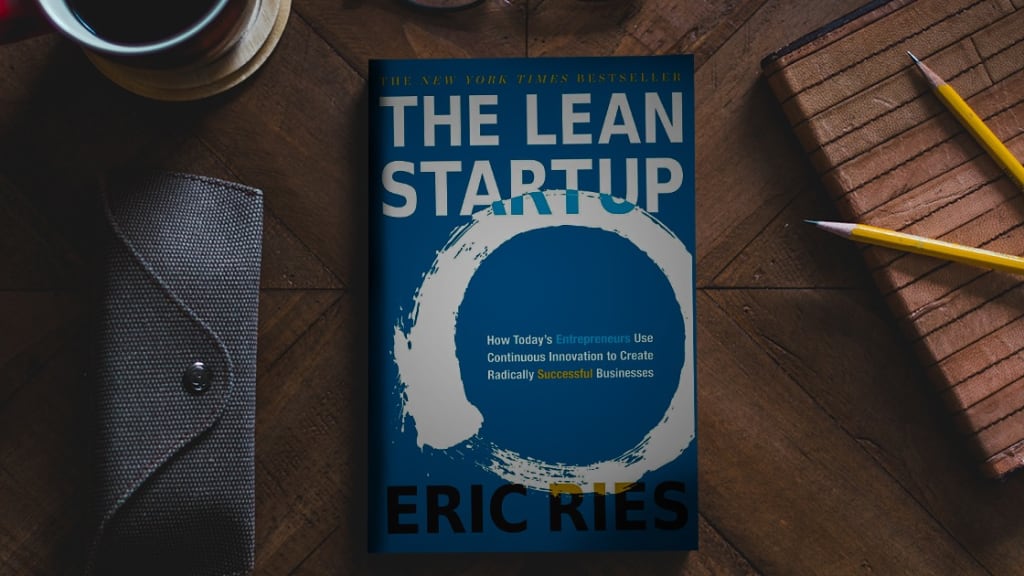
Introduction: "The Lean Startup" by Eric Ries is a groundbreaking book that challenges traditional business models and offers a new approach to entrepreneurship. Ries introduces the concept of "lean startup," which focuses on continuous innovation, rapid experimentation, and customer feedback to build successful businesses in an uncertain and rapidly changing world. This article provides a comprehensive summary of the key ideas and principles presented in "The Lean Startup."
READ AND LISTEN TO THIS BOOK HERE
The Problem with Traditional Business Models: Ries starts by addressing the limitations of conventional business practices, highlighting the high failure rates of startups. He emphasizes that the prevalent "build it and they will come" mentality often leads to wasted time, resources, and efforts. Ries argues that entrepreneurs need to adopt a more scientific approach that minimizes waste and maximizes learning.
READ AND LISTEN TO THIS BOOK HERE
The Build-Measure-Learn Feedback Loop: At the core of the lean startup methodology is the Build-Measure-Learn feedback loop. Ries encourages entrepreneurs to create a Minimum Viable Product (MVP) - a basic version of their product or service - and release it to the market as quickly as possible. By measuring and analyzing customer feedback and behavior, entrepreneurs can learn valuable insights that guide further iterations and improvements.
READ AND LISTEN TO THIS BOOK HERE
Validated Learning: Ries emphasizes the importance of validated learning, which involves testing assumptions and hypotheses through real-world experiments. Instead of relying solely on intuition or guesswork, entrepreneurs should gather data from early adopters and use it to make informed decisions. This approach helps businesses make necessary adjustments early on and avoid wasting resources on unproven assumptions.
READ AND LISTEN TO THIS BOOK HERE
The Pivot: Ries introduces the concept of a pivot, which is a strategic change in direction based on validated learning. Startups must be adaptable and willing to pivot when they discover that their initial assumptions are incorrect or need adjustment. The goal is to find a sustainable business model that aligns with customer needs and market demands.
READ AND LISTEN TO THIS BOOK HERE
Innovation Accounting: To measure progress effectively, Ries introduces the concept of innovation accounting. Traditional financial metrics are insufficient for startups since they primarily focus on revenue and profits. Instead, entrepreneurs should track actionable metrics that reflect progress, such as customer acquisition rates, customer satisfaction, and iteration speed.
READ AND LISTEN TO THIS BOOK HERE
The Three Engines of Growth: Ries highlights three engines of growth: sticky engine, viral engine, and paid engine. These engines represent different strategies for acquiring and retaining customers. By understanding each engine and experimenting with various growth tactics, entrepreneurs can find the most effective approach for their business.
READ AND LISTEN TO THIS BOOK HERE
Building a Culture of Innovation: Ries emphasizes the importance of fostering a culture of innovation within organizations. This involves encouraging employees to embrace experimentation, take calculated risks, and learn from failures. Ries also emphasizes the need for cross-functional collaboration and feedback loops to promote learning and continuous improvement.
READ AND LISTEN TO THIS BOOK HERE
Applying Lean Principles Beyond Startups: While "The Lean Startup" primarily focuses on startups, Ries argues that lean principles can be applied to any organization. Established companies can benefit from adopting an entrepreneurial mindset, embracing experimentation, and fostering a culture of innovation. Ries provides examples of large companies that have successfully implemented lean practices.
READ AND LISTEN TO THIS BOOK HERE
Conclusion: "The Lean Startup" by Eric Ries provides a revolutionary framework for building successful businesses in today's fast-paced and uncertain market. By prioritizing validated learning, embracing experimentation, and focusing on customer feedback, entrepreneurs can minimize waste, accelerate innovation, and increase their chances of success. Ries's insights have transformed the way entrepreneurs approach startups, inspiring a shift toward lean principles that continue to shape the business landscape.
READ AND LISTEN TO THIS BOOK HERE
About the Creator
Keep reading
More stories from writers in Education and other communities.
The Electric Command Center: China’s $7 Billion EV Fleet Revolution (2026-2034)
In 2026, the silhouette of the Chinese skyline is defined not just by skyscrapers, but by a quiet, invisible revolution. The traditional roar of diesel engines in logistics hubs from Shenzhen to Shanghai is fading, replaced by the high-tech hum of a fully electrified commercial world. But the true story isn't just about the vehicles; it’s about the "intelligence" managing them.
By Neeraj kumar2 days ago in Education




Comments
There are no comments for this story
Be the first to respond and start the conversation.