
Understanding Warehouse Types, Importance, and Warehouse Management Systems (WMS)
Warehouse Management Systems Software

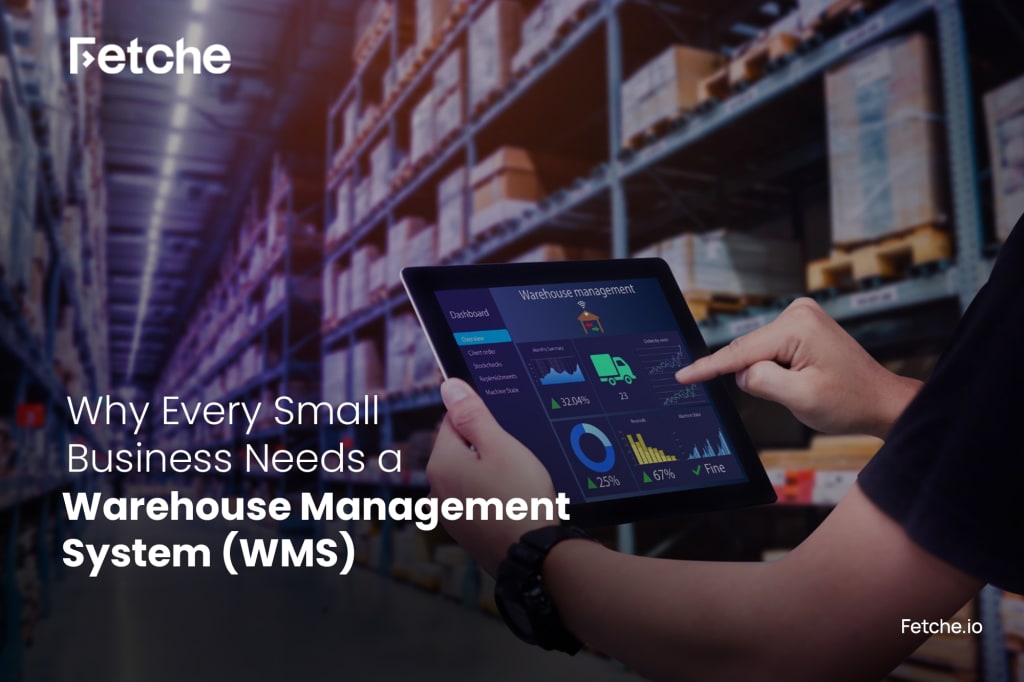
A Warehouse Management System (WMS) is essential for optimizing warehouse operations and boosting overall supply chain efficiency. In today's competitive market, companies that continue using manual processes often find it difficult to meet growing customer expectations. A WMS enhances not only speed and accuracy but also supports regulatory compliance, reduces costs, and improves customer satisfaction.
When selecting a WMS, businesses should focus on factors like seamless integration, scalability to grow with business needs, and key features such as real-time inventory tracking, detailed reporting, and mobile access for greater flexibility.
In the logistics and supply chain industry, the warehouse plays a pivotal role. It's more than just a storage space; it is the foundation for efficient inventory management, order fulfillment, and customer satisfaction. Let's dive into the various types of warehouses, why they are essential, how a Warehouse Management System (WMS) works, and explore some useful tools like FETCHE.
Types of Warehouses
There are different types of warehouses, each designed to meet specific business needs. Here are the most common types:
Private Warehouses: Owned by manufacturers, wholesalers, or retailers, these warehouses cater to the specific needs of the company.
Public Warehouses: These are third-party warehouses available for rent, typically used by small businesses or startups that do not have the resources to own a warehouse.
Distribution Centers: These warehouses focus on fast-moving products and play a critical role in the supply chain, as they are designed for quick distribution to customers.
Bonded Warehouses: Typically used for importing and exporting, bonded warehouses store goods without the need for immediate payment of customs duties.
Smart Warehouses: Automated warehouses that utilize advanced technologies like AI, robotics, and IoT to manage and streamline operations.
Why Are Warehouses Important?
Efficient Inventory Management: Warehouses allow businesses to store excess inventory, ensuring they can meet customer demand without delay.
Order Fulfillment: With a proper warehouse system, products can be picked, packed, and shipped to customers quickly and accurately.
Cost-Effective Storage: Instead of holding all inventory at one location, warehouses help businesses spread their stock, reducing transportation costs.
Better Risk Management: Warehouses allow for stockpiling during uncertain times or when prices fluctuate.
How a Warehouse Management System (WMS) Works
A Warehouse Management System (WMS) is a software application designed to help control and manage warehouse operations from the time goods or materials enter a warehouse until they move out. It streamlines day-to-day processes like inventory tracking, picking and packing orders, and receiving shipments. Here's how it typically works:
Inventory Tracking: The system updates the inventory status in real-time, ensuring accuracy and visibility at all stages.
Receiving Goods: When goods are received, the WMS records their details, updates the inventory, and assigns the items to appropriate storage locations.
Picking & Packing: For order fulfillment, the WMS helps warehouse staff by suggesting the most efficient routes to pick and pack items, ensuring quick and error-free deliveries.
Shipping & Dispatch: Once packed, the system records shipment details, providing updates to the customer and ensuring proper handling of the shipping process.
Warehouse Management System Tools
There are various tools integrated into WMS platforms that help streamline warehouse operations. One of the useful tools used in the industry is FETCHE.
FETCHE is an advanced warehouse management tool designed to simplify inventory and order management. With features like real-time tracking, automated workflows, and data analytics, FETCHE empowers businesses to optimize warehouse operations, reduce errors, and improve efficiency.
Key features of FETCHE include:
Automated Inventory Management: Ensures accurate tracking of products.
Order Fulfillment Tools: Streamlines the picking, packing, and shipping process.
Real-Time Data Analytics: Provides insights into warehouse performance and areas for improvement.
Conclusion
Warehouses are the cornerstone of any successful supply chain, offering more than just storage – they ensure efficient inventory management, order fulfillment, and cost savings. With the rise of e-commerce and global trade, having the right type of warehouse and implementing a Warehouse Management System (WMS) like FETCHE is crucial for streamlining operations and improving customer satisfaction. Whether you manage a small business or a large enterprise, leveraging the power of a WMS can help you stay competitive, enhance productivity, and meet ever-evolving customer demands.
About the Creator
FETCHE
Transform your logistics operations with Fetche, the ultimate Logistics Management Software.Contact us today for more information and to schedule a free demo. Discover how Fetche can revolutionize your logistics management.
Traphall Romance
Traphall Romance: The Global Love Sound Quietly Redefining Modern Music Genres rarely announce themselves. They show up gradually — in playlists, in late-night listens, in songs people can’t stop replaying but struggle to describe. Traphall Romance is one of those sounds. It isn’t a trend pushed by labels or an algorithmic invention. It’s a feeling that’s been building across continents, shaped by artists who live between cultures and write about love the way it actually feels now — complicated, intense, intoxicating, and often unresolved.
By K.y.e Dynasty Recordsabout 16 hours ago in Education
Earning Money Online Through Freelancing
Earning Money Online Through Freelancing In today’s digital world, earning money online has become easier than ever before. One of the most popular and trusted ways to make money online is through freelancing. Freelancing allows people to work independently, use their skills, and earn income without being tied to a traditional office job. With just a computer, an internet connection, and useful skills, anyone can start freelancing from anywhere in the world.
By Bilal Mohammadi5 days ago in Education


Comments
There are no comments for this story
Be the first to respond and start the conversation.