
Understanding the Excretory system and the Process of Urine formation.
A comprehensive guide to Excretory system in organisms
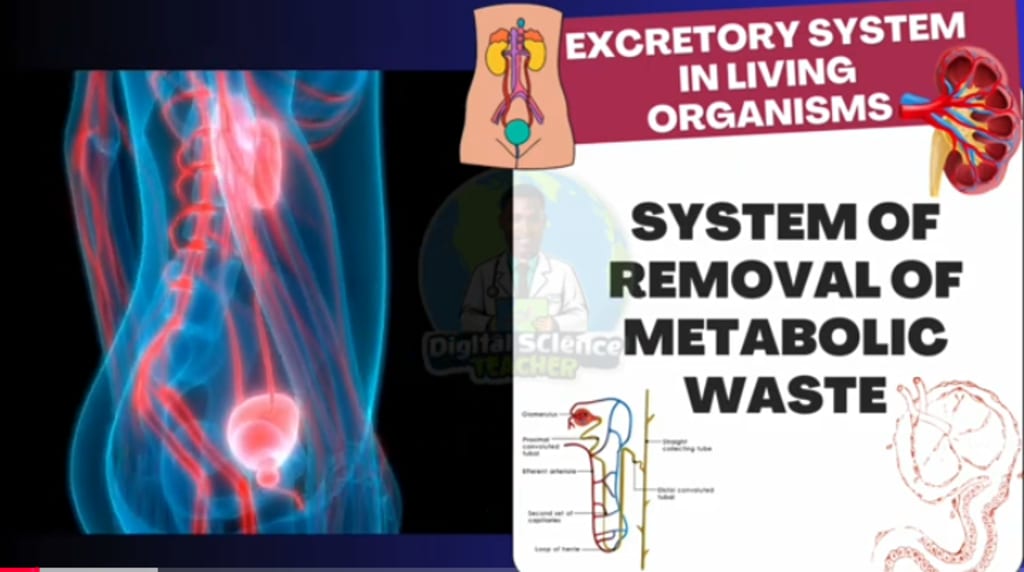
MExcretion and the Excretory System: A Comprehensive Guide
Welcome back to another insightful biology lesson! At Digital Science Teacher, I, Mr. Kehinde Adesina, your trusted biology tutor, am thrilled to guide you through this fascinating exploration of excretion and the excretory system. Let's dive deep into the processes that keep living organisms healthy by removing waste products generated during metabolism.
What is Excretion?
Excretion is the biological process by which living organisms remove waste products of metabolism from their bodies. Unlike egestion (removal of undigested food) or secretion (production of useful substances like enzymes), excretion specifically deals with eliminating harmful metabolic byproducts. Without this critical process, toxic substances could accumulate and disrupt the body's delicate balance.
Importance of Excretion
1. Eliminating Harmful Substances: Excretory products, such as ammonia or carbon dioxide, are toxic and must be removed to prevent harm.
2. Preventing Poisoning: Some waste products are highly poisonous, and their accumulation can cause severe health issues.
3. Maintaining Water Balance: Excretion regulates water levels, ensuring homeostasis.
4. Regulating Salt Balance: It helps maintain optimal levels of salts in the body.
5. Supporting Metabolic Efficiency: Removing waste allows metabolic processes to function smoothly.
Excretory Systems Across Organisms
Organisms employ different organs and systems to excrete waste, depending on their complexity:
Protozoa (e.g., Amoeba): Use contractile vacuoles for excreting water, ammonia, and carbon dioxide via diffusion.
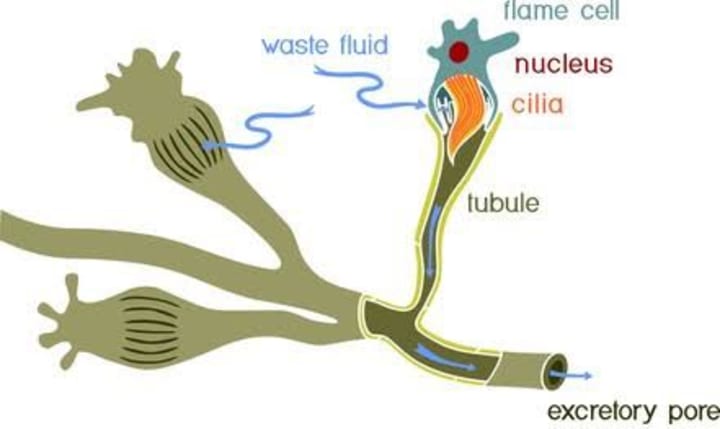
Flatworms (e.g., Planarians): Utilize flame cells to remove metabolic wastes.
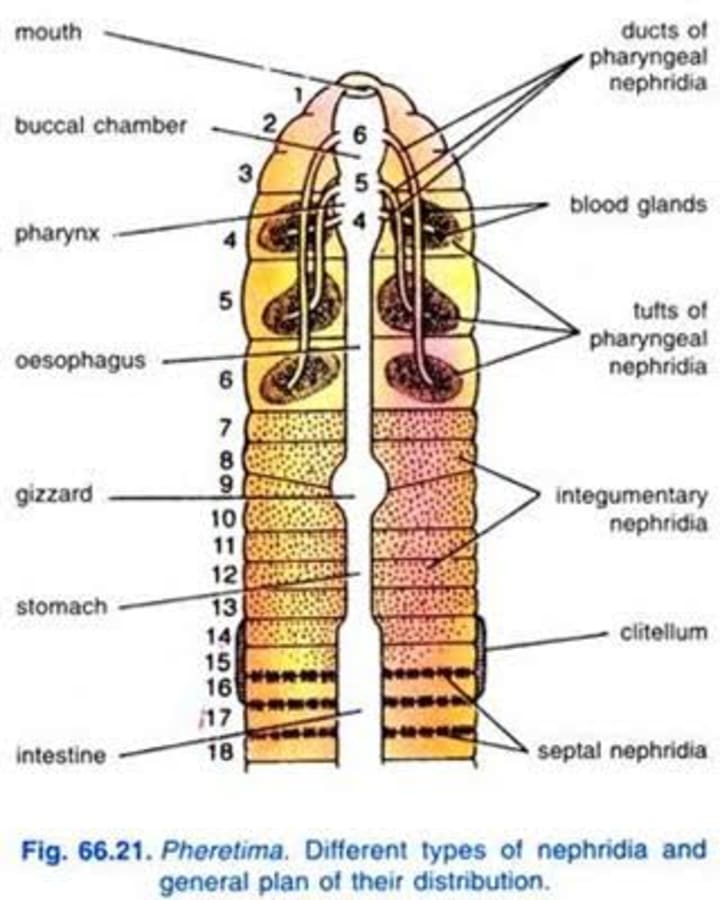
Earthworms: Employ nephridia, specialized tubules in each body segment, for waste removal.
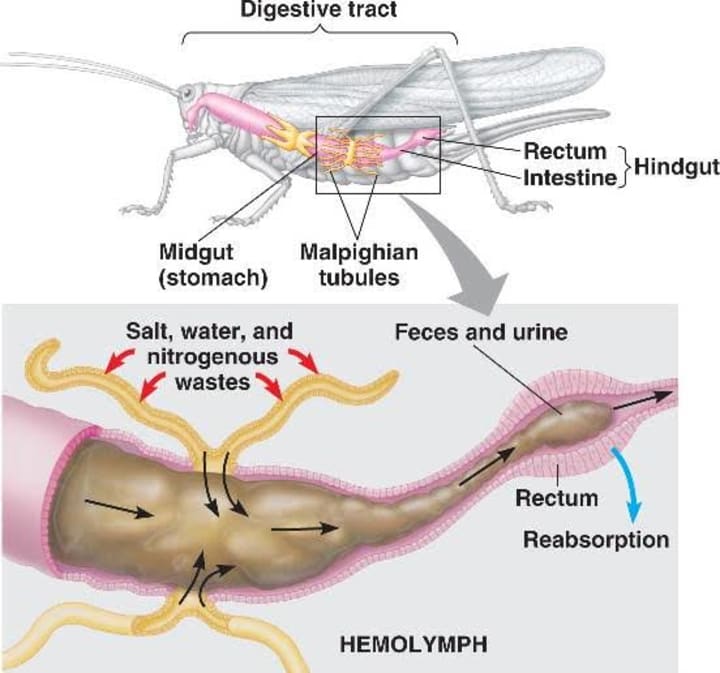
Insects (e.g., Grasshoppers): Depend on Malpighian tubules for excreting uric acid and water.
Fishes and Amphibians: Use kidneys to excrete nitrogenous waste and gills to remove carbon dioxide.
Reptiles, Birds, and Mammals: Primarily rely on kidneys, with birds and reptiles also excreting uric acid.
Flowering Plants: Excrete water, oxygen, and carbon dioxide through stomata and lenticels.

Excretory Products and Organs in Humans
Humans have a sophisticated excretory system comprising four primary organs:
1. Kidneys: Filter blood to remove urea, water, salts, and nitrogenous waste, forming urine.

2. Skin: Excretes sweat containing water, salts, and urea.

3. Liver: Eliminates bile pigments derived from hemoglobin breakdown.

4. Lungs: Expel carbon dioxide and water vapor during respiration.
The Kidney and Urine Formation
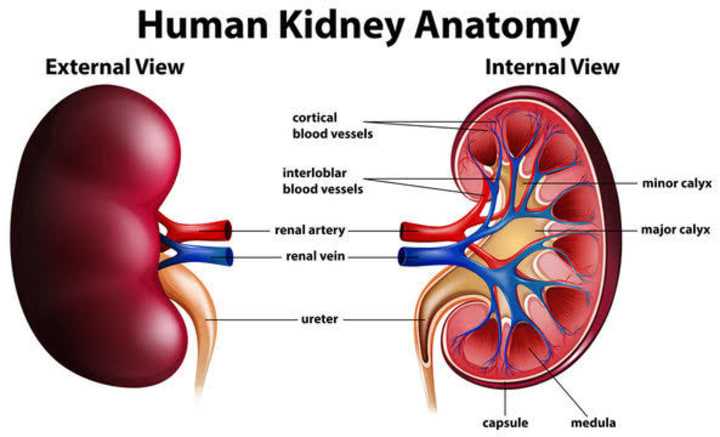
The kidneys are bean-shaped organs located in the abdominal cavity. They consist of two key regions: the cortex (outer layer) and the medulla (inner layer). The functional unit of the kidney is the nephron, which filters blood and forms urine through three stages
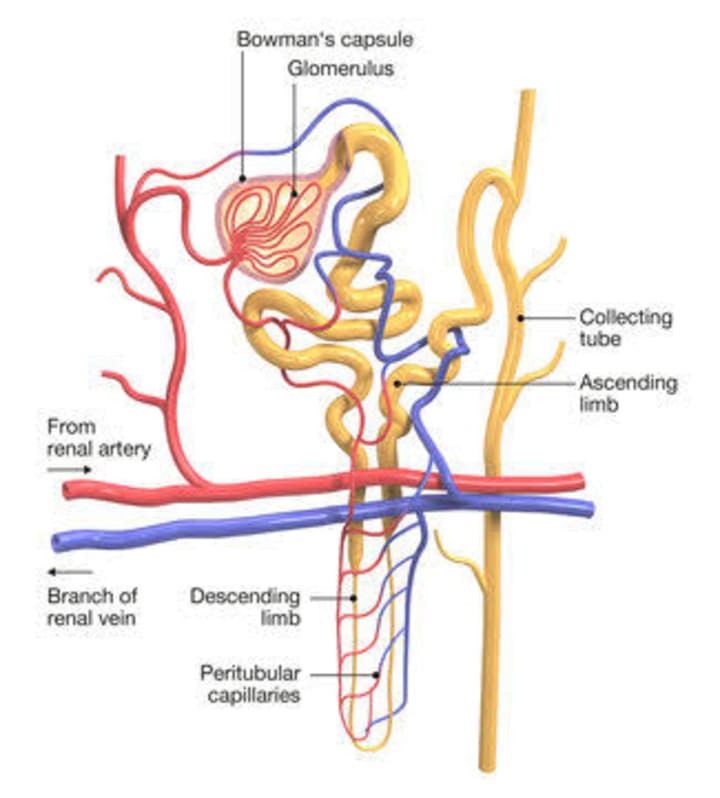
1. Ultrafiltration: Blood pressure forces water, salts, urea, and glucose from the glomerulus into the Bowman's capsule.
2. Selective Reabsorption: Useful substances like water, glucose, and salts are reabsorbed at the proximal convoluted and at the loop of Helen into the bloodstream.
3. Hormonal Secretion: Antidiuretic hormone (ADH) regulates water reabsorption, at the distal convoluted tubule, ensuring urine is concentrated.
The urine formed is transported via the ureters to the urinary bladder for temporary storage and is eventually excreted through the urethra.
Excretion in Flowering Plants
Unlike animals, plants lack specialized excretory organs. Instead, they use various structures to remove waste:
Stomata and Lenticels: Excrete water, oxygen, and carbon dioxide.
Bark and Dead Tissues: Store and shed waste products like tannins, gums, resins, and alkaloids.
Transpiration and Guttation: Help release excess water.
Quiz Time! Test Your Knowledge
Let's review what you've learned with a few multiple-choice questions. Write down your answers and check them below!
1. Which of the following is an excretory product of Amoeba?
A. Urea
B. Ammonia
C. Uric acid
D. Amino acid
2. Which organ in humans removes excess water?
A. Spleen
B. Kidney
C. Large intestine
D. Small intestine
3. The glomerular filtrate contains the following substances except:
A. Water
B. Urea
C. Blood corpuscles
D. Glucose
Answers:
1. B (Ammonia)
2. B (Kidney)
3. C (Blood corpuscles)
Final Thoughts
Excretion is a vital process that ensures the survival of organisms by eliminating toxic byproducts of metabolism. Whether through the contractile vacuole of an Amoeba, the nephrons in humans, or the stomata in plants, excretion demonstrates nature's efficiency in maintaining balance.
Keep studying, practicing, and aiming high. Remember, every step forward is a step closer to excellence. Until next time, this is Mr. Kehinde Adesina, get video of the lesson on Digital Science Teacher YouTube channel https://youtube.com/@digitalteacherng?si=mxO8NCjiyT4kUH_M
Signing off!
About the Creator
Keep reading
More stories from Kehinde Adesina and writers in Education and other communities.
The Mysterious Third Eye You Didn’t Know You Had
The Mysterious Third Eye You Didn’t Know You Had For centuries, humanity has been captivated by the mysteries of existence, especially those that transcend the physical world. From ancient spiritual practices to modern scientific inquiry, the allure of what lies beyond the observable has never wavered. One of the most intriguing concepts linked to these mysteries is the "third eye"—a mystical gateway to heightened intuition, insight, and spiritual awakening.
By Kehinde Adesinaabout a year ago in Education
Role of Technology in Modern Islamic Education
Islamic education has always been a cornerstone of Muslim life, guiding children and adults alike in spiritual, moral, and academic growth. Traditionally, learning took place in mosques, madrasas, or homes with direct guidance from teachers.
By Arslan Shahbaz3 days ago in Education
Best Advice for Home Buying in 2026
If you're considering buying a home in 2026, this is probably the top advice you could have. Whether this is your first home or your last home or anywhere in between, some of these things might be a given, some you probably already know, but some are important for 2026. Regardless, here's the best advice for home buying in 2026.
By Tammy Emineth5 days ago in Education



Comments (2)
Great piece! Simple but coincide explanation. Keep it up
Very Educative. Keep it up