
Understanding the Accuracy Levels in Scan to BIM Deliverables
Scan to BIM Accuracy Levels Demystified

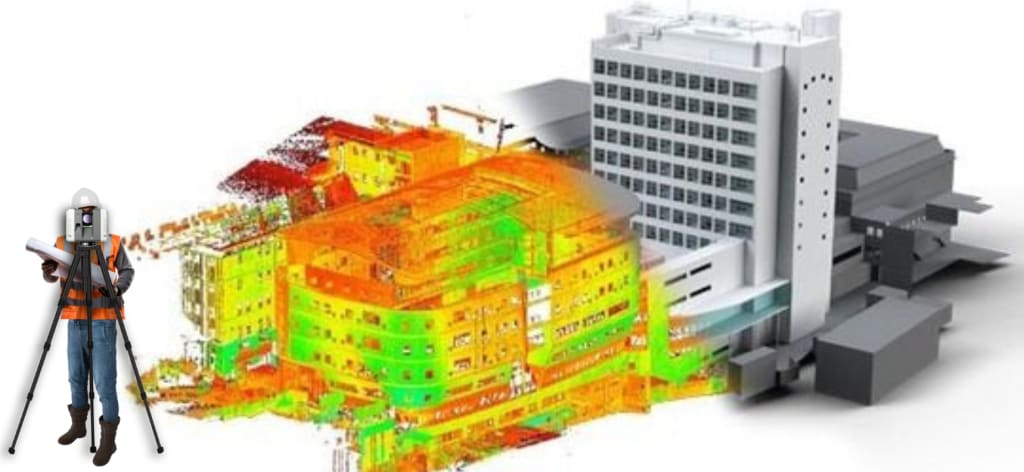
The AEC industry is quickly starting to use scan to BIM technology for making precise building information models (BIM). This blog looks into why accuracy matters in scan to BIM results. We will talk about how this technology has changed over time, explain what accuracy means in this area, and explore what affects it. We will also discuss ways to boost accuracy and answer some common questions.
The Evolution of Scan to BIM Technology
Evolution of Scan to BIM technology The arrival of scan to BIM is a big step forward in the architecture, engineering, and construction (AEC) field. This new process uses advanced 3D laser scanning technology. It captures real spaces and turns that data into smart BIM models. This change moves us away from older, slower methods. Instead, we get faster and more accurate digital workflows.
This change helps AEC workers mix real-life conditions into the BIM space easily. This mix improves teamwork, makes decision-making better, and helps everyone understand building projects better from start to finish.
Tracing the Origins of BIM and Its Impact on the AEC Industry
Building Information Modeling (BIM) has changed how the AEC industry does design, construction, and operation. Unlike traditional methods that mostly use 2D drawings, BIM provides a complete digital view of a building. It not only shows the physical parts but also includes important information about the building's life, like costs, materials, sustainability, and maintenance.
This combined method helps improve coordination among all the different people working on a project. BIM supports teamwork, reduces mistakes, and finds issues in the virtual space before they happen in real life.
The rise of BIM has greatly changed the AEC field. It has led to higher efficiency, lower costs, and better project results, making room for more sustainable and creative building practices.
From Traditional Methods to Advanced Scanning: A Historical Perspective
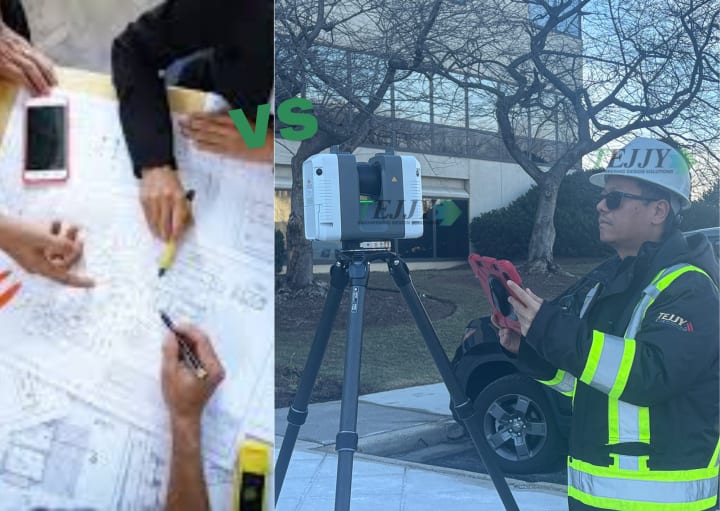
Before laser scanning became popular, traditional surveying methods were common in the AEC industry. These older methods often involved taking manual measurements and creating 2D drawings. They took a lot of time and were easy to mess up, providing only limited information for complex building projects.
When laser scanning technology was introduced, everything changed. Laser scanners use light beams to collect millions of data points. This creates point cloud data, which gives an accurate digital record of a building’s size and shape. With this point cloud data, we can make precise models for different uses.
The move from traditional methods to laser scanning has been key for developing scan to BIM. This technology allows us to create detailed BIM models from existing buildings. It connects the real world and the digital world in AEC work.
Defining Accuracy in Scan to BIM
In scan to BIM, accuracy means how well the BIM model matches the actual sizes and features of the building being recorded. This accuracy is very important for a successful scan to BIM project because it affects all future design, planning, and construction choices.
To achieve high accuracy, many things matter. This includes the quality of the scanning equipment used, the skill of the professionals involved, and the advanced software used during data processing and modeling phases.
Understanding the Concept of Accuracy in BIM Deliverables
Accuracy in BIM deliverables is not the same for all projects. It varies based on what each project needs. When we talk about accuracy in scan to BIM, we must first set the desired level of detail (LOD). LOD means how precise and detailed the information is in the BIM model.
A higher LOD means a more detailed model, which is often needed for complex projects and managing facilities. On the other hand, a lower LOD may work well for early design stages or when making as-built documents.
It's very important to define clear accuracy needs with the client before starting a project. By deciding on acceptable tolerance levels and LOD needs, stakeholders can make sure the finished BIM deliverable serves the project's purpose and helps in making good decisions.
Measuring Accuracy: Tools and Techniques
Measuring how accurate scan to BIM outputs are requires various tools and methods. The main tool is the laser scanner. High-quality laser scanners, set up to exact standards, help collect accurate data.
When processing data, advanced software uses smart algorithms. These algorithms remove noise, spot important features, and combine several scans into one point cloud. This careful process helps make the BIM model more accurate.
Choosing the right software and having skilled experts is very important too. BIM professionals use their knowledge of building standards and construction to turn point cloud data into workable BIM elements. This ensures the final model represents the actual structure accurately.
Key Factors Influencing Accuracy in Scan to BIM Projects
Getting high accuracy in scan to BIM projects relies on several factors. These factors can be grouped into three main areas: hardware, software, and human skills. It's important to know how each factor works to make the scan to BIM process better and reduce mistakes that might happen at different steps of the project.
By improving the weaknesses and making the best use of each factor, AEC professionals can create scan to BIM results that truly show the real-world environment. This ensures the project meets its specific needs.
The Role of Hardware: Scanners and Sensors
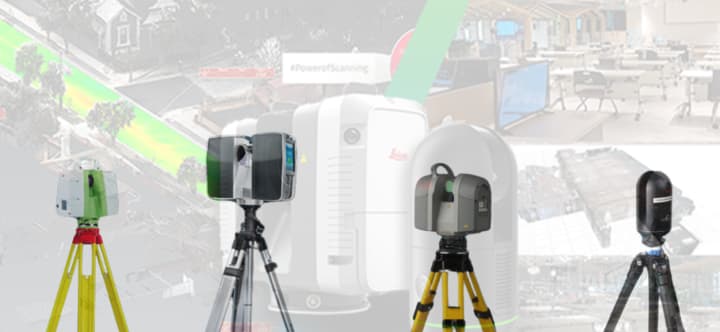
The hardware used in the scanning process is very important for accurate scan to BIM workflows. High-quality laser scanners with advanced sensors are vital for getting precise spatial data. They send out laser beams to measure distances and angles to nearby surfaces, creating point cloud images of the built environment.
Different types of scanners are suited for specific project needs. Tripod-mounted scanners work best in controlled areas. Meanwhile, mobile scanners that use simultaneous localization and mapping (SLAM) technology are great for moving or hard-to-reach places.
Choosing the right scanners and sensors affects the level of detail and accuracy in the final BIM model. It’s important to think about factors such as range, accuracy, and resolution, as well as any project-specific limits, to pick the best hardware.
Software Solutions: From Raw Data to Refined Models
Once the raw scan data is collected, advanced software plays a key role in the scan to BIM process. These programs are important for handling data processing. They change the point cloud into a format that is easier to use for BIM modeling. Data processing includes many steps, like reducing noise, matching point clouds, and aligning geometry.
Special algorithms help remove unnecessary data points, combine several scans into one coordinate system, and fix any misalignments or distortions. This careful processing leads to creating accurate and helpful BIM models.
Choosing the right software affects how accurate and efficient the scan to BIM workflow will be. Software with advanced features, like automatic object recognition, feature extraction, and clash detection, can greatly improve the precision and reliability of the final BIM deliverable.
Human Expertise and Error Margin in Scan to BIM Process
Advanced hardware and software are important for getting accurate scan to BIM results. However, human expertise is just as important. Skilled professionals know a lot about surveying principles, building codes, and BIM modeling best practices.
From the first step of planning the scan to the final look at the model, human input is key. It helps in understanding data, making good decisions, and ensuring the final BIM model meets industry standards. It’s crucial to recognize where errors might happen in each step of the scan to BIM process so we can work on reducing them.
Good training, following set workflows, and doing careful quality checks throughout the process help lower human error. Investing in training, promoting a focus on precision, and having solid quality assurance methods are vital for improving the accuracy of scan to BIM models.
Improving Accuracy in Scan to BIM Deliverables
Improving accuracy in scan to BIM work requires many steps. It focuses on the best practices for collecting data and using the latest technologies. Following industry standards during data collection and processing is key to creating precise BIM models.
Additionally, using advanced technologies like AI and machine learning can enhance the scan to BIM process. This can lead to unmatched accuracy and make the modeling easier. This complete strategy makes sure BIM models truly reflect what is already there.
Best Practices for Data Collection and Processing
Accurate scan data is very important. You need to pick the best laser scanner based on the size of the project and the detail you need. Doing site surveys can help find any obstacles. Planning where to scan is also a key step. This way, you can cover the whole area well.
When you process the data, it's important to use strong registration techniques to line up many scans. Using software tools that remove noise and unnecessary data points will help create a cleaner and more trustworthy dataset.
It's vital to regularly check and adjust your scanning equipment. Following industry standards for data acquisition and doing quality control checks during the process are also good practices. By adding these practices in your workflow, AEC professionals can help improve the accuracy and reliability of the final BIM output.
Advanced Technologies Enhancing Precision
Advancements in AI and machine learning are opening new paths for better scan to BIM precision. AI algorithms can analyze point cloud data and automatically find and sort building elements. This can greatly cut down manual modeling time and lessen human mistakes.
AI can also make existing data more accurate. For example, it can spot and fix issues in scan data caused by environmental factors or equipment problems. This leads to a clearer picture of the actual building.
Bringing these technologies into scan to BIM workflows is a big change. It allows for more automation, accuracy, and efficiency than ever before. As AI and machine learning keep improving, they will influence the future of scan to BIM. They will help create more precise and smart BIM models from point cloud data.
Conclusion
In conclusion, it is important to understand the accuracy levels in Scan to BIM deliverables. This understanding helps achieve precise and reliable results in the AEC industry. Technology has greatly changed traditional methods, showing how important accuracy is in BIM models. By using advanced scanning tools, software, and expert support, projects can reach higher accuracy. Following best practices for data collection and using new technologies improves precision. By understanding the details of accuracy and always working to improve, Scan to BIM projects can enhance efficiency and quality in construction. Check out the FAQ section to learn more about accuracy and precision in Scan to BIM projects.
Frequently Asked Questions
What is the difference between accuracy and precision in Scan to BIM?
In scan to BIM, accuracy is about how well the BIM model matches the actual measurements of the building. Precision, however, means how detailed and consistent the point cloud data is. This detailed point cloud data helps support the model and serves as a reliable basis for making design choices.
How do environmental conditions affect scan accuracy?
Environmental conditions such as rain, fog, or very high or low temperatures can affect laser beams when scanning. This can lead to problems with point cloud data. These factors may create noise and differences in the data, which can hurt the accuracy of the final model.
Can inaccuracies in Scan to BIM be corrected in the modeling phase?
It's usually better to fix mistakes in the early stages of data collection and processing rather than during BIM modeling. Although some errors can be reduced at the modeling stage, the changes might not match the building design perfectly. This can cause gaps or inconsistencies in the CAD model.
About the Creator
Sophia Andrews
Hello, I am Sophia Andrew , and I work as a BIM and Lidar Consultant for AEC industry. My work deals with comprehensive BIM solutions.
Keep reading
More stories from Sophia Andrews and writers in Education and other communities.
Making Architectural Design Great Again- A Bold Move or a Step Back?
Introduction In January 2025, the AEC sector in the USA was granted with a significant update. The recent executive order by President Trump mandating that all new federal buildings adhere to traditional and classical styles has sparked widespread debate in the architectural community. This directive has reignited debates about the role of architecture in shaping national identity and the balance between preserving heritage and embracing modernity. Proponents view the move as a return to timeless aesthetics that embody the values of democracy, stability, and permanence.
By Sophia Andrews11 months ago in Education
How Intentional Listening Transforms Leadership and Team Excellence
Leadership has long been associated with decisiveness, direction, and the ability to articulate vision. While these qualities remain essential, the most effective leaders today are distinguished by a different capability: their ability to listen with intention. As workplaces become more collaborative and knowledge-driven, leadership success increasingly depends on understanding people rather than simply directing them. Intentional listening allows leaders to grasp not only what is being said, but also what remains unspoken. This deeper understanding strengthens relationships, improves decision-making, and fosters trust. In high-performing teams, listening is not passive but strategic, shaping how leaders connect with individuals and guide collective effort.
By Thomas Kuriakose, MD5 days ago in Education




Comments
There are no comments for this story
Be the first to respond and start the conversation.