
Making Architectural Design Great Again- A Bold Move or a Step Back?
Reviving Tradition or Embracing Innovation in Modern Architecture?

Introduction
In January 2025, the AEC sector in the USA was granted with a significant update. The recent executive order by President Trump mandating that all new federal buildings adhere to traditional and classical styles has sparked widespread debate in the architectural community. This directive has reignited debates about the role of architecture in shaping national identity and the balance between preserving heritage and embracing modernity. Proponents view the move as a return to timeless aesthetics that embody the values of democracy, stability, and permanence.
Critics, however, see it as a potential restriction on creative freedom and an oversimplification of architecture's evolving role in addressing contemporary challenges like sustainability, accessibility, and technological integration. This policy shift has sparked widespread discussion, particularly among AEC (architecture, engineering, and construction) professionals, who are tasked with turning this vision into reality while balancing the demands of functionality and innovation.
The Rise of Classical Design: Why This Move?
Architecture is the reflection of a country's values, socio-economic and cultural essence. Classical architecture has always been synonymous with grandeur, stability, and democracy, three qualities that are deeply rooted in the identity of federal institutions. By mandating a return to traditional and classical styles, President Trump’s executive order seeks to evoke these enduring values in the built environment. The decision appears to emphasize public preference for familiar designs, which many view as reflective of national heritage.
This directive draws inspiration from historical landmarks such as the U.S. Capitol, the Lincoln Memorial, and the White House iconic structures that embody a sense of permanence. These buildings stand as testaments to the resilience of democratic ideals and are often used as visual representations of the nation itself.

This shift, however, raises deeper questions about its underlying motivations.
Is it a response to a growing discontent with contemporary architecture, often criticized for being overly abstract and disconnected from public sentiment?
Or could it be rooted in nostalgia for a bygone era, where architecture symbolized stability and order?
Or is it a calculated move to counter the perception of over-modernization in federal design, which some argue has strayed too far from tradition?
This policy aims to reinforce cultural continuity and preservation of its historical essence by rekindling classical design principles. On the other hand, it might come off as a constraint on creative expression and freedom of architects and designers. Every built structure comes with its own character and brief but with this policy standardization might occur. The underlying brief would be the same for all federal buildings- navigating between upholding tradition and addressing the evolving needs of a diverse society. This shift raises important discussions about how we define architecture's role in shaping the national narrative while balancing innovation and heritage.
Classical Design: The Pros
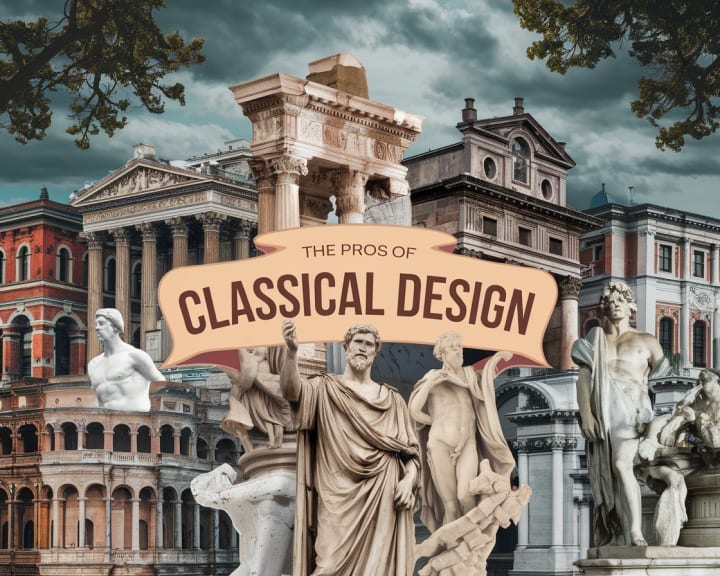
Classical design is known for its enduring aesthetic qualities that transcend trends. The use of symmetrical proportions, columns, arches, and other classical elements evokes a sense of grandeur, stability, and sophistication. These timeless features have the ability to communicate the permanence and significance of federal institutions, making them stand as enduring symbols of national pride. The classical style conveys authority and strength, which are essential in representing governmental power. This can foster a sense of trust and respect within the public, reinforcing the role of government in society.
Cultural Identity
Classical architecture is deeply entwined with the roots of American democracy. The founding fathers were heavily influenced by Greco-Roman ideals, viewing classical structures as a visual embodiment of democratic principles such as equality, justice, and civic virtue.
By adopting classical design for federal buildings, the architecture reaffirms these core values, serving as a physical reminder of the nation’s commitment to democratic ideals. It reflects the shared heritage of the American people, connecting the public to the country’s founding ethos and creating a sense of continuity with history.
Public Accessibility
One of the strengths of classical architecture is its familiarity. Many citizens have a deep-seated understanding of the visual language of classical design from historical landmarks and public buildings they encounter in their daily lives.
These familiar elements help create spaces that feel welcoming, recognizable, and inclusive. Federal buildings designed in a classical style are often seen as more approachable and relatable, bridging the gap between the government and the public. This accessibility can contribute to a stronger sense of civic engagement, as the public feels connected to and represented by these spaces.
Durability
- Classical designs are built to last. By incorporating materials such as stone, marble, and granite, these structures not only exude permanence but also offer unparalleled durability.
- These materials age gracefully over time, becoming more majestic with age rather than deteriorating. This long-lasting quality aligns with the concept of federal buildings as enduring institutions.
- The robust construction methods used in classical designs also ensure resilience in the face of environmental factors, making them ideal for buildings that are expected to stand for generations. Their durability reduces the need for frequent renovations and costly upkeep, providing long-term value.
But Are There Cons?
While classical design has its advantages, mandating it for all new federal buildings can limit architectural innovation. Contemporary architecture allows for more diverse expressions, and architects today have the tools and expertise to incorporate modern materials, technologies, and design philosophies that respond to current and future needs. By restricting creativity to traditional forms, there’s a risk of stifling new approaches that could address issues like sustainability, urbanization, and digital integration. The push for uniformity in design may prevent the incorporation of cutting-edge ideas that could redefine the way we think about space and functionality.
Modern Functionality
- In today’s world, federal buildings are not just symbolic—they must also serve practical, modern functions.
- Contemporary designs often focus on energy efficiency, sustainability, and adaptability, integrating advanced technologies like smart systems, energy-efficient materials, and green roofs.
- These innovations may not always align with the rigid aesthetics of classical design, which was developed in a pre-industrial context.
- For example, the use of large windows for natural light and air circulation may conflict with the typically enclosed and solid forms of classical architecture. Adhering to classical styles might limit the ability to implement these crucial modern solutions, potentially making buildings less environmentally friendly and less suited to the demands of the modern workforce.
Cost Implications
- Classical architecture requires specific materials and intricate detailing, both of which can drive up the cost of construction.
- The use of stone, marble, and ornate facades may be expensive not only in terms of material costs but also in terms of labor, as craftsmanship is required to achieve the precision of classical designs.
- Additionally, these buildings often require more time to construct due to their complexity. While the investment in such designs may be worthwhile for landmark buildings, the added cost may not be justifiable for every federal project. This could lead to higher taxpayer expenses and limit the available budget for other important infrastructure projects.
Exclusion of Local Context
- A one-size-fits-all approach to federal building design can overlook regional architectural traditions and local cultural identities.
- Each area of the country has its own history, climate, and aesthetic preferences, which should be reflected in the buildings that serve its citizens.
- Imposing a universal classical design may ignore the specific needs and desires of local communities, potentially resulting in buildings that feel disconnected from their surroundings.
- Federal buildings, while representing national values, should also respect the diversity of the regions they inhabit, incorporating elements that make them relevant to the people they serve. By overlooking local context, the government risks creating buildings that feel out of place, rather than integrated into their environments.
By weighing both the pros and cons of classical design, it becomes clear that this shift in federal building mandates presents both opportunities and challenges.
While classical architecture offers timeless appeal, cultural connection, and durability, it also raises concerns about creativity, modern functionality, and cost. Balancing tradition with innovation will be key in ensuring that federal buildings meet the needs of both today and the future.
The divided Architectural Community – an outlook.
The architectural community has responded to President Trump's executive order with a mixture of concern and reflection.
The American Institute of Architects (AIA) has voiced strong opposition to the mandate, emphasizing its concern that the executive order could diminish local design control and impose a singular federal preference. In a statement released on January 21, 2025, the AIA made it clear that any changes to the Guiding Principles for Federal Architecture should preserve the freedom of expression that allows architects to design buildings that respond to the unique needs of the communities they serve. The AIA's advocacy for diversity in architectural design underscores the importance of creative freedom and the potential consequences of restricting it.
GSA's Counterpoint to the Mandate
The General Services Administration (GSA), which oversees federal building projects, has been tasked with advancing the new policy. The GSA is working to align federal public buildings with traditional and classical architectural heritage while ensuring that these designs remain visually identifiable as civic structures. The agency is expected to revise the federal architecture guidelines to reflect this new directive and continue its work to incorporate community feedback into the design process. By balancing the mandate with regional considerations, the GSA seeks to create buildings that are not only dignified but also relevant to the diverse public they serve.
These differing perspectives highlight the tension between tradition and innovation in federal architecture. The ongoing dialogue between organizations like the AIA and the GSA points to the complex relationship between preserving cultural heritage and embracing forward-thinking design solutions.
- As the debate continues, the architectural community must navigate these challenges thoughtfully to ensure that federal buildings remain both timeless and responsive to the needs of modern society.
Striking the correct balance between maintaining cultural values and integrity with a modern diverse architectural context can be considered as an ideal solution to settle this debate. To achieve this target, digitized AEC solutions for federal and government facilities are one way to go forward. 8 (a) Certified AEC firms specialized in practicing digital innovations in AEC workflows, can be the ultimate answer to this conundrum.
The Role of 8(a) Certified AEC Firms in the USA in This Shift
The role of 8(a) certified AEC firms in the transition to classical design for federal buildings is significant, as these firms play a crucial part in ensuring that the execution of such mandates aligns with both the historical and modern demands of construction. As small businesses that have earned their 8(a) certification through the U.S. Small Business Administration (SBA), these firms are poised to contribute to the federal project landscape in a unique and impactful way. Their expertise in architecture, building design for government facilities, and construction allows them to navigate the complexities of federal requirements while upholding the principles of classical design.
- One of the key advantages of 8(a) firms is their ability to bring fresh perspectives while adhering to government standards. Although the mandate focuses on classical architecture, 8(a) certified firms often bring innovative solutions to the table, ensuring that these traditional designs can be realized with modern construction techniques and sustainable practices.
- They are well-equipped to balance the demands of aesthetic preservation with functional needs, such as incorporating energy-efficient features, sustainability, and advanced building technologies within the framework of classical design.
- 8(a) AEC firms are well-versed in navigating the complexities of government contracts, including compliance with federal regulations, budgeting, and meeting specific project timelines.
- Their experience in working with federal clients allows them to execute large-scale projects efficiently while ensuring that the design intent of classical architecture is maintained. Their deep understanding of procurement processes and their ability to work within strict guidelines make them valuable assets in executing these ambitious design mandates.
- These 8 (a) certified small business AEC firms often have strong ties to local communities and bring a more regionally informed perspective to their projects. In the context of federal buildings, this means they can advocate for design elements that respect the local culture and environment while still adhering to the classical architectural style.
- They can also ensure that projects reflect a balance between national unity and regional identity, creating structures that resonate with local populations without sacrificing the overarching goals of the federal mandate.
8(a) certified AEC firms are integral to the realization of federal building projects that align with the mandate for classical design. Their ability to blend tradition with innovation, while managing the practical and regulatory aspects of federal contracts, ensures that these buildings can stand as both symbols of stability and be relevant to the contemporary needs of the public.
Conclusion
The architectural community’s perspective should focus on finding common ground. By embracing the potential of classical design to celebrate timeless elegance while integrating modern technologies, federal projects can achieve a balance of heritage and relevance. Rather than choosing between tradition and innovation, it’s essential to ensure that this shift serves as a step forward, future where classical aesthetics and contemporary advancements coexist harmoniously. This approach will allow architecture to remain rooted in cultural identity while meeting the functional and environmental needs of today’s world.
About the Creator
Sophia Andrews
Hello, I am Sophia Andrew , and I work as a BIM and Lidar Consultant for AEC industry. My work deals with comprehensive BIM solutions.
Keep reading
More stories from Sophia Andrews and writers in Education and other communities.
How is AI transforming your BIM workflow?
Artificial intelligence (AI) technology integration has transformed almost every industry in recent years. BIM is also not left untouched. When combined with AI capabilities, BIM, a digital depiction of a building's functional and physical qualities, has significantly enhanced the client experience. We'll examine how AI is enhancing the BIM process for AEC projects in this post.
By Sophia Andrews2 years ago in Education
Kiranmala: the legend of the princess who considered magic mountain
Long ago, in a land far away, the queen was panicked, her grasp on reality seemingly slipping. She had given birth to two boys and one girl. But to her horror, before even meeting their father, each child vanished, something else taking their place. She faced accusations of witchcraft and demon sorcery. And though the king loved her, he was easily swayed. He soon grew doubtful and banished his wife, who left the kingdom in anguish. Little did they know, the queen’s jealous sisters were the ones to replace the newborns
By Munesh Yadav3 days ago in Education
The Human Guide Behind Technical Excellence
Mentorship of skilled technicians plays a decisive role in shaping strong careers and reliable work standards. Technical skill alone does not make a technician capable. Real growth comes from shared experience, steady guidance, and trust built over time. In many industries, mentorship fills the gap between classroom learning and real job demands. It helps technicians move from basic ability to confident performance. This article explores how mentorship supports learning, builds skills, and strengthens the future workforce.
By Michael Gastinel3 days ago in Education


Comments
There are no comments for this story
Be the first to respond and start the conversation.