
Understanding Solar Panel Direction and Angle: How to Maximize Efficiency in India
Solar Panel Direction and Angle

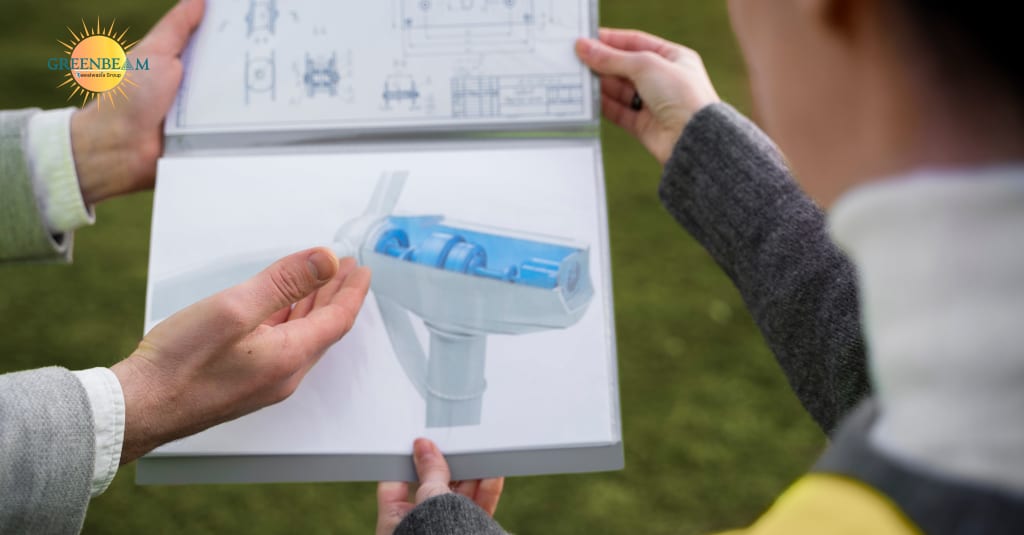
A rooftop solar system is an investment into a future that will be more sustainable than it has ever been; it's an investment in a long-term, efficient powering of your industry or business for decades. While most people believe that simply mounting the solar panels is enough to generate energy, the truth is that rooftop solar systems are the result of detailed engineering. Components such as mounting structures, inverters, wiring, and most importantly, panel orientation are what optimize electricity output and maximize returns on your investment.
To get the most out of your solar panels, it is important to align them perpendicular to the sun's rays during peak sunlight hours. This will ensure greater electricity generation and, in turn, higher savings. In countries like the USA, the direction and tilt of solar panels are determined by latitude and usually fall between 30-45 degrees. In India, the ideal panel orientation is true south, and the tilt angle varies based on geographical location and project specifics.
Why Panel Direction and Angle Matter in India
Since India is in the northern hemisphere, south-facing orientations are ideal for receiving maximum sunlight exposure throughout the year. True south is, therefore, considered the best direction for installing solar panels in India. However, the intensity of sunlight, weather conditions, and geographical variations across the country require fine-tuning the tilt angle of the panel to get the best results.
South of India: here the tilt has to be less than 10 degrees because its closer to equator and Sun rays are falling every month.
Northern India: Due to the very low angle which it receives most of the radiations during Winter, the panel needs to tilted about 20 degrees. A few factors control the exact inclination such as local climatic characteristics, latitude along with seasonal aspects.
Important Points Controlling Installation of Solar Panel's Angle
Territorial Location
The north regions of India need a sharper angle to acquire winter sunlight adequately, whereas in the south side, flatter tilts make it more effective for the rest of the seasons.
Wind Load
Regions prone to high wind velocity need strong supporting structures to minimize damage to the panels. Especially in regions exposed to frequent storm or cyclonic conditions.
The angle of tilt must be the same as the position of the sun relative to the equator. The angle can be adjusted for seasonal changes so that energy production is consistent all year round.
Shading Problem
Shadows from trees, neighboring buildings, or other obstructions can greatly decrease the efficiency of panels. A detailed survey of the rooftop before installation will indicate shadow-prone areas so that at least 100 square feet of shadow-free space per kilowatt of solar panels is maintained.
Impact of Angle of Tilt on Efficiency
The angle of tilt directly influences the efficiency of a solar system. Panels put up at wrong angles may end up underperforming, meaning lower energy outputs and returns.
Northern States: A steeper tilt enhances winter sunlight capture, improving energy generation. However, steeper angles also expose panels to higher wind pressure, necessitating stronger mounting structures. This could increase installation costs by approximately 5%, but the investment is worthwhile as it ensures system durability and mitigates risks from high winds.
Southern States: Flatter tilts are effective in this region because of consistent sunlight all through the year. This reduces the complexity and costs associated with installations, making solar energy even more accessible.
Overcoming Shadow Issues on Roofs
Shadows can be one of the greatest barriers to efficient generation of solar energy. One shaded panel can lower the total output of the array connected to it. Therefore, shadow issues have to be overcome at the time of installation.
Shadow Analysis: Conduct a comprehensive rooftop survey to identify shadow-prone areas and optimize panel placement. This would ensure that most of the energy losses are reduced through maximum exposure to sunlight.
Shadow-Free Design Solutions
For smaller-sized rooftops or shading challenges, seek advice from a solar expert to design solutions customized to your space to generate more energy. In this case, microinverters can mitigate the partial shading impacts.
Select Greenbeam for Designed Efficiency
At Greenbeam, we specialize in solar panel installation plus the optimization of performance through high-end engineering. Our solutions will be tailored for specific requirements at your location and about your energy needs.
Comprehensive Shadow Analysis
Our team does a detailed rooftop survey to measure shadow-free areas and determine how best to orient and position your solar panels for optimal performance.
Robust Mounting Structures: Our patented WindPro Mount™ system is designed to withstand wind speeds of up to 180 kmph, ensuring durability even in extreme weather conditions.
With Greenbeam, you’re not just investing in solar energy—you’re choosing a system engineered for efficiency, longevity, and maximum savings.
FAQs on Solar Panel Direction and Angle
Q1. Why does the angle of solar panels matter?
Angle directly affects how much direct sunlight your panels absorb and the amount of electricity produced. Properly angled panels maximize efficiency and savings while ensuring system durability.
Q2. What is the ideal tilt angle for solar panels in India?
The tilt angle in southern India is about 10 degrees and in northern locations around 20 degrees, though at site latitude and local conditions.
Q3. Which way should solar panels face in India?
The perfect direction for placing solar panels in India is True south, that is, an orientation that provides maximum sunlight intake from dawn till dusk.
Q4. How would shadows impact efficiency?
Shadows can significantly diminish energy output since they shade panels individually or parts of an array. A proper site analysis and design without shadows prevent this problem
Go Solar with Greenbeam
Investing in solar energy is one of the ways forward toward sustainability and cost saving with energy independence. With Greenbeam's professional solution, you will ensure that your solar system is properly optimized for the location to provide you with maximum efficiency and returns.
Take that step toward a brighter, greener future—join forces with Greenbeam today!
About the Creator
Keep reading
More stories from Rawalwasia Group and writers in Education and other communities.
India's Renewable Energy Growth in 2024: A Year of Exceptional Progress
The year 2024 has been a transformative period for India's renewable energy sector, as highlighted by the Ministry of New & Renewable Energy (MNRE). With a record-breaking 28.59 GW of renewable energy capacity added between January and December, the country has solidified its position as a global leader in the green energy transition. This feat demonstrates a milestone in which efforts of different stakeholders, namely the policymakers, the private players, and technological innovators who joined hands toward building up a sustainable future. It proceeds to explicate the pivotal mileposts, contributions of individual sectors, and moving forces behind such outstanding achievement.
By Rawalwasia Groupabout a year ago in Education




Comments
There are no comments for this story
Be the first to respond and start the conversation.