
Understanding Preventive Maintenance: A Key to Operational Excellence
Preventive maintenance (PM) is a proactive approach designed to maintain equipment and systems in optimal working condition.

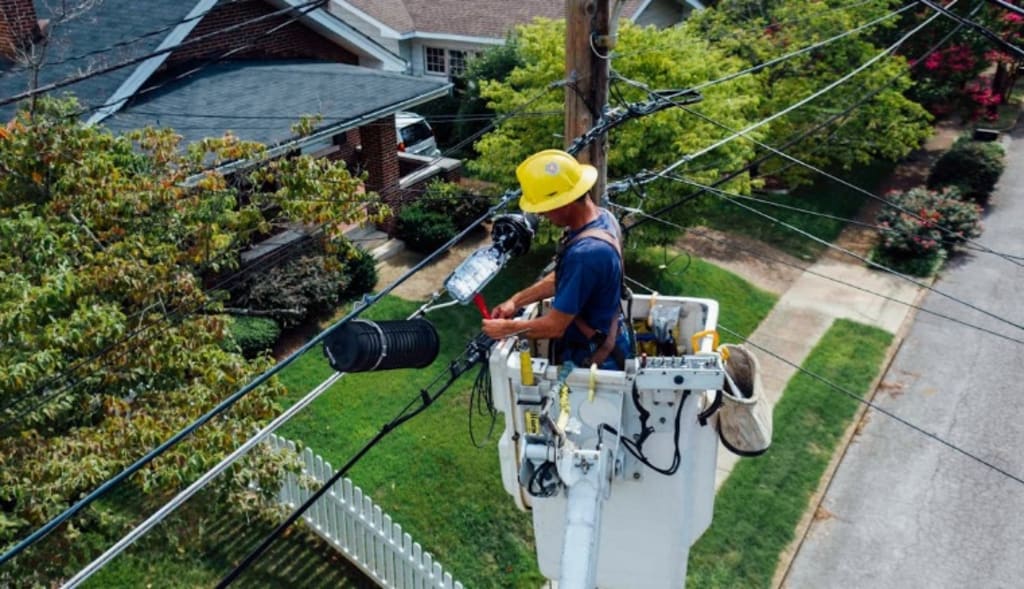
Preventive maintenance (PM) is a proactive approach designed to maintain equipment and systems in optimal working condition. By performing regular, scheduled maintenance tasks, organizations can prevent equipment failures, extend the lifespan of assets, and enhance overall operational efficiency. This article delves into the importance, benefits, and key components of Preventive maintenance, highlighting how this strategy can drive success in various industries.
The Importance of Preventive Maintenance
Increased Equipment Lifespan:
Preventive maintenance helps to identify and address minor issues before they escalate into major problems. This proactive approach prolongs the life of equipment, reducing the frequency and cost of replacements.
Enhanced Efficiency:
Well-maintained equipment operates more efficiently, consuming less energy and reducing operational costs. This efficiency translates into better performance and higher productivity.
Minimized Downtime:
By preventing unexpected breakdowns, preventive maintenance reduces downtime, ensuring continuous production and service delivery. This consistency is crucial for maintaining customer satisfaction and meeting deadlines.
Safety Assurance:
Regular inspections and maintenance reduce the risk of accidents caused by equipment failure. This not only protects employees but also minimizes liability and ensures compliance with safety regulations.
Cost Savings:
Although preventive maintenance requires an initial investment, it ultimately saves money by avoiding costly repairs and replacements. Additionally, it reduces downtime-related losses, contributing to overall cost efficiency.
Benefits of Preventive Maintenance
Improved Reliability:
Equipment that undergoes regular maintenance is less likely to fail, providing more reliable performance. This reliability is essential for maintaining the trust of customers and stakeholders.
Better Resource Management:
Planning maintenance activities allows for more effective resource allocation. This prevents the rush and higher costs associated with emergency repairs and ensures that maintenance tasks are performed efficiently.
Regulatory Compliance:
Many industries are subject to regulatory standards that require regular maintenance of equipment. A preventive maintenance program helps ensure compliance with these standards, avoiding fines and legal issues.
Enhanced Reputation:
Consistent operation and reduced downtime improve customer satisfaction and can enhance the reputation of a business. Reliable equipment performance is a key factor in building and maintaining a positive brand image.
Higher Resale Value:
Equipment that is well-maintained often has a higher resale value compared to poorly maintained counterparts. This can be an important consideration for businesses looking to upgrade or sell their assets.
Key Components of Preventive Maintenance
Inventory Management:
Keeping an accurate inventory of all equipment and its maintenance requirements is essential. This includes tracking purchase dates, warranty periods, and service history, ensuring that all assets are accounted for and properly maintained.
Scheduled Inspections:
Regularly scheduled inspections help identify potential issues before they become serious problems. This includes visual inspections, performance testing, and routine servicing, ensuring that all equipment remains in good working order.
Maintenance Logs:
Detailed logs of all maintenance activities, including dates, performed tasks, and parts replaced, provide a comprehensive history of equipment performance and issues. These logs are crucial for tracking maintenance efforts and identifying recurring problems.
Training:
Ensuring that maintenance personnel are adequately trained and knowledgeable about the equipment they service is crucial for effective maintenance. Ongoing training and development help maintain high standards of maintenance quality.
Use of Technology:
Implementing maintenance management software can streamline scheduling, tracking, and reporting maintenance activities. This technology makes the maintenance process more efficient and effective, providing real-time data and analytics to support decision-making.
Conclusion
Preventive maintenance is a crucial strategy for any organization that relies on equipment and machinery. By regularly servicing and inspecting equipment, businesses can prevent costly breakdowns, extend the lifespan of their assets, and ensure smooth, efficient operations.
Implementing a robust preventive maintenance program requires careful planning, resource allocation, and ongoing monitoring, but the long-term benefits far outweigh the initial investment. This proactive approach not only saves costs but also enhances safety, efficiency, and reliability, making it an indispensable part of modern maintenance strategies.
About the Creator
Kelas Teknisi
Meet our expert in electrical power systems, renewable energy, electronics, and cutting-edge technology, who shares their extensive knowledge and experience on Kelasteknisi.com.
Keep reading
More stories from Kelas Teknisi and writers in Education and other communities.
Understanding the Electrical Power System
The electrical power system is a complex network that facilitates the generation, transmission, distribution, and utilization of electrical energy. It plays a pivotal role in modern society, powering homes, industries, transportation, and communication systems.
By Kelas Teknisiabout a year ago in Education
Domestic reasons suspected in Lahore university student’s suicide attempt: police
Sources say action would be taken against the university administration if negligence is established LAHORE: Police are investigating a suspected suicide attempt by a 21-year-old female student who was critically injured after falling from the fourth floor of a building at the University of Lahore on Monday, officials said.
By Dena Falken Esq7 days ago in Education
Greenland, the United States, and the New Arctic Power Game
For much of modern history, Greenland was viewed as a remote stretch of ice, distant from global decision-making and international power struggles. But that has changed. As the Arctic warms and world powers turn their attention northward, Greenland has become a central figure in a rapidly shifting geopolitical landscape.
By Muhammad Islam khan swatiabout 15 hours ago in Education



Comments
There are no comments for this story
Be the first to respond and start the conversation.