
Understanding Polycystic Ovary Syndrome (PCOS): Causes, Symptoms, and Management
Polycystic Ovary Syndrome (PCOS) is a common hormonal disorder that affects millions of women worldwide. It is a complex condition that can have significant physical and emotional implications for those who experience it. In this article, we will delve into the details of PCOS, exploring its causes, symptoms, and available management options.
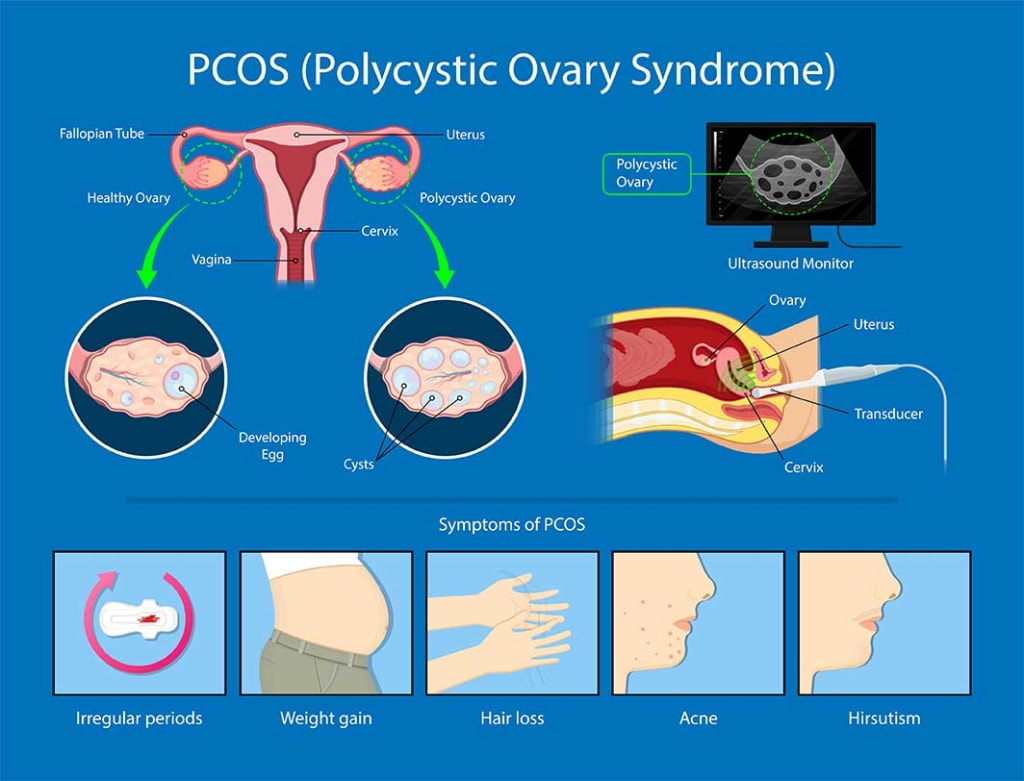
What is PCOS?
Polycystic Ovary Syndrome is a hormonal disorder that affects the reproductive system in women. Women with PCOS have multiple small cysts on their ovaries, hence the name. These cysts are actually immature follicles that have not properly developed and released an egg during the menstrual cycle.
Causes:
While the exact cause of PCOS is not fully understood, it is believed to involve a combination of genetic and environmental factors. Hormonal imbalances play a significant role in the development of PCOS. Insulin resistance, a condition in which the body's cells do not respond effectively to insulin, is also commonly associated with PCOS.
Symptoms:
PCOS can manifest in a variety of ways and the severity of symptoms can vary from person to person. Common symptoms include:
Irregular menstrual cycles: Women with PCOS may experience infrequent or prolonged menstrual periods, or even skip periods altogether.
Excessive androgen levels: Increased levels of male hormones, such as testosterone, can lead to symptoms such as acne, hirsutism (excessive hair growth), and male pattern baldness.
Polycystic ovaries: Enlarged ovaries containing multiple small cysts can be detected during an ultrasound examination.
Weight gain: Many women with PCOS struggle with weight management and may find it difficult to lose weight.
Insulin resistance: PCOS is often associated with insulin resistance, which can contribute to weight gain and increase the risk of developing type 2 diabetes.
Fertility issues: Due to irregular ovulation, women with PCOS may face difficulties in conceiving.
Management and Treatment Options:
Although there is no cure for PCOS, several management strategies can help control the symptoms and reduce the risk of complications:
Lifestyle modifications: Adopting a healthy lifestyle can have a positive impact on PCOS management. Regular exercise, a balanced diet, and weight management can help improve insulin sensitivity and hormone balance.
Regular exercise: Engaging in regular physical activity can help improve insulin sensitivity and regulate hormone levels. Aim for at least 150 minutes of moderate-intensity aerobic exercise per week, such as brisk walking, swimming, or cycling. Incorporate strength training exercises to build muscle mass.
Manage stress levels: High levels of stress can worsen PCOS symptoms. Explore stress-reducing activities such as yoga, meditation, deep breathing exercises, or engaging in hobbies that help you relax and unwind.
Regular check-ups: Regularly visit your healthcare provider for check-ups and monitoring of your condition. PCOS requires ongoing management, and it's essential to track your progress and make adjustments to your treatment plan as needed.
Support network: Consider joining support groups or online communities for individuals with PCOS. Sharing experiences and advice with others who have similar challenges can be helpful and empowering.
Fertility treatments: For women trying to conceive, fertility medications and assisted reproductive technologies may be recommended to stimulate ovulation.
Management of associated conditions: Since PCOS is often accompanied by other health issues, such as insulin resistance, high cholesterol, and high blood pressure, managing these conditions through appropriate medical interventions is crucial.
Emotional Support and Self-Care:
Living with PCOS can be emotionally challenging due to the physical changes and fertility concerns it presents. Seeking emotional support from healthcare professionals, support groups, or counselors can be immensely helpful. Engaging in self-care activities like meditation, yoga, and pursuing hobbies can also aid in managing stress and improving overall well-being.
When managing polycystic ovary syndrome (PCOS), it's important to follow a healthy and balanced diet to help regulate hormone levels and promote overall well-being. While there are no specific foods that you must completely avoid, certain dietary choices may be beneficial in managing PCOS symptoms. Here are some general recommendations:
High Glycemic Index (GI) Foods: Limit your intake of foods that cause a rapid rise in blood sugar levels, as this can lead to increased insulin production, which is associated with PCOS. Examples include sugary beverages, processed snacks, white bread, white rice, and desserts. Instead, choose low GI alternatives like whole grains, legumes, and vegetables.
Refined Carbohydrates: Foods made with refined grains tend to be low in fiber and can cause blood sugar imbalances. Avoid or minimize consumption of white pasta, white bread, pastries, and sugary breakfast cereals. opt for whole grain alternatives such as whole wheat pasta, quinoa, brown rice, and oatmeal.
Added Sugars: Excess sugar consumption can disrupt hormone balance and contribute to weight gain. Minimize your intake of sugary beverages, candies, desserts, and processed foods with high sugar content. Instead, satisfy your sweet tooth with whole fruits or natural sweeteners like stevia or honey in moderation.
Saturated and Trans Fats: Limit your intake of saturated and trans fats, which are found in fatty cuts of meat, fried foods, processed snacks, and high-fat dairy products. Instead, choose healthier fats like avocados, nuts, seeds, and fatty fish (e.g., salmon) to support your overall health.
Caffeine and Alcohol: While there is no direct evidence linking caffeine or alcohol to PCOS, excessive consumption of these substances may worsen symptoms such as hormonal imbalance, sleep disturbances, and mood swings. It's best to moderate your intake or avoid them if you find they exacerbate your symptoms.
Dairy Products: Some individuals with PCOS may be sensitive to dairy products. If you suspect dairy intolerance or experience symptoms like bloating or digestive issues after consuming dairy, you can consider reducing or eliminating it from your diet. opt for dairy alternatives like almond milk, coconut milk, or soy milk.
Conclusion:
Polycystic Ovary Syndrome is a complex hormonal disorder that affects women worldwide. While it presents various challenges, there are effective management strategies available. By adopting a healthy lifestyle, seeking medical guidance, and focusing on self-care, women with PCOS can successfully manage their symptoms, improve their quality of life, and minimize the impact of this condition on their overall well-being.
About the Creator
Keep reading
More stories from writers in Education and other communities.
Best Vibe Coding Platforms for Building AI-Native Products
Vibe coding platforms are transforming how teams develop AI-native products by enabling the conversion of ideas into functional software through natural language and AI collaboration. They help startups and enterprises move faster from concept to execution without losing alignment.
By Mobisoft Infotech4 minutes ago in Education
Growing Together: How Community Service Strengthens Lives and Neighborhoods
Community service creates positive change by connecting people through shared effort and responsibility. When individuals step forward to help, they address real needs while building trust within their neighborhoods. Because service encourages collaboration, it allows residents to see one another as partners rather than strangers. This sense of unity strengthens a community's social fabric.
By Kevin Knasel2 days ago in Education
Trouble at the Tea Leafing Café
The rain had started right around the time that Annie was buttering her second thick slice of homemade toast for breakfast, and hadn’t paused since. Not that anyone could tell. The windows of the café were fogged over, and with every seat filled with happy customers munching on fresh baked pastries or steaming bowls of the delicious soup of the day, it was hardly surprising. Annie looked around the room, finally taking a moment to breathe after the lunch time rush. Her old life already felt like a bad memory, a part of her history, always, but just that. History.
By Hannah Moore5 days ago in Fiction



Comments
There are no comments for this story
Be the first to respond and start the conversation.