
Understanding Mental Health and Psychiatric Terms
Understanding Mental Health and Psychiatric Terms: A BatShit Guide

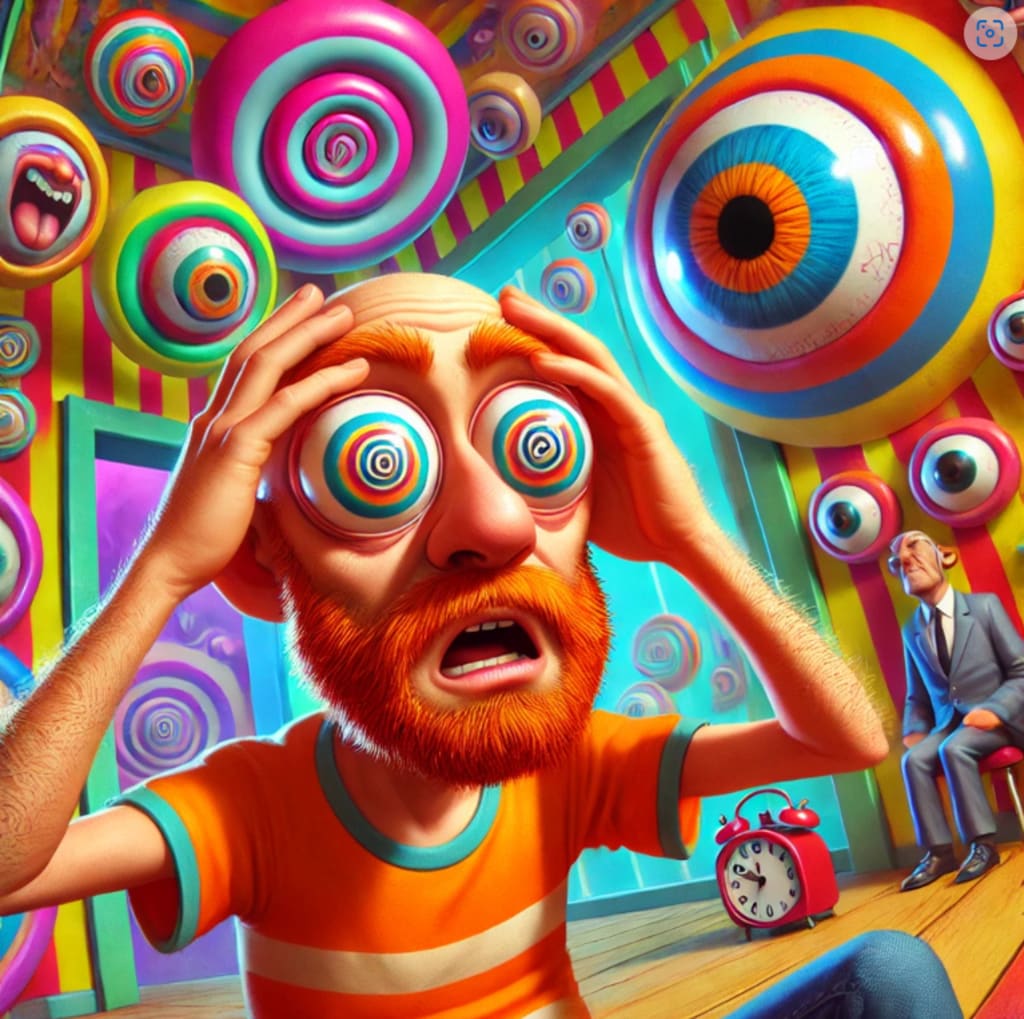
Understanding Mental Health and Psychiatric Terms: A BatShit Guide
Introduction: The Importance of Understanding Psychiatric Terms
Ah, mental health – the topic that everyone has an opinion on but very few understand. It is like the dark web of our well-being; everyone knows it is there, but nobody wants to dive too deep. But here is the thing: mental health is as important as physical health. You would not ignore a broken leg, so why give the cold shoulder to a broken mind? Understanding psychiatric terms can demystify the whole shebang, break down stigmas, and help us communicate better with healthcare providers, loved ones, and even ourselves.
Picture this: You are at a barbecue, and someone starts throwing around words like “schizophrenia” and “bipolar disorder” without having the foggiest clue what they mean. Before you know it, everyone is an expert. But fear not! This blog is here to equip you with the knowledge to tell Aunt Carol that no, being moody does not mean you have multiple personalities, and that depression is not cured by “just cheering up.”
Mental health terms can sound like a foreign language – jargon galore. But we are going to break it down Barney style. We will tackle the basics, delve into common disorders, discuss various treatment methods, and get right into the nitty-gritty of symptoms. By the end, you will be more clued-up than a trivia night champion at the local pub. So, grab a cuppa, get comfortable, and let us dive into the world of mental health – with a twist of BatShit humour, of course.
Basic Terms
Mental Health
Mental health is like the Wi-Fi signal of your brain. Sometimes it is strong, and sometimes you have to wave your phone around in the air just to get one bar. It refers to our emotional, psychological, and social well-being. It impacts how we think, feel, and act – pretty much the whole shebang. Good mental health is not just the absence of problems; it is about having the ability to manage stress, maintain relationships, and make decisions. Think of it as the foundation of your mind’s house – if it is solid, the rest of your life can withstand a few storms.
Mental Illness
Now, mental illness is where things get a bit trickier. Imagine having a gremlin that lives in your brain and messes with the wiring every now and then. These illnesses include conditions like depression, anxiety disorders, schizophrenia, eating disorders, and more. They can be chronic or temporary, mild, or severe. But here is the kicker – they are common and treatable. So, if your mental health Wi-Fi signal is on the fritz, do not despair. There is help out there to get you back online.
Psychiatry vs. Psychology
Psychiatry and psychology are the Batman and Robin of the mental health world. Psychiatrists are medical doctors who can prescribe medication – they are like heavy artillery. They focus on diagnosing, treating, and preventing mental illnesses. Psychologists, on the other hand, are more like the therapists in the TV shows – they provide counselling and therapy, helping you untangle the mental knots. Both are crucial, but they have different tools in their utility belts.
Common Disorders
Anxiety Disorders
Ah, anxiety – the unwelcome guest who shows up uninvited and refuses to leave. It is the most common mental health disorder, and it comes in various flavours.
Generalized Anxiety Disorder (GAD): This is the granddaddy of anxiety disorders. Persistent and excessive worry about everything under the sun – work, health, social interactions. If you are constantly expecting disaster, GAD might be the culprit.
Panic Disorder: Imagine having a heart attack on a roller coaster, but without the roller coaster. Sudden, intense fear strikes out of nowhere, complete with chest pain, palpitations, and shortness of breath.
Phobias: These are like horror movies come to life. Irrational fears of specific objects or situations, like spiders, heights, or flying. They can make you avoid certain activities altogether.
Mood Disorders
Mood disorders are like emotional roller coasters – one minute you are up, and the next you are plummeting down.
Depression: This is not just feeling blue; it is like living in a monochrome world. Persistent sadness, loss of interest in activities, changes in sleep and appetite. It is a black hole that sucks the joy out of life.
Bipolar Disorder: Imagine flipping between a party at a nightclub and a quiet night in a graveyard. Bipolar disorder involves extreme mood swings – manic highs and depressive lows. One day you are on top of the world; the next, you are buried under it.
Psychotic Disorders
Psychotic disorders mess with your perception of reality. It is like living in a Salvador Dalí painting.
Schizophrenia: This is the big one. It involves hallucinations (seeing or hearing things that are not there), delusions (false beliefs), and disordered thinking. It is like your brain’s reality filter is on the fritz.
Eating Disorders
Eating disorders turn mealtimes into a battlefield.
Anorexia Nervosa: Fear of gaining weight leads to extreme restriction of food intake. People with anorexia often see themselves as overweight even when they are dangerously thin.
Bulimia Nervosa: Binging on food followed by purging (vomiting or excessive exercise). It is a vicious cycle of guilt and shame.
Binge Eating Disorder: Eating large amounts of food in a short period, often feeling out of control and distressed afterwards.
Personality Disorders
Personality disorders are like wearing sunglasses indoors – they distort how you see and interact with the world.
Borderline Personality Disorder (BPD): Instability in moods, behaviour, self-image, and functioning. It is like living on an emotional seesaw.
Antisocial Personality Disorder: A long-term pattern of disregarding others’ rights. Think of it as a lack of empathy on steroids.
Treatment Methods
Medication
Medications are like mental health toolkits. They help manage symptoms so you can function better.
Antidepressants: These boost your mood and help with depression and anxiety.
Antianxiety Medications: They take the edge off panic attacks and extreme worry.
Antipsychotics: They help with hallucinations and delusions.
Mood Stabilizers: These keep the highs and lows of bipolar disorder in check.
Psychotherapy
Psychotherapy, or talk therapy, is where you spill the beans to a professional who helps you sort through the mess.
Cognitive Behavioural Therapy (CBT): This is like mental reprogramming. It helps you identify and change negative thought patterns.
Dialectical Behaviour Therapy (DBT): A type of CBT designed for intense emotions and improving relationships. It is like emotional boot camp.
Electroconvulsive Therapy (ECT)
ECT is like a defibrillator for your brain. Used for severe depression or bipolar disorder that has not responded to other treatments, it involves electrically induced seizures. Sounds scary, but it can be a lifesaver.
Mindfulness
Mindfulness is all about being present in the moment. It is like hitting the pause button on your brain.
Benefits: Reduces stress, improves focus, helps manage emotions.
Practices: Meditation, body scans, mindful walking.
Lifestyle Changes
Sometimes, a few tweaks to your lifestyle can make a world of difference.
Exercise: Boosts your mood and energy levels.
Diet: A balanced diet can affect your mood and overall mental health.
Sleep: Good sleep hygiene is crucial for mental wellbeing.
Social Support: Building a strong network of friends and family can provide a safety net.
Terms Related to Symptoms
Delusions
All right, let us kick off with delusions, which are basically your brain going rogue and cooking up false beliefs that you hold onto like a dog with a bone, despite all evidence to the contrary. It is like believing you are Batman, even though you do not have a Batcave, Alfred, or fancy gadgets. These are not just quirky beliefs; they are steadfast convictions that can seriously mess with your day-to-day life.
Types of Delusions:
Paranoid Delusions: This is the bread and butter of delusions. Imagine constantly thinking that someone is out to get you. Your neighbour, the postman, the bloke in the coffee shop – everyone’s a potential enemy plotting against you. It is like living in a never-ending episode of a spy thriller but without the cool gadgets or high-speed chases.
Grandiose Delusions: Have you ever fancied yourself a bit of a superstar? Grandiose delusions take this to the extreme. You believe you have got superhuman abilities, immense wealth, or unrivalled fame. You are the next Einstein, Beyoncé, or Elon Musk – in your mind, at least. It is like your brain’s been on a bit of an ego trip.
Somatic Delusions: These delusions make you believe there is something horribly wrong with your body. You might think you have got worms crawling under your skin or that your insides are rotting. No amount of doctor’s reassurances or clean bills of health can convince you otherwise.
Causes and Treatment:
Delusions do not just pop up out of nowhere. They are usually caused by a mix of genetic, biological, and environmental factors. Think of it as a toxic cocktail of brain chemistry gone awry, life stressors, and possibly some inherited tendencies.
Antipsychotic Medications: These are often the frontline treatment for delusions. They help to rebalance the brain chemicals and reduce the symptoms.
Psychotherapy: This can be a game-changer. Cognitive behavioural therapy (CBT) helps you challenge and change the unhelpful beliefs and thoughts that feed into your delusions.
Supportive Therapy: Having a strong support network and therapy that offers understanding and validation can make a massive difference. It helps to have someone to talk to who gets what you are going through.
Hallucinations
Next up, hallucinations – these are sensory experiences that are not actually happening. Your brain’s creating a full-blown virtual reality but without the need for fancy headsets. They can mess with any of your senses, but auditory and visual hallucinations are the top dogs in this loopy league.
Types of Hallucinations:
Auditory Hallucinations: Hearing voices that are not there. It is like having an unwanted, invisible flatmate who never shuts up. These voices can be chatty, critical, or downright nasty, and they can comment on your actions, give you commands, or just chatter away incessantly.
Visual Hallucinations: Seeing things that do not exist. Imagine spotting someone sitting on your couch who disappears the moment you look away or seeing flashes of light that dance around your vision. It is like your eyes are playing pranks on you.
Olfactory Hallucinations: Smelling scents that are not present. You might catch a whiff of something foul like burning rubber or something pleasant like roses, but nobody else can smell it. It is like having a personal, invisible perfume that changes on a whim.
Tactile Hallucinations: Feeling sensations that are not real. It is the creepy crawlies, like bugs on your skin, or feeling as if you are being touched when no one is around. It is enough to make your skin crawl – literally.
Causes and Treatment:
Hallucinations can be a symptom of various mental illnesses, such as schizophrenia, severe depression, or bipolar disorder. They can also be triggered by substance abuse, neurological conditions like Parkinson’s disease, or extreme sleep deprivation.
Antipsychotic Medications: These can help reduce or eliminate hallucinations by balancing out the brain’s neurotransmitters.
Addressing Underlying Causes: If hallucinations are caused by another condition, treating that condition can help. For example, managing Parkinson’s disease or addressing substance abuse can reduce hallucinations.
Cognitive Behavioural Therapy (CBT): CBT can help you develop coping strategies to deal with hallucinations and understand the triggers and stressors that exacerbate them.
Support Networks: Support from family, friends, and support groups can be invaluable. It provides reassurance, understanding, and practical advice on managing symptoms.
Obsessions and Compulsions
Obsessions and compulsions are like the uninvited guests at your mental party – they show up, overstay their welcome, and wreak havoc. They are the hallmark of obsessive-compulsive disorder (OCD), and they can turn your life into a constant battle between your thoughts and actions.
Examples:
Obsessions: These are unwanted, intrusive thoughts that flood your mind. They can be fears of contamination, aggressive thoughts about harming yourself or others, or unwanted taboo thoughts about sex or religion. They are like that annoying song stuck in your head, but instead of “Baby Shark,” it is something much more distressing.
Compulsions: These are the repetitive behaviours or mental acts you perform to try to neutralize the obsessions. They might include excessive hand washing, checking, and rechecking if you’ve locked the door, or arranging things in a specific order. It is like your brain’s stuck on repeat, and you cannot stop pressing the play button.
Causes and Treatment:
OCD is thought to be caused by a mix of genetic, neurological, and environmental factors. It is like your brain’s fear and behaviour circuits have gone haywire, leading to a never-ending loop of obsessions and compulsions.
Selective Serotonin Reuptake Inhibitors (SSRIs): These medications can help reduce the symptoms by increasing the levels of serotonin in your brain.
Cognitive Behavioural Therapy (CBT):Particularly Exposure and Response Prevention (ERP), which involves gradually exposing yourself to the source of your anxiety and learning to resist the compulsive behaviours. It is like facing your fears head-on until they lose their grip.
Support Groups: Sharing experiences with others who have OCD can provide comfort, practical advice, and a sense of community. It is always good to know you are not alone in the struggle.
Mania
Mania is like your brain has had one too many energy drinks and is now bouncing off the walls. It is a state of abnormally elevated mood, energy, and activity levels, often seen in bipolar disorder. Mania can feel exhilarating at first but can quickly spiral out of control.
Symptoms:
Euphoric Mood: Feeling excessively happy or irritable. You might be the life of the party, full of energy and confidence, but it can also turn into irritability and frustration if things do not go your way.
Increased Activity: Taking on multiple projects, talking rapidly, and needing very little sleep. You might feel like you can conquer the world, but it often leads to burnout.
Risky Behaviour: Spending sprees, unprotected sex, and reckless driving. Mania can impair your judgment, leading to decisions that you might regret later.
Causes and Treatment:
Mania can be triggered by stress, lack of sleep, or changes in medication. It is often part of bipolar disorder, where periods of mania alternate with periods of depression.
Mood Stabilizers: These medications, such as lithium, can help control the highs and lows of bipolar disorder.
Antipsychotics: These can be used to treat severe manic episodes and help stabilize mood.
Psychotherapy: Cognitive behavioural therapy can help you recognize the early signs of mania and develop strategies to manage your mood.
Lifestyle Changes: Regular sleep patterns, a healthy diet, and stress management techniques can help keep mania in check. It is about finding balance and sticking to routines that support mental stability.
Depression
Depression is like living under a constant rain cloud. It is more than just feeling sad; it is a persistent state of emptiness and loss of interest in life’s pleasures. It can sap your energy, affect your sleep, and make everyday tasks feel insurmountable.
Symptoms:
Emotional Symptoms: Persistent sadness, hopelessness, and a lack of interest in activities you once enjoyed. You might feel worthless, and guilty, or have thoughts of death or suicide.
Physical Symptoms: Changes in appetite or weight, sleep disturbances, fatigue, and physical aches and pains without a clear physical cause. It is like your body has given up on functioning normally.
Cognitive Symptoms: Difficulty concentrating, making decisions, or remembering things. Your mind might feel foggy, and even simple tasks can become challenging.
Causes and Treatment:
Depression can result from genetic, biological, environmental, and psychological factors. It is like a perfect storm of factors converging to knock you off your feet.
Antidepressant Medications: These can help balance the brain chemicals that affect mood and emotions.
Cognitive Behavioural Therapy (CBT): This type of therapy helps you change negative thought patterns and behaviours that contribute to your depression.
Interpersonal Therapy (IPT): This focuses on improving relationships and resolving interpersonal issues that might be contributing to your depression.
Lifestyle Changes: Regular exercise, a balanced diet, and good sleep hygiene can significantly impact your mood and overall mental health. Sometimes, the basics are the best place to start.
Panic Attacks
Panic attacks are like having your body’s fire alarm go off when there is no fire. They are sudden, intense episodes of fear or discomfort, complete with physical and emotional symptoms that can make you feel like you are losing control.
Symptoms:
Physical Symptoms: Rapid heartbeat, sweating, trembling, shortness of breath, chest pain, dizziness, stomach upset. It is like your body is in full-on fight-or-flight mode, but there is no real danger.
Emotional Symptoms: Intense fear, feelings of unreality or detachment, fear of losing control or dying. It is an overwhelming sense of dread that something terrible is about to happen.
Cognitive Symptoms: Fear of another panic attack, fear of going crazy or losing control. These thoughts can fuel the panic, making it even harder to manage.
Causes and Treatment:
Panic attacks can be triggered by stress, certain medications, or underlying medical conditions. They are often a symptom of panic disorder but can occur with other anxiety disorders.
Antianxiety Medications: These can help manage the symptoms of panic attacks and reduce their frequency.
Cognitive Behavioural Therapy (CBT): This helps you identify and challenge the thoughts and behaviours that trigger panic attacks. Techniques like deep breathing and mindfulness can also help you manage symptoms when they arise.
Relaxation Techniques: Breathing exercises, progressive muscle relaxation, and mindfulness can help reduce the severity of panic attacks and prevent them from escalating.
Lifestyle Changes: Reducing caffeine and alcohol, getting regular exercise, and maintaining a healthy sleep routine can help manage anxiety and reduce the likelihood of panic attacks. It is about creating a balanced, healthy lifestyle that supports your mental well-being.
Conclusion: Recap and Encouragement
Understanding psychiatric terms related to symptoms can empower you to better comprehend your own mental health and that of others. It can also foster empathy and reduce stigma. Mental health is just as important as physical health, and seeking help is a sign of strength, not weakness.
This comprehensive guide has aimed to provide a clear understanding of various psychiatric terms related to symptoms in a straightforward manner. If you need more information on any specific term or concept, feel free to ask. Remember, mental health issues are common and treatable, and support is available. Taking the first step toward understanding and addressing mental health can lead to a healthier, more fulfilling life for yourself and those around you. So go ahead, share this newfound knowledge, and be a mental health advocate
About the Creator
Mr BatShit
Mr. BatShit is the whimsical wizard of wellness, turning complex psychological concepts into engaging, humorous, and unforgettable content. Mr Batshit makes even the toughest mental health topics fun and relatable.
Keep reading
More stories from Mr BatShit and writers in Education and other communities.
Depression: Anger Turned Inwards
Depression is often described as a silent thief that steals joy, energy, and motivation from its victims. But to merely call it a thief is to oversimplify a profoundly complex experience. Depression is not a singular condition but rather an umbrella term encompassing a variety of related disorders, each with its unique features and manifestations. It is a tapestry woven from threads of despair, lethargy, and most intriguingly, anger turned inwards.
By Mr BatShit2 years ago in Education
How Top-Ranked Teams Build a Culture of Excellence and Consistent High Performance
In today’s competitive business environment, success is rarely the result of individual talent alone. Strong, aligned, and resilient teams power organizations that consistently lead their industries. Lists highlighting outstanding teams, such as those curated by Forbes, have drawn attention to a critical truth: exceptional performance is built intentionally. These teams succeed because of how they collaborate, lead, and adapt over time. Understanding what sets these high-performing teams apart provides a roadmap for organizations seeking sustainable excellence.
By Daniel Ladnera day ago in Education
Is Pharmacy Tech a Good Career Choice for 2026?
Given the recent shifts in the market and AI automation, people are now well aware that economic shakeups can drastically hinder their income sources. This is causing a lot of people to switch careers, and a majority of people are targeting healthcare roles. However, not all allied healthcare roles are created equal. Also, you can aim to become a medical assistant, but if you do not want to deal with patients, the ideal role for you is that of a Pharmacy Technician.
By Meaghan Howe6 days ago in Education




Comments
There are no comments for this story
Be the first to respond and start the conversation.