

Understanding Islam
Introduction
Islam is one of the world's major religions, followed by over a billion people globally. It is a monotheistic faith that teaches the belief in one God, Allah, and emphasizes submission to His will. Islam provides a comprehensive way of life, encompassing spiritual, moral, social, and legal aspects.
Origins and History
Islam originated in the 7th century CE in Mecca, in present-day Saudi Arabia. It was founded by the Prophet Muhammad (peace be upon him), who Muslims believe to be the last and final prophet sent by God. The revelations received by Muhammad form the Quran, the holy book of Islam, which Muslims consider the literal word of God.
Core Beliefs
1. Tawhid (Oneness of God): Central to Islamic belief is the concept of Tawhid, the oneness and uniqueness of God. Muslims believe that Allah is the only deity, omnipotent, merciful, and beyond human comprehension.
2. Prophethood: Muslims believe in all the prophets sent by God, including Adam, Noah, Abraham, Moses, and Jesus, with Muhammad being the final prophet. They view these prophets as messengers who brought guidance to humanity.
3. Holy Books: Muslims recognize several holy texts, including the Torah, Psalms, and the Gospel, but believe the Quran to be the final and most complete revelation.
4. Angels: Belief in angels as God's obedient servants who carry out His commands is an essential part of Islamic faith.
5. Day of Judgment: Muslims believe in an afterlife where individuals will be held accountable for their actions and rewarded or punished accordingly.
6. Predestination: Islam teaches that Allah has knowledge and control over everything that happens, yet human beings have free will to choose their actions.
Five Pillars of Islam
The Five Pillars of Islam are the core practices that every Muslim is expected to follow:
1. Shahada (Declaration of Faith): The testimony that "There is no god but Allah, and Muhammad is His messenger." This affirmation is the foundation of a Muslim's belief and practice.
2. Salah (Prayer): Muslims are required to pray five times a day at prescribed times. These prayers are a direct link between the worshipper and Allah.
3. Zakat (Charity): Muslims must give a portion of their wealth (usually 2.5%) to those in need, purifying their own wealth and helping to alleviate poverty.
4. Sawm (Fasting): During the month of Ramadan, Muslims fast from dawn to sunset, refraining from food, drink, and other physical needs. This practice teaches self-discipline and empathy for the less fortunate.
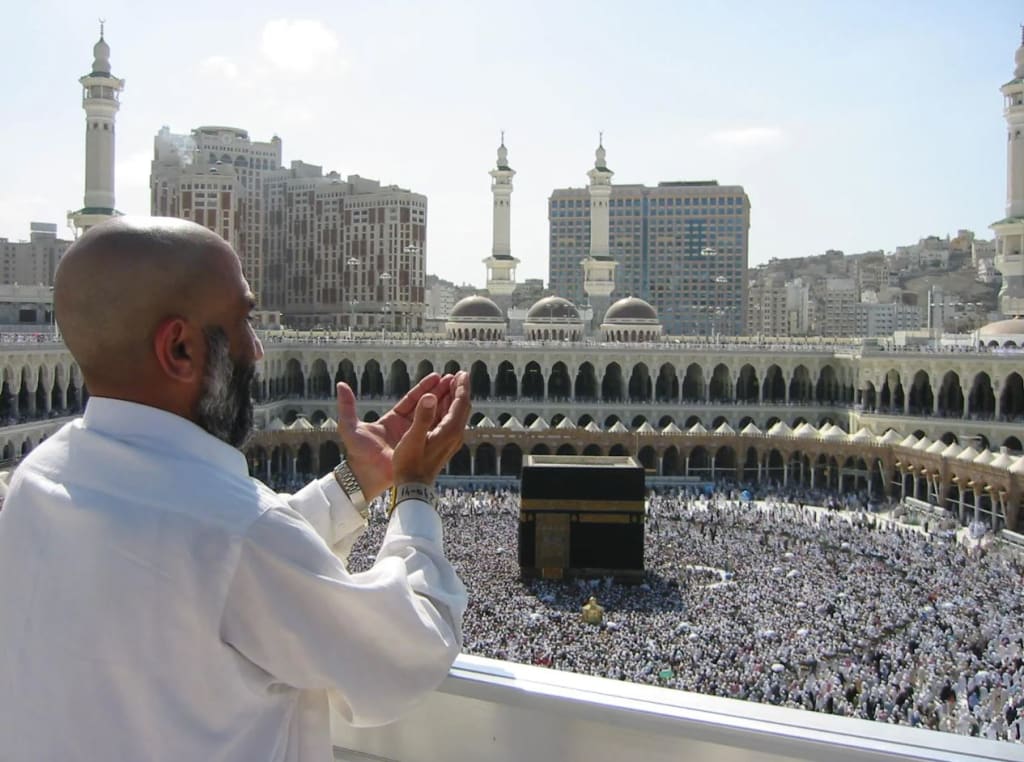
5. Hajj (Pilgrimage): Every Muslim who is physically and financially able must perform the pilgrimage to Mecca at least once in their lifetime. Hajj is a demonstration of the solidarity and equality of the Muslim community.
Ethical and Social Teachings
Islam places great emphasis on social justice, community welfare, and moral conduct. Key ethical principles include:
Justice and Fairness: Islam advocates for justice in all aspects of life, ensuring fairness and equality.
Compassion and Mercy: Muslims are encouraged to show compassion and mercy to all living beings.
Honesty and Integrity: Truthfulness and integrity are highly valued, with dishonesty being strongly condemned.
Modesty and Humility: Modesty in behavior and dress, along with humility before God, are important virtues.
Cultural and Global Influence
Islamic culture has significantly influenced art, science, philosophy, and literature. The Golden Age of Islam (8th to 14th centuries) saw remarkable advancements in various fields, including medicine, mathematics, astronomy, and architecture.
Conclusion
Islam is a rich and multifaceted religion that offers guidance on both spiritual and practical aspects of life. Its teachings emphasize the importance of faith, good conduct, and social responsibility, aiming to create a harmonious and just society. Understanding Islam requires an appreciation of its core beliefs, practices, and the profound impact it has had on the world.
About the Creator
Abdullah Rajon
Experienced content writer skilled in SEO optimization, research, and deadline-driven delivery. Let's create engaging content together!
Keep reading
More stories from Abdullah Rajon and writers in Education and other communities.
Writer of the Holy Quran
The Quran, the holy scripture of Islam, is believed by Muslims to be the literal word of God as revealed to the Prophet Muhammad (peace be upon him) through the angel Gabriel. The Quran's authorship, however, is fundamentally different from conventional human authorship.
By Abdullah Rajon2 years ago in Education
The Confidence Advantage: How Transparent Communication Builds Lasting Investor Trust
Investor relationships thrive on more than financial returns. While performance attracts attention, trust sustains commitment over time. In an environment shaped by rapid information flow and shifting market conditions, transparency has become one of the most powerful tools for building and maintaining investor confidence. When organizations communicate clearly and consistently, they strengthen relationships that endure well beyond short-term results.
By Michael Christopher Venturinoabout 11 hours ago in Education
Golf Handicap Reduction Without a Swing Overhaul: Smarter Ways to Play Better Golf
Lowering your handicap does not always require technical changes or hours on the range; it requires rebuilding your swing. Many golfers overlook the fact that scoring improvement often comes from strategic thinking, mental discipline, and better preparation. By focusing on how you play rather than how you swing, you can unlock consistent progress and enjoy the game more. This article explores practical, on-course methods that help you shoot lower scores while keeping your swing exactly as it is.
By Ian Schenkel Haliburtonabout 11 hours ago in Education



Comments
There are no comments for this story
Be the first to respond and start the conversation.