
Understanding Generative AI
The Future of Content Creation
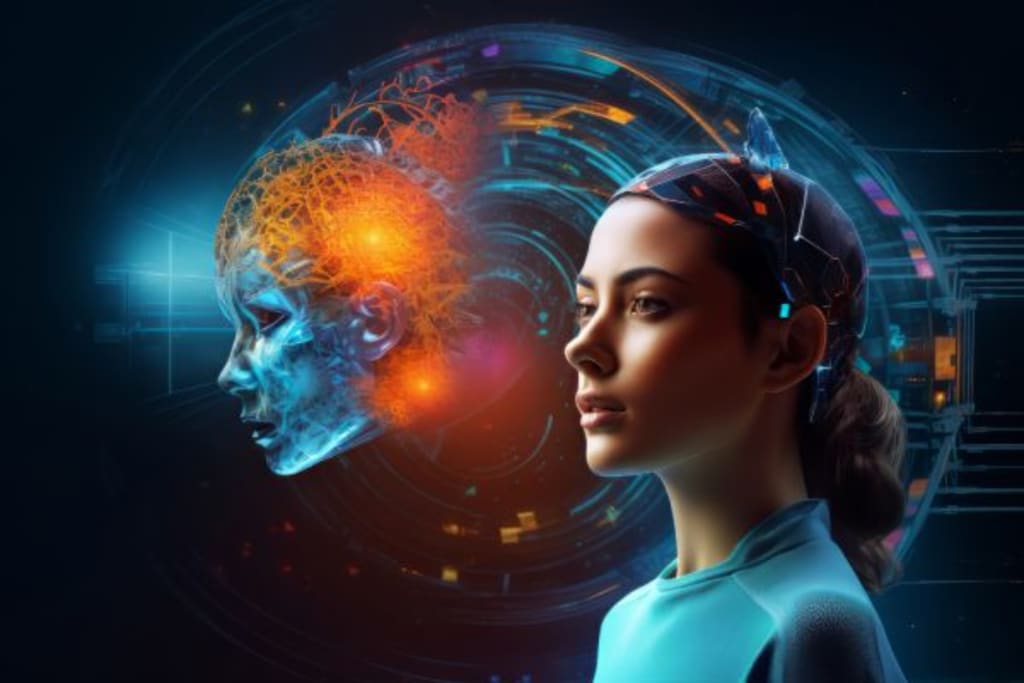
Generative AI is at the forefront of a technological revolution, reshaping the landscape of content creation across various domains. From generating realistic images and crafting compelling narratives to composing music and developing video games, this technology has made it possible to create new and original content that rivals, and sometimes even surpasses, human creativity. In this article, we explore what Generative AI is, its potential, and the ethical considerations that come with it—while adhering to Vocal’s guidelines to ensure responsible and high-quality content creation.
What is Generative AI?
Generative AI refers to a subset of artificial intelligence that can generate new data based on patterns learned from existing data. This technology is built upon advanced machine learning models, particularly neural networks, which can be trained on vast datasets to produce text, images, music, and more. One of the most well-known examples of Generative AI is OpenAI’s GPT (Generative Pre-trained Transformer), which can generate human-like text based on a given prompt.
The capability of Generative AI to produce content that closely mimics human output is both fascinating and transformative. Whether it’s writing articles, creating art, or even generating code, the applications of Generative AI are virtually limitless. However, as with any powerful tool, its use must be carefully managed to ensure ethical and responsible outcomes.
The Power of Generative AI in Content Creation
The ability of Generative AI to create content quickly and efficiently has significant implications for industries like journalism, marketing, entertainment, and more. For instance, in digital marketing, AI can generate personalized ad copy, design visuals, and even produce entire marketing campaigns tailored to specific audiences. In the entertainment industry, AI is being used to generate scripts, create realistic CGI characters, and compose music scores.
This technology also enables content creators to experiment with new forms of expression. For example, an artist might use an AI tool to generate new visual styles or remix existing artworks, leading to innovative creations that push the boundaries of traditional art. Similarly, writers can use AI to overcome writer’s block by generating ideas or even entire passages, which can then be edited and refined.
However, while the potential of Generative AI is vast, it is essential to use it in a way that respects ethical considerations and adheres to established guidelines, such as those outlined by Vocal.
Ethical Considerations and Compliance with Vocal Guidelines
As Generative AI continues to advance, ethical considerations become increasingly important. Vocal’s submission guidelines provide a clear framework for ensuring that AI-generated content is used responsibly. Below are some key ethical considerations aligned with these guidelines:
Transparency and Labeling: One of the primary guidelines set by Vocal is the requirement to label AI-generated content as such. Transparency is crucial in maintaining trust with your audience. When readers know that a piece of content was created or influenced by AI, they can engage with it in a more informed manner. This also helps distinguish between human-generated and AI-generated content, which is important for maintaining the integrity of creative works.
Respecting Intellectual Property: Another critical aspect of Generative AI is ensuring that the content produced does not infringe on existing intellectual property rights. When using AI to create content, it’s essential to either generate entirely original work or ensure that any derivative work is legally compliant. This includes not only text but also images, music, and other forms of media. Vocal’s guidelines emphasize the importance of respecting others' intellectual property, which aligns with broader ethical standards in content creation.
Quality Assurance: Vocal’s guidelines stress the importance of submitting high-quality content that is engaging and informative. While Generative AI can produce content quickly, it’s essential to review and refine this content to ensure it meets high standards of quality. AI-generated content should be well-structured, free from errors, and tailored to the needs of the target audience. By doing so, creators can ensure that their AI-generated work is both valuable and enjoyable for readers.
Avoiding Harmful Content: Generative AI models must be carefully trained and monitored to avoid generating harmful content. Vocal has a zero-tolerance policy towards content that includes nudity, violence, or hate speech. It’s crucial to ensure that AI tools are programmed to avoid producing such material, and that any content generated is thoroughly reviewed before publication. This not only protects the platform’s community but also upholds ethical standards in AI usage.
High-Quality Images and Media: When using AI to generate images or other media, it’s important to adhere to the guidelines of using high-quality, non-copyrighted visuals. AI-generated images should be free from watermarks, and creators should ensure they have the right to use these images. Tools like DALL-E can create stunning visuals, but they must be used responsibly to avoid any legal complications.
Conclusion
Generative AI represents a powerful tool in the modern content creator’s arsenal. Its ability to generate high-quality content across various mediums has the potential to transform industries and push the boundaries of creativity. However, with this power comes the responsibility to use AI ethically and transparently.
About the Creator
GenerativeAI masters
Generative AI Masters is one of the best place in Hyderabad for Generative AI training.
We offer hands-on training and internships on capstone projects in Generative AI, MLOPS, and other advanced AI topics.
Keep reading
More stories from writers in Education and other communities.
Why Books Still Matter in a World That Never Stops Scrolling
In a world where everything moves fast—notifications, reels, breaking news, endless scrolling—books feel almost rebellious. Sitting still. Turning pages. Giving your full attention to one story at a time. Yet despite all the noise of the digital age, books continue to survive, and more importantly, they continue to matter.
By Waqar Khanabout 23 hours ago in Education
How Digital Signage Improves Communication in Schools
Picture this: It's 7:45 AM, and students are flooding through the school entrance. Instead of clustered bulletin boards with overlapping flyers and outdated announcements, sleek digital displays showcase today's lunch menu, remind students about the basketball game, and celebrate yesterday's science fair winners. No one's squinting at faded paper or missing crucial information buried under last month's notices.
By Jerry Kane a day ago in Education
Trouble at the Tea Leafing Café
The rain had started right around the time that Annie was buttering her second thick slice of homemade toast for breakfast, and hadn’t paused since. Not that anyone could tell. The windows of the café were fogged over, and with every seat filled with happy customers munching on fresh baked pastries or steaming bowls of the delicious soup of the day, it was hardly surprising. Annie looked around the room, finally taking a moment to breathe after the lunch time rush. Her old life already felt like a bad memory, a part of her history, always, but just that. History.
By Hannah Moore6 days ago in Fiction



Comments
There are no comments for this story
Be the first to respond and start the conversation.