
Understanding Galaxy Clusters: The Cosmic Neighborhoods of the Universe
Across the vast expanse of the cosmos, galaxies are not isolated wanderers. Instead, they gather in massive groups known as galaxy clusters. These enormous structures reveal how galaxies interact, evolve, and trace the invisible presence of dark matter. In this article, we’ll explore what galaxy clusters are, how they form, the types that exist, and why they are essential for understanding the universe.

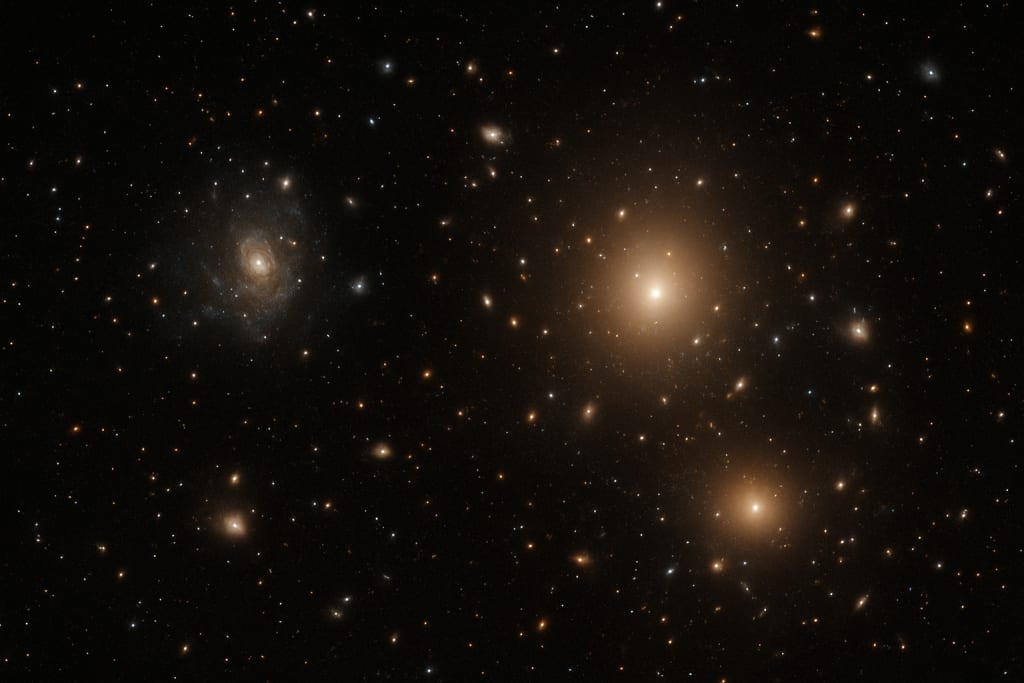
What Are Galaxy Clusters?
A galaxy cluster is a gravitationally bound collection of galaxies. These clusters can contain anywhere from a handful of galaxies to thousands packed into the same region of space. Because the galaxies are located so close together, clusters act as cosmic communities where interactions and transformations occur.
Galaxy clusters are crucial to modern astronomy because:
They help scientists study dark matter.
They reveal how galaxies form and evolve.
They trace the large-scale structure of the cosmic web.
How Do Galaxy Clusters Form?
The formation of galaxy clusters is a long and complex process that begins shortly after the Big Bang. Here’s how it happens:
1. The Cosmic Web
The universe is arranged like an enormous web made of dark matter filaments and gas. Galaxies form along these filaments, and the densest intersections eventually become cluster regions.
2. Early Density Fluctuations
In the early universe, tiny variations in density—caused by quantum fluctuations—began to grow under gravity. Dense regions attracted more matter, forming the seeds of future galaxies.
3. Galaxy Mergers and Interactions
As galaxies formed, gravity pulled them toward one another. Collisions and mergers between galaxies often created larger galaxies and triggered bursts of star formation.
4. Cluster Assembly
Over billions of years, galaxies gathered into larger groups. These groups slowly merged under gravity, creating the massive galaxy clusters we observe today.
Types of Galaxy Clusters
Galaxy clusters are often divided into two main categories:
1. Rich Clusters
Contain hundreds to thousands of galaxies
Extremely massive and dominated by dark matter
Include many giant elliptical galaxies and hot gas that emits X-rays
2. Poor Clusters
Contain fewer than 50 galaxies
Smaller and less dense
Often located on the outskirts of larger structures
Why Galaxy Clusters Matter
Galaxy clusters play an important role in unlocking the universe’s secrets. Here’s why they are so valuable:
1. Mapping Dark Matter
Dark matter cannot be seen, but its gravitational effects can.
By studying the motion of galaxies inside a cluster, astronomers estimate how much dark matter the cluster contains and how it is distributed.
2. Tracing Cosmic Evolution
Clusters act like cosmic time capsules. By studying their galaxies, scientists learn:
When galaxies formed
How they change over time
How environments affect galaxy growth
3. Understanding Cluster Dynamics
Interactions inside clusters—such as galaxy collisions or gas stripping—reveal the powerful forces shaping galaxies.
4. Cosmological Measurements
The number and distribution of galaxy clusters help astronomers study:
The rate of cosmic expansion
The effects of dark energy
The evolution of large-scale cosmic structure
How Astronomers Observe Galaxy Clusters
Scientists use several tools to study clusters across different wavelengths of light.
1. Optical Telescopes
Telescopes that observe visible light reveal the shapes, colors, and distances of galaxies inside clusters.
2. X-ray Observations
Many clusters contain hot gas heated to millions of degrees. This gas emits strong X-rays, allowing astronomers to measure:
The cluster’s total mass
The temperature of the intracluster gas
Shock waves caused by galaxy collisions
3. Gravitational Lensing
Massive clusters bend light from distant objects behind them.
This effect—called gravitational lensing—helps map the invisible dark matter inside the cluster.
Famous Galaxy Clusters
1. The Virgo Cluster
Located 54 million light-years away
Contains over 1,300 galaxies
Part of the Virgo Supercluster, which includes our Milky Way
2. The Coma Cluster
About 320 million light-years distant Contains more than 1,000 galaxies Known for its large number of giant elliptical galaxies
3. The Perseus Cluster
One of the most luminous X-ray clusters in the sky
Approximately 250 million light-years away
A key site for studying gas dynamics and dark matter
Conclusion
Galaxy clusters are some of the most impressive and informative structures in the universe. They reveal how galaxies interact, grow, and evolve over billions of years. They also provide crucial evidence for dark matter and dark energy—two of the biggest mysteries in modern cosmology.
As telescopes and space observatories become more advanced, astronomers will continue uncovering the secrets hidden inside these colossal cosmic neighborhoods. Galaxy clusters are more than collections of galaxies—they are essential building blocks that help us understand the grand structure and history of the universe
About the Creator
Keep reading
More stories from shahkar jalal and writers in Education and other communities.
The Formation of Planets: How Worlds Are Born in the Cosmos (universe)
How a Solar System Begins 1. The Birthplace: A Nebula Every solar system begins inside a nebula—a huge cloud of dust and gas left over from older stars. These clouds contain hydrogen, helium, and trace elements that will eventually become planets, moons, and even new stars.
By shahkar jalal2 months ago in Education
Why Great Customer Service Is Non-Negotiable for Modern Businesses
Excellent customer service is no longer something businesses can choose to offer later. It is a basic requirement in today’s fast-moving market. Customers expect respect, clear communication, and fast solutions. When they do not get these things, they leave. This is why excellent customer service is non-negotiable for businesses that want to survive and grow.
By Apex Service Partners6 days ago in Education
The Devil's Cut
“Comrade, finally you’re awake.” The voice was smooth, sensual. A flickering incandescent bar was all that lit the white, sterile room. All Vladimir remembered was everything going black. He tried to move his arms and found them strapped to the gurney.
By Matthew J. Fromm5 days ago in Fiction


Comments
There are no comments for this story
Be the first to respond and start the conversation.