
Ultimate Guide to Getting Your Student Visa USA in 2025: Requirements, Process & Tips for a Smooth Approval
Student Visa USA
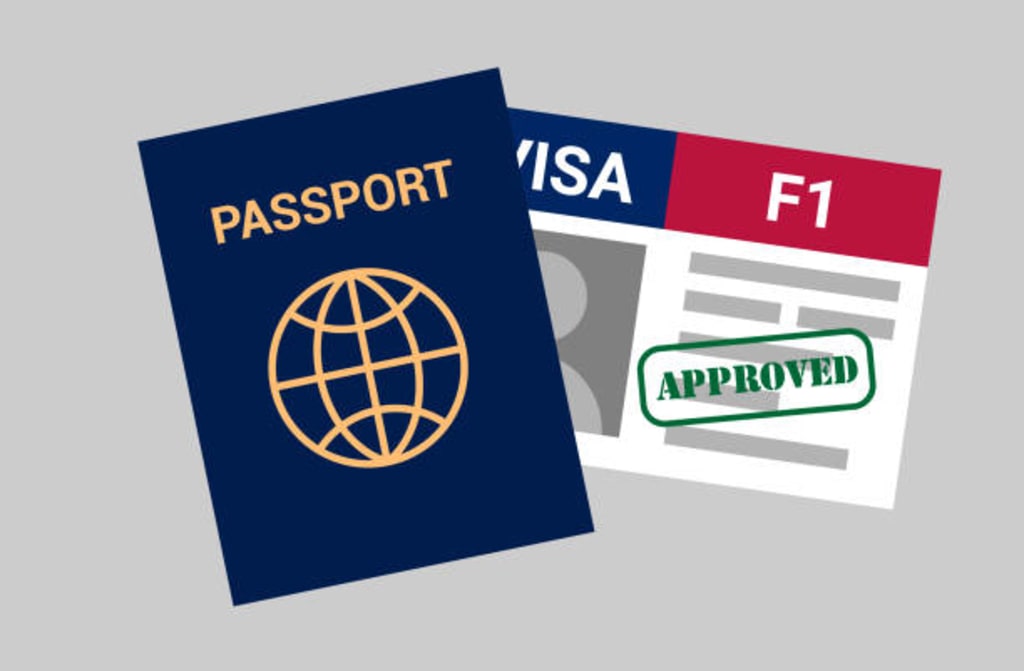
Planning to study in the United States in 2025? You're not alone. The USA continues to be a top destination for international students, thanks to its world-class education system, cutting-edge research facilities, and promising career opportunities. But before packing your bags, securing a student visa USA is a critical step in your journey.
This comprehensive guide covers everything you need to know about the student visa process in 2025 — from eligibility and documents to interview tips and post-visa planning.
Why Study in the USA?
Home to the top universities in USA like Harvard, MIT, Stanford, and UC Berkeley, the country attracts students from around the globe. Degrees from US institutions are recognized worldwide and are often a gateway to excellent career opportunities in USA, especially in STEM, business, and health sciences.
Types of Student Visas for the USA
The United States issues three main types of student visas:
F-1 Visa: For full-time students enrolled in an academic or language program.
M-1 Visa: For vocational or non-academic programs.
J-1 Visa: For exchange visitors, including scholars and interns.
For most international students aiming to study at a college or university, the F-1 visa is the most common.
Step-by-Step Process to Get a Student Visa USA in 2025
1. Get Accepted into a SEVP-Approved Institution
Your first step is getting admission into a SEVP-certified school. These are institutions approved by the U.S. government to host international students. Most top universities in USA fall under this category.
Once admitted, you'll receive Form I-20 from the school, which is essential for your visa application.
2. Pay the SEVIS Fee
Pay the SEVIS I-901 fee ($350 for F-1/M-1 visas) online. Keep the payment confirmation safe—you'll need it during your visa interview.
3. Complete the DS-160 Form
This is the Non-Immigrant Visa Application form, filled online via the U.S. Department of State website. Make sure your details match the information on your I-20.
4. Schedule Your Visa Interview
Visit the nearest U.S. Embassy or Consulate website to book your visa interview. Wait times may vary, so it's wise to book early—ideally 3–4 months before your course begins.
5. Pay the Visa Application Fee
The application fee for an F-1 visa is $185 (subject to change). This is non-refundable, even if your visa is denied.
6. Prepare for Your Interview
You’ll need the following documents:
Valid passport
Form I-20
DS-160 confirmation page
SEVIS payment receipt
Visa application fee receipt
Academic transcripts and standardized test scores (GRE, TOEFL, etc.)
Proof of financial support (bank statements, sponsor letters)
Admission letter from your university
7. Attend the Interview
The visa interview is critical. Consular officers want to know that:
You're a genuine student
You can financially support your education
You plan to return to your home country after graduation
Answer confidently and truthfully. Practice common questions like:
Why do you want to study in the USA?
Why did you choose this university?
What are your future career plans?
Common Reasons for Student Visa Denial
Incomplete documentation
Inability to demonstrate financial capability
Lack of strong ties to your home country
Vague or unconvincing answers during the interview
Make sure to review your documents multiple times and prepare thoroughly for the interview.
Post-Visa: What's Next?
Once approved, you can travel to the USA up to 30 days before your program start date. Make sure you carry all original documents in your carry-on baggage for immigration checks.
Career Opportunities in USA After Graduation
Many students choose the USA not only for education but also for the abundant career opportunities in USA. Programs in STEM (Science, Technology, Engineering, Math) allow for a 24-month OPT (Optional Practical Training) extension, giving graduates time to work in their field after finishing their degree.
Popular job sectors include:
Software Engineering
Data Science and AI
Healthcare and Biotechnology
Renewable Energy
Finance and Business Analytics
A degree from the top universities in USA often opens doors to internships, job placements, and even H-1B sponsorship.
Final Thoughts
Getting your student visa USA approved is a vital milestone in your academic journey. With the right preparation, documentation, and a clear sense of purpose, you can navigate the process smoothly and step confidently into the world of American education.
Whether you're heading to the Ivy League or a state university, the USA offers unmatched opportunities to grow academically, professionally, and personally. Start early, stay organized, and make your dream of studying in the United States a reality in 2025.
https://www.msmunify.com/study-in-usa/student-visa/
About the Creator
Keep reading
More stories from Ladalisiddiqui and writers in Education and other communities.
Top Courses to Study in USA for International Students in 2025: In-Demand Fields and Career Prospects
The United States continues to be one of the most popular destinations for international students seeking higher education. With world-renowned universities, cutting-edge research, and abundant career opportunities, the U.S. offers students a platform to excel. As we move towards 2025, it’s crucial to choose courses to study in USA that align with both personal interests and future career opportunities. Understanding which fields are in high demand can help guide your decision.
By Ladalisiddiqui9 months ago in Education
This is what happens in your brain when you can't recall and word
You’re sure you know your third grade teacher’s name— it’s like you’re hovering over it in your mind, but it just won’t materialize. Researchers call this tantalizing torment a “tip-of-the-tongue state,” and it's something everyone experiences. But what's actually happening when a word gets caught here? And how can you best get it unstuck? Most of the time, our brains seamlessly summon words from vast stores of knowledge, paring their meaning and sounds, and stringing them into sentences.
By Munesh Yadava day ago in Education


Comments
There are no comments for this story
Be the first to respond and start the conversation.