

There are several different types of graphic designers, each with their own specific area of focus. Some of the most common types include:
Print designers:
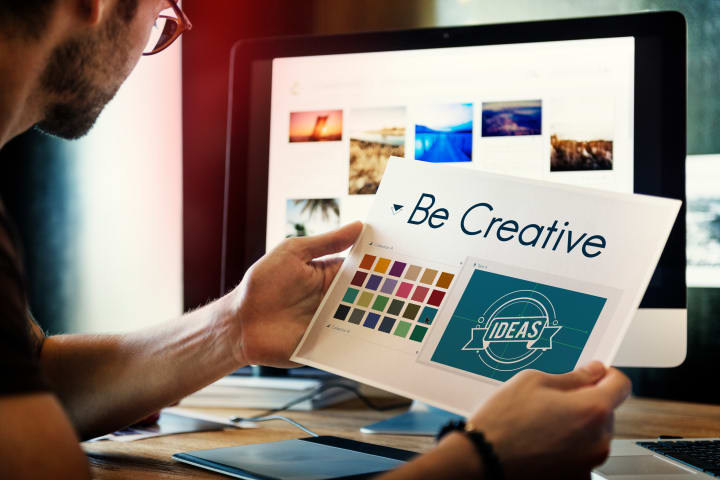
These designers create visual concepts for print materials such as brochures, magazines, and posters.
Print designers are graphic designers who specialize in creating visual concepts for print materials such as brochures, magazines, posters, and other print materials. They create designs that are both visually appealing and effective in communicating a message to the target audience. Print designers use a variety of design software, such as Adobe Illustrator, Photoshop, and InDesign, to create the final designs.
Some of the key responsibilities of print designers include:
- Researching the project, product and target audience to understand their needs and preferences
- Creating sketches and mockups of the design
- Selecting colors, images, and typography that will appeal to the target audience
- Using design software to create final designs
- Working with printers to ensure that the final product meets the desired quality standards
- Collaborating with copywriters, photographers and other designers to ensure that the final product meets the client's expectations.
Print designers typically work for design studios, advertising agencies, or in-house design departments, but some also work as freelancers. They must have a good understanding of print production techniques, materials and cost-effectiveness, as well as be up-to-date with the latest design trends and technologies.
Web designers:

These designers create visual concepts for websites, including layout, color, and imagery.
Web designers are graphic designers who specialize in creating visual concepts for websites, including layout, color, and imagery. They use a combination of design software such as Adobe Photoshop, Illustrator, and web development tools such as HTML, CSS, JavaScript to create websites that are visually appealing and user-friendly.
Some of the key responsibilities of web designers include:
- Understanding the client's needs and creating a design that meets their goals
- Creating wireframes and mockups of the website
- Designing the layout, color scheme, and typography of the website
- Using web development tools to create the final website
- Optimizing the website for search engines
- Making sure the website is responsive and compatible with different devices and browsers
- Collaborating with developers to ensure that the website is functional and meets the client's needs
- Continuously testing and maintaining the website to ensure it works well and is up-to-date with the latest trends and technologies.
Web designers typically work for web design and development agencies, in-house design departments, or as freelancers. As the web is constantly evolving, web designers need to keep up-to-date with the latest design trends and technologies, such as responsive design, mobile-first design and web accessibility
Motion graphic designers:
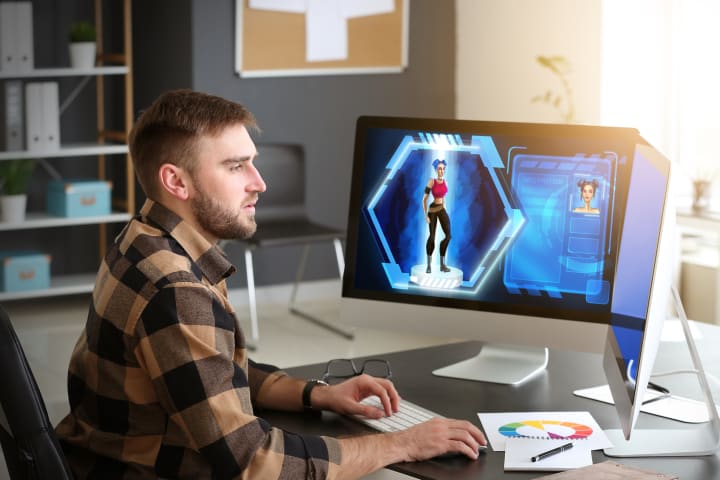
These designers create animated graphics and video content for TV, film, and the web.
Motion graphic designers are graphic designers who specialize in creating animated graphics and video content for TV, film, and the web. They use a combination of design software such as Adobe After Effects, Photoshop, Illustrator and video editing software such as Adobe Premiere, Final Cut Pro to create visually stunning and engaging animated graphics and videos.
Some of the key responsibilities of motion graphic designers include:
- Understanding the client's needs and creating a design that meets their goals
- Creating storyboards, animatics and compositing elements
- Designing the layout, color scheme, typography, and animation of the graphics and videos
- Using animation and compositing software to create the final animation
- Adding sound and special effects to enhance the overall experience
- Collaborating with other designers, animators and video editors to ensure the final product meets the client's needs
- Continuously testing and refining the animation to ensure it meets the desired quality standards.
Motion graphic designers typically work for animation studios, post-production houses, advertising agencies, or in-house design departments, but some also work as freelancers. They must have a good understanding of animation principles, motion graphics techniques, and be proficient in various software and technologies, such as 2D and 3D animation, compositing and special effects.
Branding and identity designers:
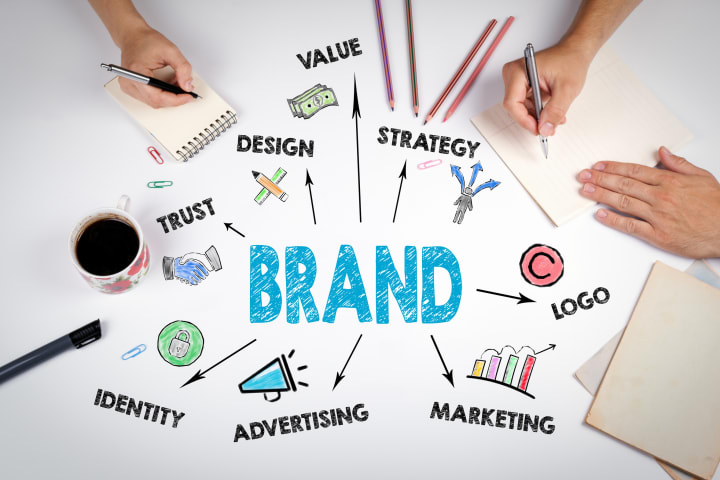
These designers create visual identities for companies and organizations, including logos, typography, and color schemes.
Branding and identity designers, also known as brand designers, are graphic designers who specialize in creating visual identities for companies and organizations, including logos, typography, and color schemes. They work closely with the marketing and branding teams to create a consistent visual representation of the brand that resonates with the target audience and differentiates the brand from its competitors.
Some of the key responsibilities of branding and identity designers include:
- Researching the company and its target audience to understand their needs and preferences
- Creating sketches and mockups of the branding and identity concepts
- Designing logos, typography and color schemes that align with the brand's overall strategy
- Using design software such as Adobe Illustrator and Photoshop to create final designs
- Collaborating with copywriters, marketers, and other designers to ensure that the branding and identity aligns with the overall marketing strategy
- Creating brand guidelines to ensure consistency across all brand materials
- Continuously monitoring the brand's performance and making changes as needed
Branding and identity designers typically work for branding agencies, design studios, in-house design departments, or as freelancers. They must have a good understanding of branding and marketing principles and be able to create visually compelling and effective branding solutions that effectively communicate the brand's message and values.
User interface (UI) and user experience (UX) designers:

These designers create the overall layout and design for software and mobile applications, with a focus on creating intuitive and user-friendly interfaces.
User Interface (UI) and User Experience (UX) designers are professionals who specialize in creating the overall layout and design for software and mobile applications, with a focus on creating intuitive and user-friendly interfaces. They work closely together to create designs that are not only visually appealing but also easy to use and understand for the end-user.
Some of the key responsibilities of UI/UX designers include:
- Researching and understanding the target audience and their needs
- Creating wireframes, mockups, and prototypes of the interface design
- Designing the layout, color scheme, typography, and overall visual appearance of the interface
- Conducting user research and testing to gather feedback on the design
- Collaborating with developers and stakeholders to ensure that the design is functional and meets the client's needs
- Continuously monitoring the design's performance and making changes as needed
UI/UX designers typically work for software development companies, in-house design departments, or as freelancers. They need to have a good understanding of human-computer interaction principles, design principles, and user research methodologies, as well as be proficient in various design and prototyping tools, such as Sketch, Adobe XD, Figma, InVision, etc.
Package designers:

These designers create the visual concepts for product packaging, including layout, typography, and imagery.
Package designers, also known as packaging designers, are graphic designers who specialize in creating visual concepts for product packaging. They work with a variety of materials, including paper, plastic, and metal, to create packaging that is both functional and visually appealing. Package designers are responsible for designing the overall layout, typography, and imagery for product packaging, and they work closely with manufacturers and marketers to ensure that the packaging meets the needs of both the product and the target audience.
Some of the key responsibilities of package designers include:
- Researching the product and the target audience to understand their needs and preferences
- Creating sketches and mockups of the packaging design
- Selecting colors, images, and typography that will appeal to the target audience
- Using computer software, such as Adobe Illustrator or Photoshop, to create final designs
- Collaborating with manufacturers to ensure that the packaging is functional and cost-effective
- Working with marketing teams to ensure that the packaging design aligns with the brand's overall marketing strategy
Package designers often work for packaging companies, design studios, or advertising agencies, but some also work as freelancers. It's a field with a lot of opportunities, especially with the rise of e-commerce and the need for creative and effective packaging solutions.
Advertising designers: These designers create visual concepts for advertising campaigns, including print ads, billboards, and online ads.
Advertising designers are graphic designers who specialize in creating visual concepts for advertising campaigns, including print ads, billboards, and online ads. They work closely with the advertising and marketing teams to create designs that are visually appealing and effective in communicating the message to the target audience.
Some of the key responsibilities of advertising designers include:
- Researching the product, target audience and the campaign's objectives
- Creating sketches and mockups of the ad design
- Designing the layout, color scheme, typography, and imagery of the ad
- Using design software such as Adobe Illustrator and Photoshop to create final designs
- Collaborating with copywriters, photographers, and other designers to ensure that the ad aligns with the overall marketing strategy
- Continuously monitoring the ad's performance and making changes as needed
Advertising designers typically work for advertising agencies, design studios, in-house design departments, or as freelancers. They must have a good understanding of advertising principles, design trends, and production techniques, as well as be proficient in various design software and technologies. They also need to be able to create visually compelling and effective advertising designs that effectively communicate the message and persuade the target audience.
Environmental designers: These designers create visual concepts for interior and exterior spaces, including retail stores, public spaces, and trade show booths.
Environmental designers, also known as spatial designers, are graphic designers who specialize in creating visual concepts for interior and exterior spaces, including retail stores, public spaces, and trade show booths. They design the overall layout, color scheme, and imagery of the space to create a visually appealing and functional environment that aligns with the client's goals and branding.
Some of the key responsibilities of environmental designers include:
- Researching the space and understanding the client's needs and goals
- Creating sketches and mockups of the design concept
- Designing the layout, color scheme, typography, and imagery of the space
- Using design software such as AutoCAD, SketchUp, and Rhino to create final designs
- Collaborating with architects, engineers, and other designers to ensure that the design is functional and meets the client's needs
- Continuously monitoring the design's performance and making changes as needed
Environmental designers typically work for architectural firms, design studios, or in-house design departments, but some also work as freelancers. They must have a good understanding of design principles, space planning, and construction techniques, as well as be proficient in various design software and technologies. They also need to be able to create visually compelling and functional designs that align with the client's goals and branding while being aware of the environmental impact of the design.
These are some of the common types of graphic designers, but there are other fields like information design, experiential design, and many more.
About the Creator
Keep reading
More stories from writers in Education and other communities.
How Early Hustle Jobs Build Real Mental Toughness for Life
Early hustle jobs—like babysitting, mowing lawns, stocking shelves, or working the drive-thru—might seem small on paper, but they often shape big psychological strengths. These first experiences with responsibility, pressure, and real-world expectations can build mental toughness in ways school alone usually can’t.
By David Lipan5 days ago in Education
The Path to Salvation
The late autumn evening air filled the monk's lungs, but it wasn't the season that chilled his bones. The heavy-handed presence of evil he had sensed upon entering the woods surrounding this mountain village had not bothered to conceal itself from him.
By Made in DNA3 days ago in Fiction




Comments
There are no comments for this story
Be the first to respond and start the conversation.