
Triggering Excellence: The Modern World of Sport Shooting and Firearms
Sport shooting has emerged as one of the most precise, disciplined, and technically challenging competitive pursuits in the modern world

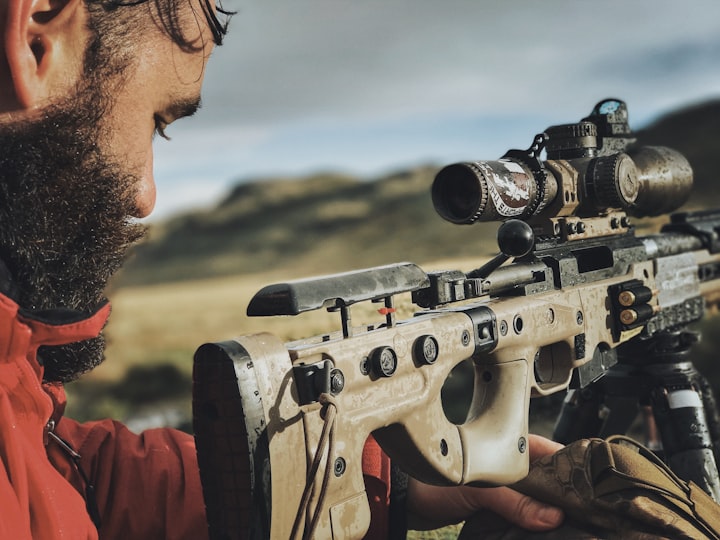
Sport shooting has emerged as one of the most precise, disciplined, and technically challenging competitive pursuits in the modern world. From humble beginnings as a practical skill for hunting and self-defense, shooting has developed into a structured sport that emphasizes mental focus, physical control, and advanced equipment. Participants engage in a variety of disciplines, including rifle, pistol, and shotgun events, each requiring unique skills and strategies. Over the years, technological innovation, international competitions, and a growing culture of safety and ethics have shaped sport shooting into a globally respected activity that blends tradition with modern performance.
The appeal of sport shooting lies in the combination of skill, strategy, and concentration. Unlike many physical sports that prioritize speed or brute strength, shooting requires precision, consistency, and fine motor control. Competitors must manage breathing, posture, and trigger control while maintaining focus under the pressure of competition. This demand for accuracy and mental clarity draws both casual enthusiasts and elite athletes, creating a diverse community dedicated to mastering the art of the sport. Modern equipment and training methods have also contributed to the growing popularity of shooting, making it a dynamic and evolving discipline.
Historical Foundations and Early Competitions
Sport shooting’s origins are deeply rooted in practical firearm use. Early competitions emerged from hunting practices and military exercises, testing participants’ accuracy, control, and decision-making under pressure. Communities often organized contests to measure skill, foster camaraderie, and promote proficiency with firearms. These early events laid the groundwork for the sport, highlighting the importance of precision, discipline, and ethical conduct. Over time, shooting shifted from purely functional activities to organized competitions with codified rules and structured events.
The establishment of shooting clubs and associations played a pivotal role in formalizing the sport. These organizations introduced safety regulations, standardized competition formats, and coaching methods that remain influential today. By creating structured environments, early clubs encouraged both skill development and responsible firearm use. They also fostered a culture of community engagement, where individuals could share knowledge, compete fairly, and cultivate a passion for precision. The combination of structure, safety, and mentorship provided a foundation for the sport’s long-term growth.
Technological Innovation and Firearm Development
Modern sport shooting owes much of its evolution to technological advancements in firearms and equipment. Innovations in barrel design, stock ergonomics, and sighting systems have enhanced accuracy and reliability. Adjustable grips, recoil management systems, and precision optics allow athletes to tailor their equipment to individual preferences, maximizing performance. These technological improvements have elevated the standards of competition, enabling athletes to reach levels of accuracy and consistency previously unattainable.
Advancements in ammunition, target systems, and electronic scoring have also transformed the sport. Precision rounds and responsive targets provide real-time feedback, helping athletes refine technique and monitor performance. These technologies not only enhance competitive experiences but also improve training efficiency. Modern shooters can track subtle errors, adjust their stance and aim, and develop advanced strategies to improve results. By integrating technology with skill, sport shooting continues to evolve as both a challenging and accessible discipline.
Competitive Disciplines and Specialized Training
Sport shooting encompasses a variety of disciplines, each requiring specific skills and mental focus. Pistol events emphasize rapid-fire accuracy and fine motor control, requiring competitors to balance speed and precision. Rifle events focus on long-range consistency, challenging athletes to control breathing, posture, and trigger movement for optimal accuracy. Shotgun events test reflexes and hand-eye coordination, particularly in clay target competitions where timing and tracking are critical. Each discipline demonstrates the breadth and complexity of shooting, highlighting the diverse skill sets that athletes develop.
Training and preparation are central to competitive success. Shooters engage in deliberate practice to hone posture, grip, trigger control, and alignment. Mental conditioning is equally important, as maintaining focus under pressure can determine success or failure. Coaches and mentors provide guidance, integrating technical, tactical, and psychological elements of performance. Mastery in sport shooting emerges from this holistic approach, combining physical precision, equipment knowledge, and mental fortitude to achieve consistently high performance.
Safety, Responsibility, and Ethical Standards
Safety remains the foundation of sport shooting. Proper firearm handling, storage, and maintenance are essential to prevent accidents and ensure responsible participation. Training programs emphasize protocols for handling firearms in various settings, creating a culture of discipline and accountability. These safety measures are critical for both newcomers and seasoned athletes, underscoring the importance of respecting equipment and the surrounding environment.
Ethical conduct is equally significant in sport shooting. Competitors are expected to follow rules, demonstrate sportsmanship, and respect other participants. Fair play ensures the integrity of competitions and cultivates trust within the shooting community. Ethical standards also extend to responsible firearm use in daily life, reinforcing a broader culture of accountability. By combining safety and ethics, sport shooting creates an environment where technical mastery and responsible behavior coexist, enhancing the sport’s appeal and credibility.
International Competitions and Global Influence
Sport shooting has achieved worldwide recognition through international competitions, including the Olympics, World Championships, and continental tournaments. These events showcase elite athletes and provide a platform for nations to demonstrate excellence, strategy, and skill. International competitions foster cross-cultural exchange, allowing athletes to learn from diverse techniques, training methods, and approaches to the sport. Global exposure has contributed to increased participation and interest, expanding the sport’s influence across continents.
High-profile events also illustrate the evolving nature of sport shooting. Rules, equipment standards, and competition formats continue to adapt in response to technological advancements and changing societal attitudes toward firearms. Competitors must navigate these developments while maintaining focus on precision and performance. The combination of global competition, evolving standards, and exposure to international audiences has strengthened sport shooting’s reputation and motivated athletes to pursue ever-higher levels of excellence.
Technological Integration in Training and Performance
Training in modern sport shooting has embraced technological innovation, enhancing both performance and accessibility. Electronic scoring, high-speed cameras, and laser-based simulators provide immediate feedback, allowing athletes to refine posture, aim, and technique efficiently. These tools accelerate skill development and reduce the need for extensive physical resources, making training more effective and versatile. By incorporating technology into practice, shooters can achieve higher precision and improve consistency across competitions.
Digital platforms and virtual training environments have further expanded the sport’s reach. Athletes can practice remotely, review performance data, and access expert coaching without geographic constraints. These innovations encourage broader participation while maintaining high training standards. Technology ensures that sport shooting remains dynamic, combining traditional skill development with modern efficiency to appeal to both seasoned athletes and new enthusiasts.
About the Creator
Matthew Pothoff
Matthew Pothoff, a resident of Dubuque County, is a man who has built a life that blends his passion for sports, commitment to work, and interest in history.
Portfolio: https://mattpothoff.com & https://matthewpothoff.com/
Keep reading
More stories from Matthew Pothoff and writers in Education and other communities.
Sharpshooters’ Edge: The Modern Evolution of Sport Shooting
Sport shooting has transformed dramatically over the years, moving from a historical pastime into a highly competitive and skill-focused discipline. Today, it is not simply about firing a firearm; it is about precision, control, and mastery under pressure. The modern shooting environment emphasizes technique, mental focus, and safe handling of weapons, making it a respected athletic pursuit in the United States and around the globe. Competitive shooters are constantly refining their skills, aiming for consistency and accuracy in every shot, which makes the sport both challenging and rewarding.
By Matthew Pothoff2 months ago in Education
Professional Skills That Separate Good Consultants from Great Ones
Consulting is a competitive field where expertise alone is no longer enough to stand out. While many consultants possess strong technical knowledge and industry experience, only a select group consistently delivers transformative results for their clients. What separates good consultants from great ones is the ability to combine analytical strength with exceptional communication, leadership, adaptability, and emotional intelligence to accelerate sustainable business growth.
By Nicole Metz5 days ago in Education
Unlocking Growth Through The Benefits of Hiring an External Perspective
Businesses often become deeply focused on daily tasks and internal routines. Over time, this focus can limit creativity and slow improvement. This is why many leaders explore the benefits of hiring an external perspective when facing complex decisions. An outside view brings clarity that internal teams may miss. Employees work closely with systems and may not notice hidden gaps. An external expert sees patterns without emotional attachment. Fresh insight can quickly highlight strengths and weaknesses. Clear feedback helps organizations move forward with confidence. Outside support also reduces internal bias. Leaders gain honest opinions that challenge old habits. Structured evaluation improves planning and results. When businesses open the door to outside insight, they often discover new opportunities for growth and stability.
By Nicole Metzabout 11 hours ago in Education
Staying sane in the insane world.
”It is no measure of health to be well adjusted to a profoundly sick society.” Jiddu Krishnamurti This quote has been one of my favourites since the moment I first laid my eyes on it. To me, it cuts right through the fog of the illusion of normality that permeates our lives. And since I am someone who has never felt (well) adjusted to this society, Krishnamurti’s words gifted me with the realisation that there isn’t anything inherently wrong with me.
By Eva Smitteabout 17 hours ago in Humans



Comments
There are no comments for this story
Be the first to respond and start the conversation.