
Treatment of kidney stones
How to get rid of kidney stone
*Treatment of Kidney Stones: A Comprehensive Guide*
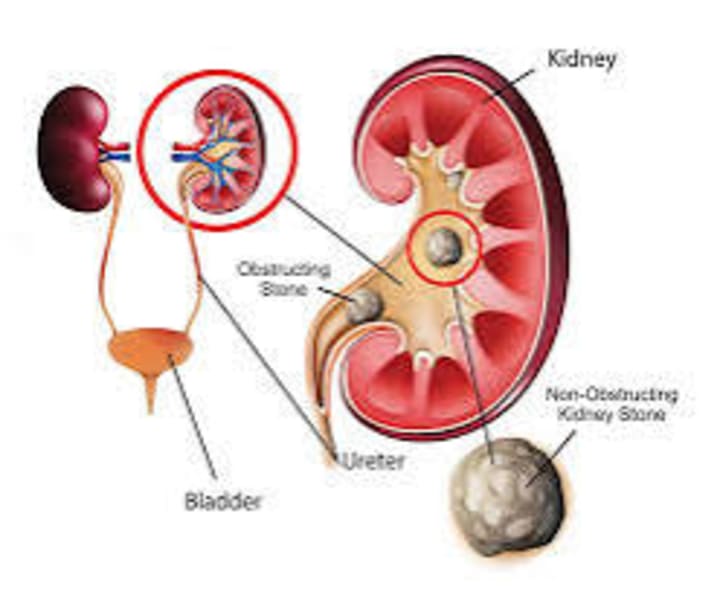
Kidney stones are a common and painful condition that affects millions of people worldwide. The treatment of kidney stones depends on the size, location, and type of stone, as well as the individual's overall health. In this article, we will discuss the various treatment options available for kidney stones.
*Small Stones (Less than 5 mm)*
Small stones can often be treated with conservative management, which includes:
1. *Pain management*: Over-the-counter pain medications such as ibuprofen or acetaminophen can help alleviate symptoms.
2. *Hydration*: Drinking plenty of water to help flush out the stone.
3. *Medical expulsive therapy*: Medications such as alpha-blockers can help relax the muscles in the ureter and improve urine flow.
*Medium-Sized Stones (5-10 mm)*

Medium-sized stones may require more invasive treatment, including:
1. *Extracorporeal shock wave lithotripsy (ESWL)*: A non-invasive procedure that uses shock waves to break up the stone into smaller pieces that can be passed out of the body.
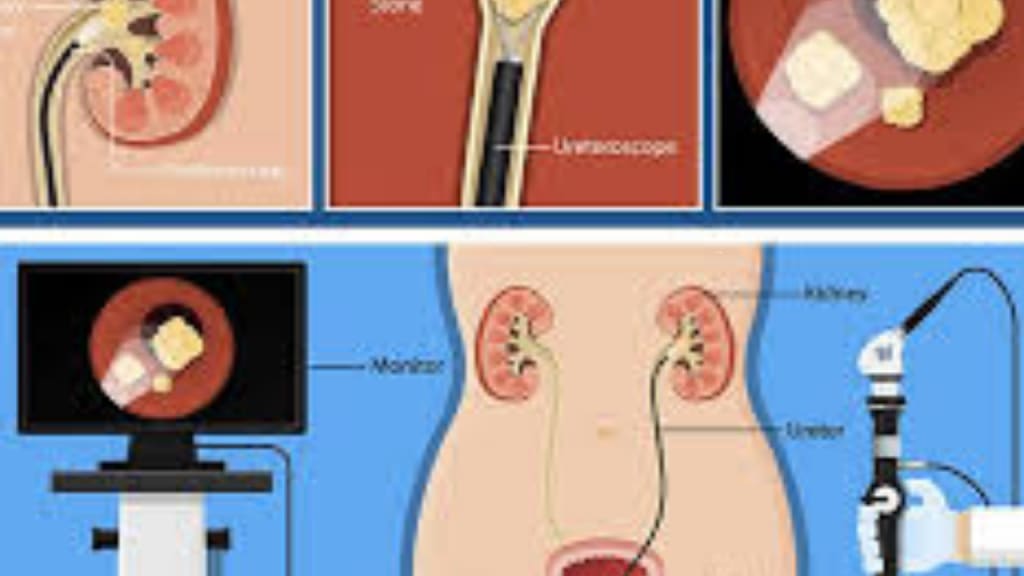
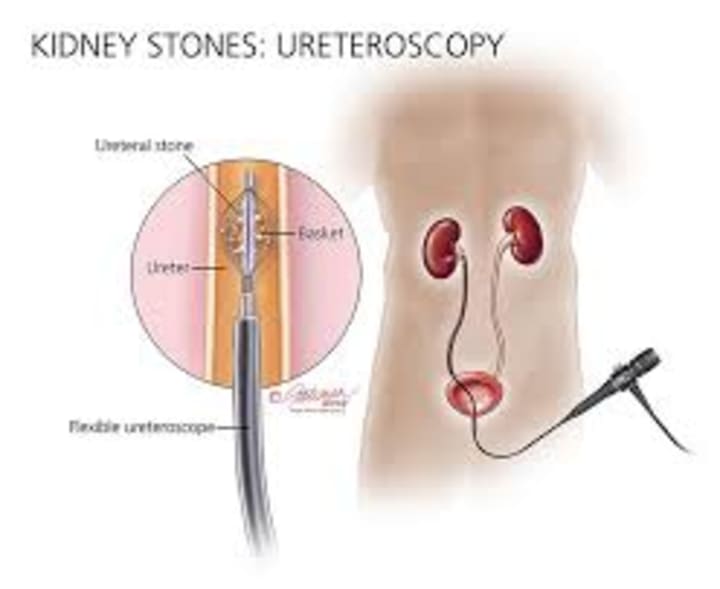
2. *Ureteroscopy*: A minimally invasive procedure where a small scope is inserted through the urethra and bladder to remove the stone.
*Large Stones (Greater than 10 mm)*

Large stones often require more extensive treatment, including:
1. *Percutaneous nephrolithotomy (PCNL)*: A minimally invasive procedure where a small incision is made in the back to insert a scope and remove the stone.
2. *Open surgery*: In some cases, open surgery may be necessary to remove the stone.
*Other Treatment Options*
1. *Laser lithotripsy*: A minimally invasive procedure that uses a laser to break up the stone.
2. *Basket extraction*: A minimally invasive procedure where a small basket is inserted through the urethra and bladder to remove the stone.
3. *Medical treatment*: In some cases, medications such as potassium citrate or sodium bicarbonate may be prescribed to help prevent the formation of future stones.
*Prevention*

Preventing kidney stones from forming in the first place is key. Here are some tips:
1. *Stay hydrated*: Drink plenty of water to help flush out minerals and salts.
2. *Eat a balanced diet*: Avoid foods high in oxalate, sodium, and animal protein.
3. *Limit salt intake*: Excessive salt consumption can increase the risk of kidney stone formation.
4. *Get enough calcium*: Calcium can help reduce the risk of kidney stone formation.
In conclusion, the treatment of kidney stones depends on the size, location, and type of stone, as well as the individual's overall health. By understanding the various treatment options available, individuals can make informed decisions about their care and take steps to prevent future stone formation.
Prevent kidney stone from kitchen:
If you seriously worried obout your kidney to save from stones , and do not want to take medicine for a long time .And if believe drugs can make some rection and on the left hand its can cause to accure another problem you can have to get started with a natural ingrdients .
Natural Treatment

Take a glass of water put 2-3 lemon juice
Two spoon honey,and 1 spoon olive oil ,Apple winiger 1 spoon .
Well diloute these ingridients and drink this water thrice a day .it could help to prvent the stones...
If you want get rid of kideny stones ,what you eat and drink is an important as you should not eat and drink .here is
some important rules of thumb to keep in mind.
Stay hydrated
Fluids, especially water, help to dilute the chemicals that form
stones. Try to drink at least 12 glasses of water a day.
Up your citrus intake
Citrus fruit, and their juice, can help reduce or block the
formation of stones due to naturally occurring citrate. Good
sources of citrus include lemons, oranges, and grapefruit.
Eat lots of calcium (and vitamin D)
If your calcium intake is low, oxalate levels may rise. It’s
preferable to get your calcium from food, rather than from
supplements, as these have been linked to kidney stone
formation. Good sources of calcium include milk, yogurt,
cottage cheese, and other types of cheeses. Vegetarian
sources of calcium include legumes, calcium-set tofu, dark
green vegetables, seeds, and blackstrap molasses. If you
don’t like the taste of cow’s milk, or, if it doesn’t agree with
you, try lactose-free milk, fortified soy milk, or goat’s milk.
Also make sure to include foods high in vitamin D each day.
Vitamin D helps the body absorb more calcium. Many foods
are fortified with this vitamin. It’s also found in fatty fishes,
such as salmon, mushrooms, and cheese.
About the Creator
Keep reading
More stories from writers in Education and other communities.
ISO 9001 in Abu Dhabi: What Auditors Check Most Often (Simple Checklist)
If your business is based in Abu Dhabi, an ISO 9001 audit can feel stressful for one simple reason, it’s not only about “having a system.” It’s about proving that your system is working in real daily operations.
By Umar Quality Jounal4 days ago in Education
Affection and Healing for Yourself
During the night of the last quarter moon, I gathered my ritual supplies. I carefully handled the chunk of black tourmaline that would protect me from your overall negative and narcissistic energy. I carefully walked the house with my stick of selenite in hand, asking the universe to cleanse our working space.
By Alisha Wilkins ✒️🦋🖋️7 days ago in Fiction




Comments
There are no comments for this story
Be the first to respond and start the conversation.